Kurdistan Marks 123rd Anniversary of Mulla Mustafa Barzani’s Birth
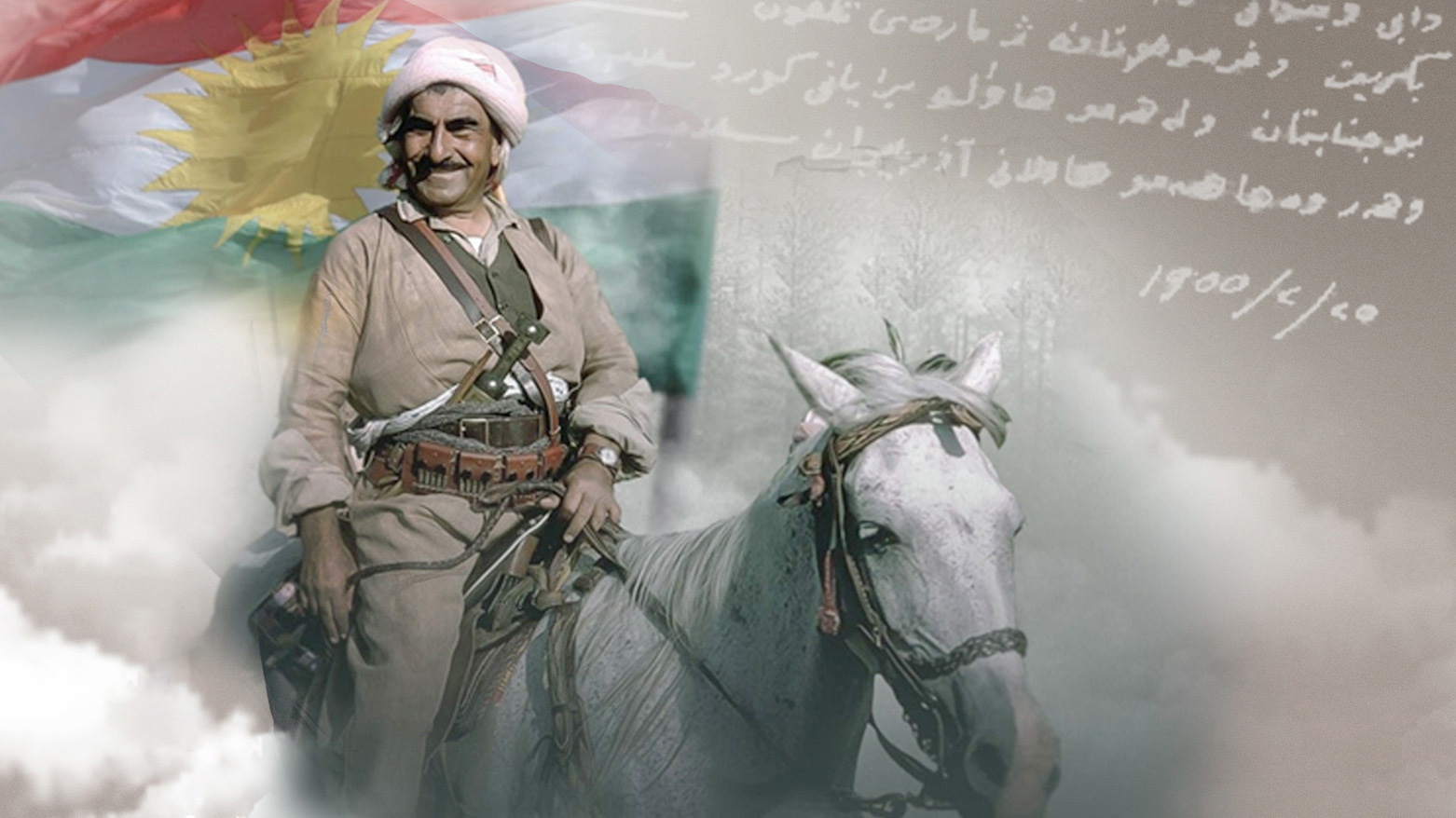
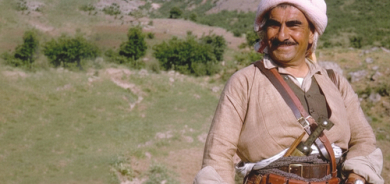
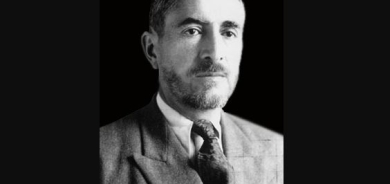
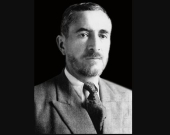
The Kurdistan Region on Saturday commemorated the 123rd anniversary of the birth of Mulla Mustafa Barzani, honoring one of the most prominent figures in modern Kurdish history and a central leader of the Kurdish national movement.
Barzani was born on March 14, 1903, in the village of Barzan, into a family known for its religious and political influence. Over the course of his life, he became a defining figure in the Kurdish struggle for political rights and autonomy, leading several uprisings and shaping the modern Kurdish liberation movement.
Barzani was the son of Sheikh Mohammad Barzani, a respected figure in the Barzan region. His early years were marked by hardship and political repression. Historical accounts note that when he was only three years old, he and his mother, Khadija Khan, were imprisoned in Mosul, an experience that exposed him to the realities of conflict and displacement at a young age.
These formative experiences would later shape Barzani’s character and commitment to Kurdish national aspirations.
Barzani gained international prominence during the establishment of the Republic of Kurdistan in Mahabad in 1946. During the short-lived republic, he was appointed General and Commander of the Peshmerga forces, playing a crucial role in organizing and defending the Kurdish state.
Although the republic collapsed within a year, Barzani’s leadership during this period left a lasting imprint on Kurdish political and military organization.
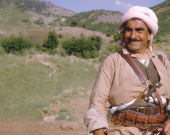
Following the fall of the Mahabad Republic, Barzani led approximately 500 Peshmerga fighters on a remarkable strategic retreat across the Aras River, navigating hostile territories in Iran, Iraq, and Türkiye before reaching the Soviet Union.
Historians often cite this maneuver as an extraordinary example of endurance and leadership under difficult circumstances. Barzani remained in exile in the Soviet Union for more than a decade.
Barzani returned to Iraq in 1958 and soon resumed leadership of the Kurdish national movement. In 1961, he launched the Great September Revolution, a major uprising against the Iraqi government in response to political marginalization and the failure to grant Kurdish autonomy.
The revolution lasted for years and became the largest Kurdish uprising of its time. It brought together diverse communities in the region, including Muslims, Christians, Yezidis, Turkmens, and Arabs.
Years of struggle eventually led to the March 11, 1970 Autonomy Accord, which recognized Kurdish cultural and linguistic rights and promised regional autonomy within Iraq.
While implementation of the agreement faced difficulties, it marked a historic milestone in the Kurdish political movement.
Barzani was widely regarded not only as a military commander but also as a political leader who emphasized coexistence and respect for humanitarian principles.
Under his leadership, Peshmerga forces were instructed to protect civilians and treat prisoners of war humanely. These principles helped shape the ethical framework of the Kurdish liberation struggle.
After more than five decades devoted to the Kurdish cause, Barzani died on March 1, 1979, in the United States following an illness. His remains were later returned to the Kurdistan Region after the 1991 Kurdish Uprising and buried in Barzan, his birthplace.
Today, Barzani’s legacy continues to influence Kurdish politics. Kurdish leaders, including Masoud Barzani, frequently invoke his principles in discussions about governance, coexistence, and the future of the Kurdistan Region.
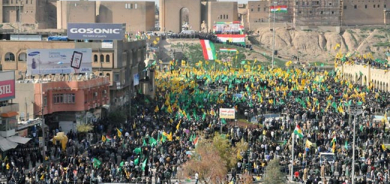
Across the Kurdistan Region, Saturday’s anniversary was marked by ceremonies, public gatherings, and official statements remembering Barzani’s role in shaping the Kurdish national movement.
More than a century after his birth, Mulla Mustafa Barzani remains one of the most enduring and influential figures in Kurdish history, symbolizing decades of struggle, resilience, and the pursuit of national rights.