Masrour Barzani Says Gulan Revolution Proved Kurdish National Will Could Not Be Defeated
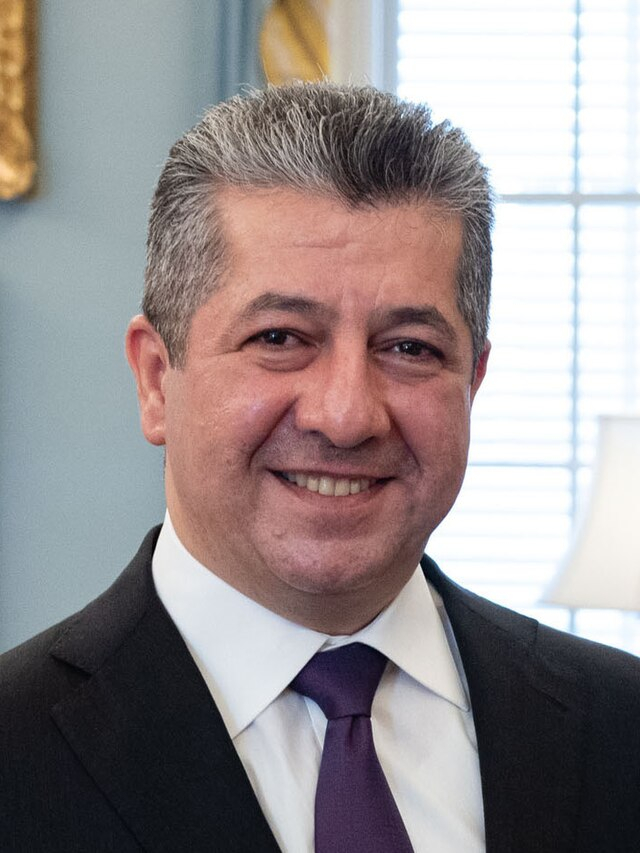
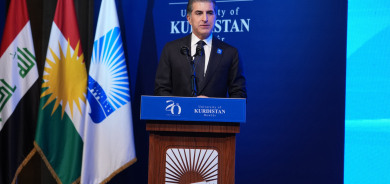
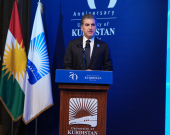
ERBIL, Kurdistan Region — Marking the 50th anniversary of the Gulan Revolution, Masrour Barzani said on Tuesday that the 1976 uprising demonstrated the resilience of the Kurdish people and proved that national determination remained stronger than external conspiracies and political pressure.
In a statement released on the golden jubilee of the revolution, Barzani described the Gulan Revolution as a turning point in modern Kurdish history, saying it revived the Kurdish liberation movement following the collapse of the Great September (Eylul) Revolution in 1975.
“The revolution crushed the plots of enemies and ill-wishers,” Barzani stated, adding that despite the difficult circumstances of the time, Kurdish fighters resumed their struggle and defense of “the legitimate rights of the people of Kurdistan with high morale.”
The Gulan Revolution was launched on May 26, 1976, just over a year after the Algiers Agreement between Iran and Iraq’s Baathist regime, which resulted in the suspension of Kurdish armed resistance and created a major political and military setback for the Kurdish movement.
According to Barzani, the uprising succeeded in reorganizing Kurdish political and military structures at a critical moment and prevented the permanent suppression of Kurdish national aspirations.
He said the revolution laid the groundwork for later milestones in Kurdish history, including the 1991 Raperin uprising and the eventual constitutional recognition of the Kurdistan Region.
Barzani attributed the success of the movement to the unity, resilience, and shared determination of the Kurdish people, emphasizing that the achievements and autonomy enjoyed by the Kurdistan Region today were rooted in the sacrifices made during that period.
Fifty years after its launch, the Gulan Revolution continues to hold a central place in Kurdish political memory and identity. Kurdish leaders say its legacy remains a symbol of endurance, unity, and organizational strength amid ongoing regional challenges.