Iraq, Turkey Agree on Sinjar Security and Gradual Handover of Bashiqa Base
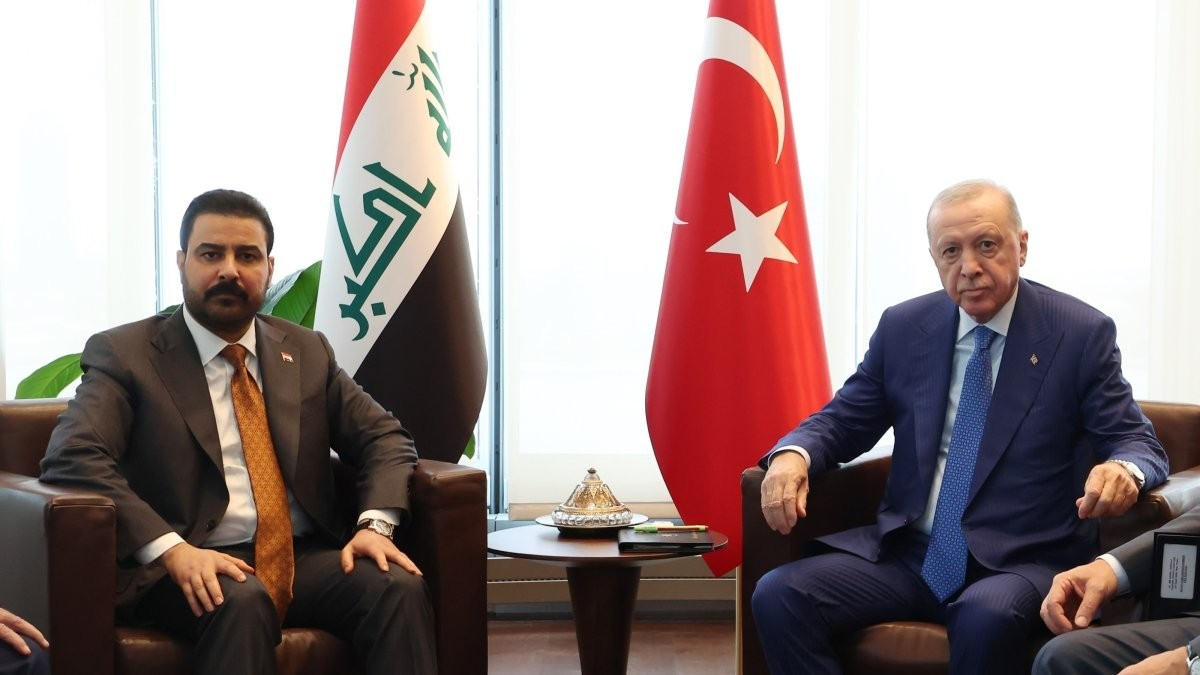
Iraq and Turkey have agreed to strengthen Baghdad’s authority in Sinjar and begin the gradual transfer of Turkey’s Bashiqa-Zilkan military base to the Iraqi federal government, addressing two longstanding security issues between the neighboring countries.
The agreement was reached during talks between Iraqi Prime Minister Ali Faleh al-Zaidi and Turkish President Recep Tayyip Erdoğan on the sidelines of the 81st United Nations General Assembly in New York.
In a joint statement, the two governments said they would deepen security cooperation as part of their broader strategic relationship.
Under the agreement, Iraq will work to establish full state authority and the rule of law in Sinjar district, in Nineveh province, while ending the presence of what the statement described as “proscribed foreign armed elements.” The statement did not identify the groups covered by the wording.
Reuters reported that neither government specified which armed groups were included under the term.
In return, Turkey reaffirmed that it would gradually transfer control of the Bashiqa-Zilkan military base to Baghdad as Iraq makes progress in implementing the agreed security measures.
The handover will be carried out according to a mechanism and timetable to be negotiated by the two governments. No specific date for the transfer was announced.
Turkey has maintained a military presence at Bashiqa, near Mosul, since 2015. Ankara has said its deployment was intended to support the training of Iraqi forces involved in the fight against ISIS.
Baghdad, however, has repeatedly objected to the presence of Turkish troops on Iraqi territory, describing it as a violation of Iraqi sovereignty.
The agreement also addresses the longstanding security situation in Sinjar, which has remained contested following the defeat of ISIS and its genocide against the Yezidi community.
The district has been subject to competing political and security influences involving the Iraqi federal government, the Kurdistan Region and several armed groups, including forces associated with the Kurdistan Workers’ Party (PKK).
The latest agreement does not name individual organizations but instead refers broadly to foreign armed elements whose presence Iraq seeks to end.
Beyond security issues, Baghdad and Ankara also agreed to expand bilateral trade and investment and to move ahead with previously signed agreements.
The two governments placed particular emphasis on the Development Road, Iraq’s major infrastructure and transportation project designed to connect the country’s Gulf ports with Turkey and wider international markets.
The project is intended to strengthen Iraq’s role as a regional transportation hub while expanding economic links between Iraq, Turkey and other markets.
The agreement therefore links two major areas of Baghdad-Ankara relations: Iraq’s efforts to consolidate state authority and address armed groups in Sinjar, and Turkey’s planned gradual withdrawal from its military position at Bashiqa-Zilkan.
At the same time, both governments signaled an effort to broaden their relationship through trade, investment and major infrastructure projects.