Turkey Arrests Brokerage Founder as $18.3 Billion Investment Fund Scandal Deepens
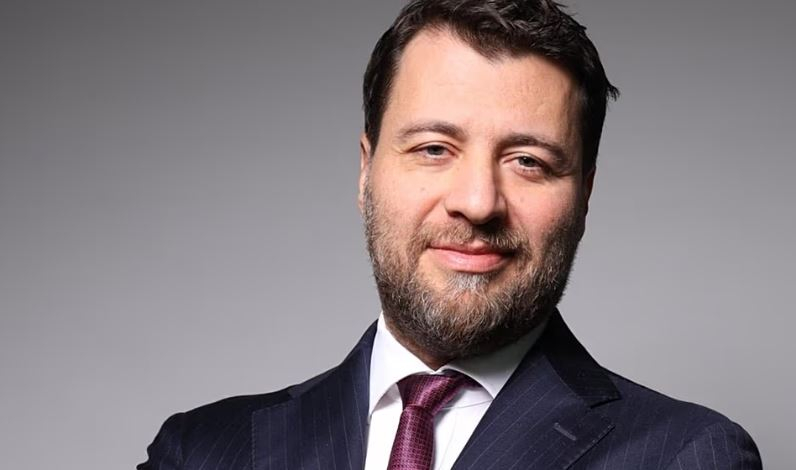
Turkish authorities have arrested Emre Tezmen, founder of Tera Yatırım, as part of an investigation into a widening investment-fund crisis that has left more than 455,000 investors waiting for their holdings to be liquidated.
Tezmen was formally arrested early Wednesday along with four other senior financial executives and will remain in custody pending trial. The arrests come after several Turkish investment funds reported difficulties meeting redemption requests from investors seeking to withdraw their savings.
The Capital Markets Board (CMB) has ordered the liquidation of 131 investment funds managed by seven firms, with their combined assets valued at about $18.3 billion. İşbank and state-owned Ziraat Bank have been tasked with overseeing the liquidation process.
Investors could face a wait of up to six months as authorities attempt to sell the funds' assets without causing further losses. The CMB extended the liquidation period from three to six months, saying the measure was intended to allow assets to be sold under the most favourable market conditions.
Tezmen, who was initially detained on September 19, was arrested alongside Tera board members Kerem Alkin and Emre Alkin, Tera Portföy General Manager Alper Öztürk, and Pusula Finans Holding Chairman Serdar Turhan, according to Turkish broadcaster NTV.
Kerem Alkin served as Turkey's ambassador to the Organisation for Economic Co-operation and Development (OECD) from 2021 to 2024 before retiring from the foreign ministry. His brother, Emre Alkin, is a prominent economist and television commentator.
Authorities have also frozen assets linked to executives at several financial companies and imposed restrictions on transactions involving some executives, their spouses and close relatives, Turkey's state-run Anadolu news agency reported.
Prosecutors are examining financial and cryptocurrency transfers made abroad since 2024 as part of efforts to determine whether assets were moved out of the country.
Meanwhile, Bulls Yatırım said its chairman, Kemal Akkaya, had been released after giving testimony. The company said Akkaya told prosecutors that Bulls Yatırım had no involvement in investment structures described as "Ponzi" or "chain schemes."
The immediate crisis emerged after funds managed by Tera Portföy and Pusula Portföy encountered difficulties meeting withdrawal requests.
The funds had accumulated substantial positions in relatively illiquid shares — stocks that can be difficult to sell quickly without significantly affecting their market prices.
The structure created a potential chain reaction. As the value of the shares increased, the funds' reported performance attracted additional investors. Some fund managers also borrowed against their shareholdings to purchase additional stocks.
But when investors began demanding their money back, fund managers needed to sell those holdings to generate cash.
Selling large quantities of thinly traded shares, however, could sharply reduce their prices. Lower prices would in turn reduce the value of the funds' portfolios and potentially leave less money available to repay investors.
Tera's fund-management subsidiary announced on September 16 that it had failed to make some payments following withdrawal requests from investors in two funds. Pusula Portföy subsequently reported similar delays.
Concerns about the market structure had surfaced before the payment problems became public.
In June, index provider MSCI warned of possible "coordinated trading" involving fund holdings connected to smaller Turkish-listed companies. MSCI said such activity could distort share prices, although it did not accuse Tera or any other named company of manipulating markets.
Tera's own share price had reportedly surged by more than 50,000% at its peak, only four years after the company's listing.
Turkish regulators subsequently tightened rules affecting investment funds in August. MSCI has said it could consider further action regarding Turkish securities in its indexes if it does not see sufficient progress by its November review.
Turkish Justice Minister Akın Gürlek said last Friday that authorities would hold accountable those who exploited citizens' savings, as prosecutors investigated allegations involving "Ponzi-like" methods.
By that point, four suspects had been remanded in custody and 51 people had been barred from leaving Turkey.
The CMB said on Wednesday that 455,758 distinct investors held stakes in the 131 funds ordered into liquidation.
Investors are expected to receive proceeds according to their share of the funds as assets are sold. However, authorities have not yet established how much investors will ultimately recover.
Finance Minister Mehmet Şimşek valued the affected funds at approximately $18.3 billion and said he did not expect the problems to spread throughout Turkey's wider financial system.
"We have placed the problematic area under quarantine," Şimşek said in a television interview, adding that the affected funds represented about 10% of Turkey's investment-fund sector.
The crisis has also weighed on Turkey's stock market.
The Borsa Istanbul All Shares Index has fallen about 12% since the beginning of last week, while around 50 listed companies have seen their share prices decline by 40% or more.
Authorities are now attempting to unwind the affected funds gradually, hoping to avoid a rush of asset sales that could trigger further falls in share prices.
For hundreds of thousands of investors, however, the central question remains unanswered: how much of their money will ultimately be recovered once the liquidation process is complete?