Iraq Closes Airspace for 72 Hours Amid Escalating Iran-Israel Tensions
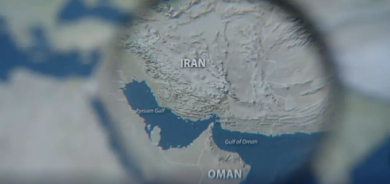
Iraqi authorities have announced the closure of the country's airspace to all civilian flights for 72 hours, including airports in the Kurdistan Region, following heightened regional tensions triggered by Iran’s missile attack on Israel.
Jihad Diwan, spokesperson for the Iraqi Civil Aviation Authority, confirmed that the decision applies to all civilian air traffic throughout Iraq.
“A decision has been made to close Iraqi airspace to all flights for 72 hours,” Diwan said, noting that the measure covers all airports in both federal Iraq and the Kurdistan Region.
The closure coincided with Iran’s launch of missiles toward Israel, raising concerns over the safety and security of regional airspace and international aviation routes.
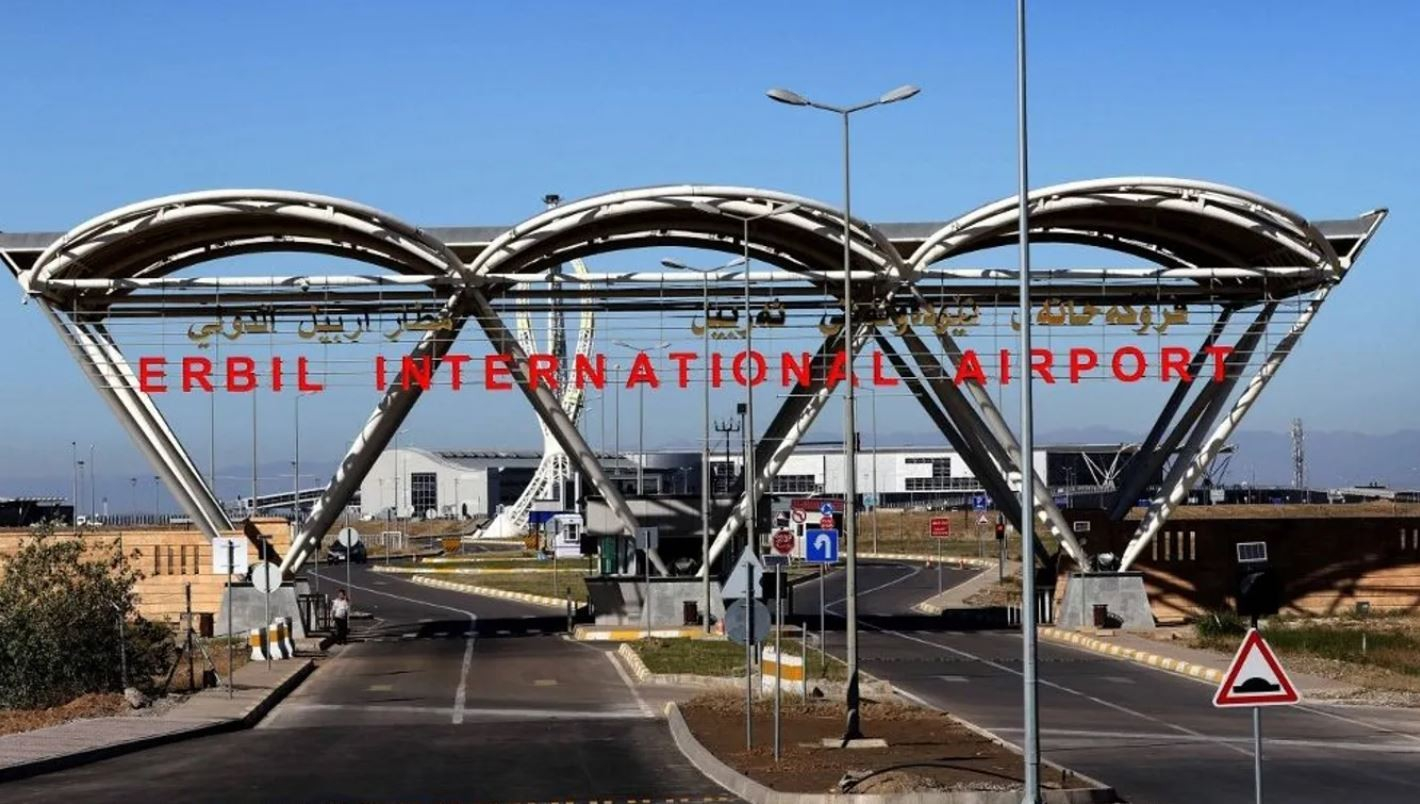
In the Kurdistan Region, operations at Erbil International Airport have also been suspended for the same period. Airport Director Ahmed Hoshyar told reporters that all flights would be halted for three days as part of precautionary measures adopted in response to the latest security developments.
“Air traffic will be suspended for 72 hours,” Hoshyar stated.
Later, the Iraqi Civil Aviation Authority issued an official statement announcing the temporary suspension of all arriving, departing, and transit flights through Iraqi airspace for 72 hours.
According to the statement, the decision was made following continuous assessments of the security situation and in light of ongoing regional tensions, with the primary objective of ensuring the safety of civil aviation operations.
The authority emphasized that the measure is precautionary and remains subject to ongoing review. Airlines and relevant aviation authorities will be notified of any changes as the situation develops.
This marks the second major closure of Iraqi airspace in 2026. Authorities previously suspended air traffic on February 28 after regional hostilities involving Iran, the United States, and Israel intensified.
The latest restrictions are expected to disrupt commercial travel and regional transit routes as governments across the Middle East respond to the rapidly escalating confrontation between Tehran and Tel Aviv.