Iraq Expands ASYCUDA Customs System to All Imports Through Ibrahim Khalil Crossing
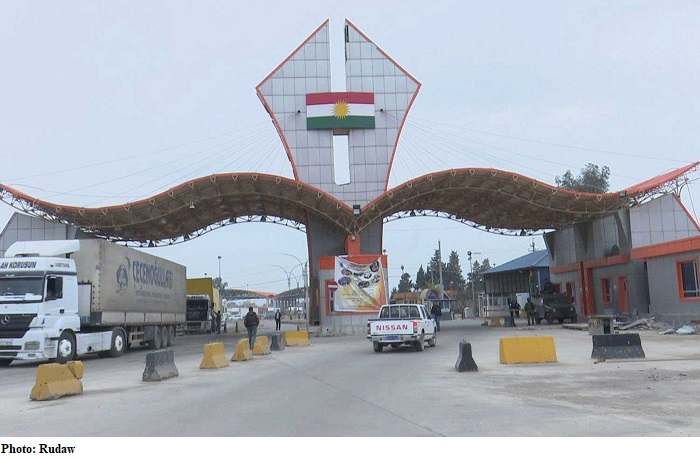
The Iraqi government has approved a new measure allowing all goods to be imported through the Kurdistan Region’s Ibrahim Khalil border crossing with Turkey under the Automatic System for Customs Data (ASYCUDA), beginning June 1, provided that merchants complete preliminary customs procedures.
According to an official document obtained by Rudaw, the directive was issued on May 14 by Ali Razzouqi al-Lami and addressed to Iraq’s federal finance ministry, granting approval to expand the system beyond its previous scope.
Previously, only food and medicine imports were permitted through the strategic Ibrahim Khalil crossing under the ASYCUDA system.
The ASYCUDA electronic automation system was developed by the United Nations Conference on Trade and Development in the early 1980s and is currently used at all 22 federal border crossings across Iraq, excluding those in the Kurdistan Region. The system is designed to modernize and standardize customs procedures through digital integration.
Under the mechanism, merchants are required to obtain federal government approval and pay customs duties in advance before importing goods. Importers are also granted access to US dollars at the official exchange rate set by the Central Bank of Iraq, enabling them to purchase foreign goods at rates lower than those available on the black market.
The implementation of the system at the Kurdistan Region’s border crossings has raised concerns among Kurdish authorities, who fear it may weaken the Region’s control over its crossings and customs revenues.
In April, delegations from the Iraqi federal government and the Kurdistan Regional Government met in Erbil to finalize an agreement on the digitalization of customs procedures and the implementation of ASYCUDA.
The agreement followed months of disputes between Baghdad and Erbil over administrative and financial control of the Kurdistan Region’s border crossings.
Hami Herki told Rudaw on Monday that, because Baghdad and Erbil have not yet reached a final agreement on unifying customs procedures, “goods imported through Ibrahim Khalil are taxed according to the Kurdistan Region’s customs tariffs, separately from the fees collected by the federal government.”