Oil Prices Surge Amid Doubts Over Progress in U.S.-Iran Peace Talks
Global oil prices climbed sharply on Friday as investors questioned whether ongoing peace talks between the United States and Iran would yield meaningful progress, despite signs of cautious optimism from both sides.
Brent crude futures rose by $3.30, or 3.2%, to $105.88 per barrel by 08:45 GMT, while U.S. West Texas Intermediate (WTI) crude gained $2.53, or 2.6%, to trade at $98.88 per barrel.
Despite the rebound, both benchmarks remained on track for weekly losses. Brent crude was down more than 3% for the week, while U.S. crude had fallen nearly 6%, reflecting intense market volatility driven by shifting expectations surrounding a possible peace agreement.
An Iranian source said negotiations had narrowed the gap between Tehran and Washington, while U.S. Secretary of State Marco Rubio pointed to “positive signals” emerging from the discussions. However, major disagreements remain unresolved, particularly over Iran’s uranium stockpile and strategic control of the Strait of Hormuz.
Market analysts said oil traders continue to react strongly to political developments, attempting to gauge the likelihood and timing of any future agreement. Concerns have also intensified over declining global oil inventories and slower energy flows through the Strait of Hormuz.
Optimism over the possibility of a truce helped limit further price gains, although analysts noted that bearish rhetoric tends to increase whenever Brent crude approaches the $110-per-barrel threshold.
The latest market moves come six weeks after a fragile ceasefire was announced, with little tangible progress achieved so far. Elevated oil prices have also renewed fears over inflationary pressures and the broader impact on the global economy.
Meanwhile, research firm BMI raised its forecast for the average Brent crude price in 2026 to $90 per barrel, up from its previous estimate of $81.50. The revision reflects expectations of prolonged supply shortages and the lengthy process required to restore damaged energy infrastructure across the Middle East.
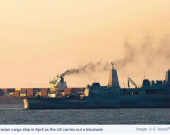
Before the conflict erupted, nearly 20% of global energy supplies passed through the Strait of Hormuz. The war has since removed an estimated 14 million barrels of oil per day from global markets.
Separately, trade sources expect China’s refined fuel exports to rise slightly in June, while the OPEC+ alliance is widely expected to approve a modest production increase for July, even as supply disruptions continue in several countries affected by the conflict.