U.S. Intensifies Economic Pressure on Iran, Warns Against Strait of Hormuz Tolls
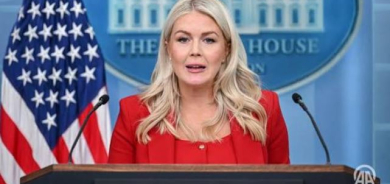
U.S. Treasury Secretary Scott Bessent announced Thursday that Washington is escalating its economic campaign against Iran, claiming the country’s economy and critical infrastructure are facing mounting strain as indirect negotiations between Tehran and Washington continue.
In a series of statements posted on X, Bessent said the U.S. Treasury Department is continuing what he described as an “Economic Fury” campaign targeting the Iranian government. He alleged that Iranian security forces are experiencing salary payment problems, police officers are increasingly failing to report for duty, and operations at Kharg Island — Iran’s primary oil export terminal in the Persian Gulf — have been disrupted.
“The Iranian economy and currency are in free fall,” Bessent wrote, adding that the Treasury Department had imposed sanctions on Iran’s Persian Gulf Strait Authority (PGSA).
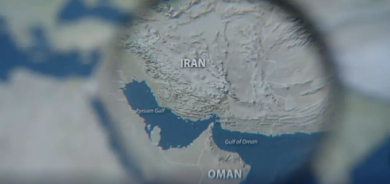
Bessent also issued a direct warning regarding any attempt to impose tolls in the Strait of Hormuz, one of the world’s most strategically important oil shipping routes.
“The United States Government will not tolerate any effort to impose a tolling system in the Strait of Hormuz,” he said on X. “Oman, in particular, should know that the U.S. Treasury will aggressively target any actors involved — directly or indirectly — in facilitating tolls for the Strait and any willing partners will be penalized.”
He added that all nations should reject “any efforts by Iran to disrupt the free flow of commerce,” declaring that “Tehran’s days of terrorizing the region and the world are over.”
The Treasury secretary also warned companies and foreign governments against paying any tolls or fees connected to Iranian-controlled maritime routes. According to Bessent, Washington would treat any disguised payments labeled as humanitarian aid as violations of U.S. sanctions.
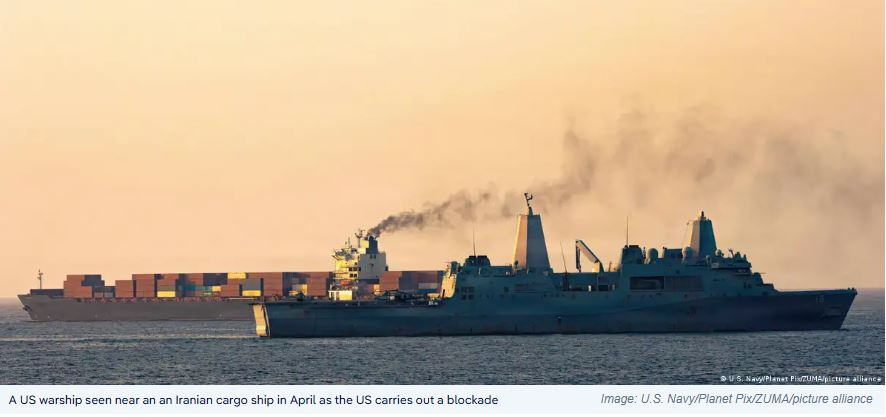
He further claimed that a U.S. naval blockade has significantly reduced the volume of Iranian crude oil transported by sea. Bessent said Washington is preparing additional measures targeting Iranian airlines, including restrictions on international landing rights, aircraft refueling services, and ticket sales.
“Only a satisfactory outcome in negotiations will end the downward spiral,” he stated.
The remarks come amid heightened tensions between the United States and Iran following months of indirect talks focused on Tehran’s nuclear activities, regional security concerns, and sanctions relief. Washington has continued expanding sanctions targeting Iran’s banking, shipping, and energy sectors in an effort to pressure Tehran into accepting broader limits on its nuclear and military programs.
Iranian officials have repeatedly rejected what they describe as “economic warfare,” insisting that the country will not negotiate under pressure. Tehran has also condemned U.S. military deployments and maritime operations in the Persian Gulf, warning that further escalation could threaten regional stability and global energy markets.
Kharg Island, which handles the majority of Iran’s crude oil exports, remains a strategic pillar of the country’s energy sector. Analysts say any significant disruption to operations there could further reduce Iran’s oil revenues, a crucial source of income despite years of international sanctions.
The United States Government will not tolerate any effort to impose a tolling system in the Strait of Hormuz. Oman, in particular, should know that the U.S. Treasury will aggressively target any actors involved - directly or indirectly - in facilitating tolls for the Strait and…
— Treasury Secretary Scott Bessent (@SecScottBessent) May 28, 2026