US–Iran Ceasefire Stalemate Deepens as Trump Signals Frustration with Tehran Proposal
Nearly a month after a fragile ceasefire halted direct hostilities, the United States and Iran remain locked in a tense diplomatic impasse, with no clear path toward a comprehensive agreement.
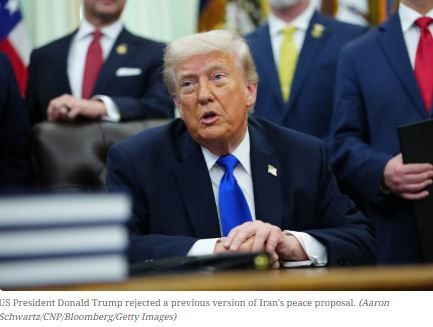
Donald Trump said Friday he was “not satisfied” with a new Iranian proposal delivered via Pakistan, underscoring growing doubts about the prospects for a negotiated settlement.
“At this moment I’m not satisfied with what they’re offering,” Trump told reporters, attributing the deadlock to internal divisions within Iran’s leadership. He framed the situation starkly, asking whether Washington should pursue a diplomatic resolution or escalate militarily, though he said he would “prefer not” to take the latter course “on a human basis.”
Iran’s state news agency confirmed that the proposal had been submitted but provided no details. The ceasefire, in effect since April 8, followed weeks of conflict triggered by coordinated strikes launched on February 28 by the United States and Israel. Only one round of direct talks has taken place since, ending without agreement.
Despite declaring in a letter to Congress that hostilities had “terminated,” Trump faces mounting domestic pressure to secure legislative authorization for the military campaign. Lawmakers remain divided over whether the ceasefire pauses the legal requirement for congressional approval.
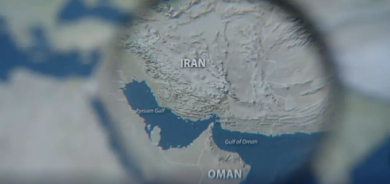
Meanwhile, Washington’s military posture in the region remains largely unchanged, and the strategically vital Strait of Hormuz continues to be closed, disrupting global energy flows.
The prolonged standoff is taking a severe toll on Iran’s economy. New US sanctions targeting currency firms, combined with a de facto blockade, have reportedly halted billions of dollars in oil exports. Inflation in Iran has surged past 50 percent, deepening hardship for ordinary citizens.
Iranian officials insist they remain open to negotiations but reject what they describe as imposed conditions, particularly regarding their nuclear program. Reports indicate that Washington is pushing for strict limits on uranium handling during talks — a demand that could complicate any phased agreement.
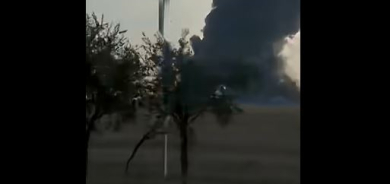
At home, Iranian authorities have urged businesses to avoid layoffs as economic conditions worsen. At the same time, reports of casualties from unexploded munitions in northwestern Iran highlight the lingering dangers of the recent conflict.
The crisis continues to reverberate across the region. In Lebanon, Israeli strikes have persisted despite a separate ceasefire with Hezbollah, resulting in civilian casualties in the south.
The United States has also moved to reinforce its regional alliances, approving major arms deals with Qatar and Israel. Efforts to reopen the Strait of Hormuz remain fragmented, with European powers pursuing one initiative while Washington explores a separate coalition.
The departure of the USS Gerald R. Ford from the Middle East signals some operational adjustment, but the continued presence of other US carriers underscores that military tensions remain high.