Al-Zaidi Arrives in Erbil for High-Level Talks on Iraq’s Political Transition
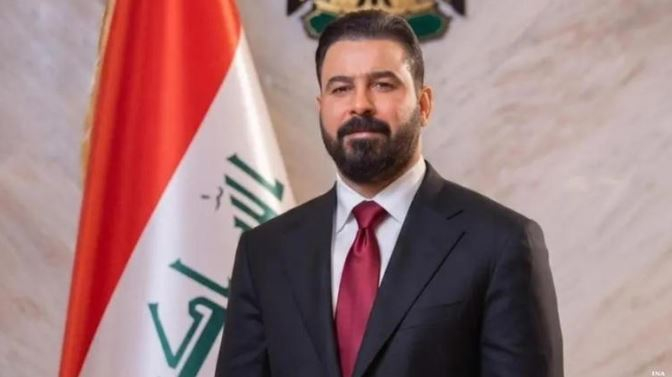
Iraq’s Prime Minister-designate, Ali al-Zaidi, arrived in Erbil on Saturday morning to begin a series of high-level consultations aimed at advancing the political transition in both Baghdad and the Kurdistan Region.
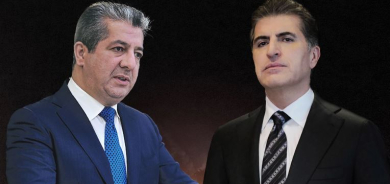
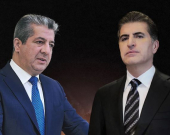
Al-Zaidi was received at Erbil International Airport by Kurdistan Region Prime Minister Masrour Barzani, marking the start of a significant diplomatic engagement involving a senior delegation from Iraq’s ruling Shiite bloc. His visit represents a formal escalation in negotiations following weeks of preliminary discussions among key political factions.
According to political sources, the primary objective of al-Zaidi’s visit is to finalize negotiations surrounding the formation of the next Iraqi federal government and the Kurdistan Regional Government (KRG). The discussions aim to synchronize cabinet formation processes and address outstanding legislative and administrative issues between Erbil and Baghdad.
Al-Zaidi is scheduled to meet separately with senior Kurdish leadership, including President Masoud Barzani, Kurdistan Region President Nechirvan Barzani, and Prime Minister Masrour Barzani. Observers note that these meetings are crucial for building consensus among major stakeholders and navigating the complex dynamics of Iraq’s political system.
Al-Zaidi’s visit follows a notable shift in Iraq’s political landscape. Earlier this week, President Nizar Amedi formally nominated him as Prime Minister-designate after securing support from the largest Shiite parliamentary bloc, the Coordination Framework.
The nomination came after the bloc withdrew its initial backing for former Prime Minister Nouri al-Maliki, reportedly under external pressure, including signals from the United States. Both al-Maliki and caretaker Prime Minister Mohammed Shia al-Sudani later endorsed al-Zaidi as a consensus candidate.
Despite the agreement, al-Zaidi’s nomination has exposed divisions within the Coordination Framework. Critics from rival factions have questioned his political background, describing him as an “unknown” figure.
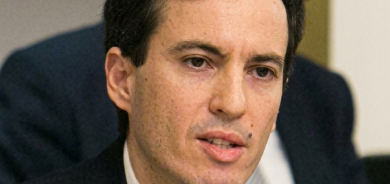
Al-Zaidi, a businessman and banker with a PhD in public law, previously served as chairman of al-Janoob Islamic Bank, which has been subject to U.S. sanctions. While he is presented as an independent technocrat, his profile has drawn scrutiny in political circles.
The Erbil talks are taking place amid a boycott of the Iraqi parliament by the Kurdistan Democratic Party (KDP). Party officials have described the move as a protest against constitutional violations and the marginalization of Kurdish political rights.
Kurdish leaders have emphasized that their participation in the federal process depends on resolving key issues, including the Kurdistan Region’s budget share, salary payments, and the implementation of Article 140.
Despite tensions, Kurdish officials have expressed readiness to engage constructively. Recent communications between Kurdish leadership and al-Zaidi have framed his nomination as an opportunity to reset relations and address long-standing disputes through constitutional mechanisms.
Negotiations over cabinet formation have revealed a points-based system for distributing ministries among Iraq’s political components:
Kurdish parties are expected to receive three to four ministries, including one sovereign post.
Shiite factions are set to control 12 to 13 ministries, including key portfolios such as Oil, Interior, and Finance.
Sunni groups are likely to secure five to six ministries, including Defense and Planning.
Competition remains particularly intense over sovereign ministries due to their influence over national resources and security.
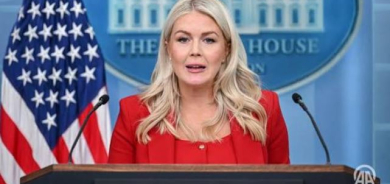
The government formation process has drawn international attention. U.S. President Donald Trump has congratulated al-Zaidi and invited him to Washington, expressing hope for a stable and effective Iraqi government.
At the same time, Iran has voiced support for al-Zaidi’s nomination. Iranian Foreign Minister Abbas Araghchi welcomed the decision and reiterated Tehran’s backing for Iraq’s political stability and sovereignty.
This dual support reflects Iraq’s delicate balancing act amid ongoing regional tensions, including a recent ceasefire between the United States and Iran.