First Court Hearing Opens Trial of Bashar al-Assad and Senior Syrian Officials
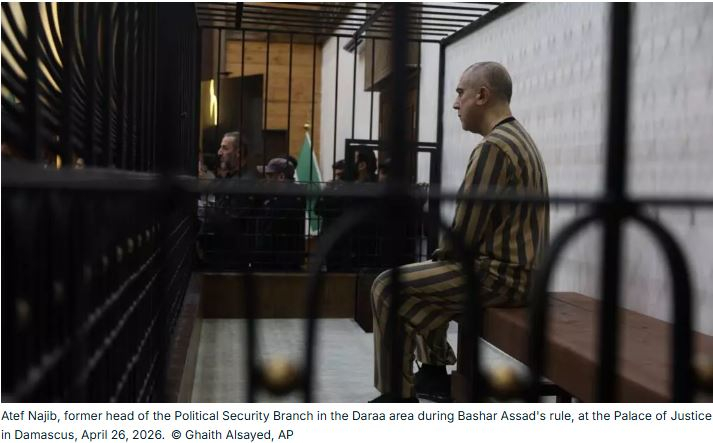
A Syrian court on Sunday held the first hearing in the trial of ousted ruler Bashar al-Assad and senior members of his government, marking the beginning of a long-awaited process of transitional justice in the country.
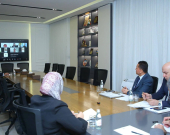
While Assad and his brother Maher al-Assad remain outside Syria and will be tried in absentia, former security official Atif Najib appeared in court in Damascus under heavy guard, wearing handcuffs and a prison uniform.
Presiding judge Fakhr al-Din al-Aryan opened the session by declaring, “Today we begin the first trials of transitional justice in Syria,” noting that the proceedings involve both detained defendants and others who have fled justice.
According to a judicial source, the hearing focused on preparatory legal and administrative procedures and represents the initial step toward broader trials involving Assad, his brother, and other senior figures from the former regime.
Najib, arrested in January 2025 following the collapse of Assad’s government, previously led the political security branch in Daraa—the southern province where the 2011 uprising began. He faces accusations of orchestrating widespread repression and arbitrary arrests during the early stages of the conflict.
The Syrian civil war, which lasted 13 years, resulted in more than half a million deaths and the displacement of millions, with tens of thousands reported missing, many believed to have been detained in the regime’s prison system.
Syria’s current leadership has pledged to pursue accountability for crimes committed during the Assad era. In a statement posted on X, Syrian President Ahmed al-Sharaa reaffirmed that justice remains “a major goal that the state and its institutions strive to achieve.”
The court session concluded without questioning Najib, and a second hearing has been scheduled for May 10.
Judicial sources indicate that future in-person trials will include other high-profile figures, such as Wassim al-Assad, former grand mufti Ahmed Badreddin Hassoun, and several military and security officials detained in recent months.
Assad reportedly fled to Moscow in December 2024 as opposition forces advanced on Damascus, leaving behind key members of his administration, some of whom have since been arrested or gone into hiding.