Iraq’s Shiite Coordination Framework to Meet Amid Political Deadlock and U.S. Opposition to Maliki Return
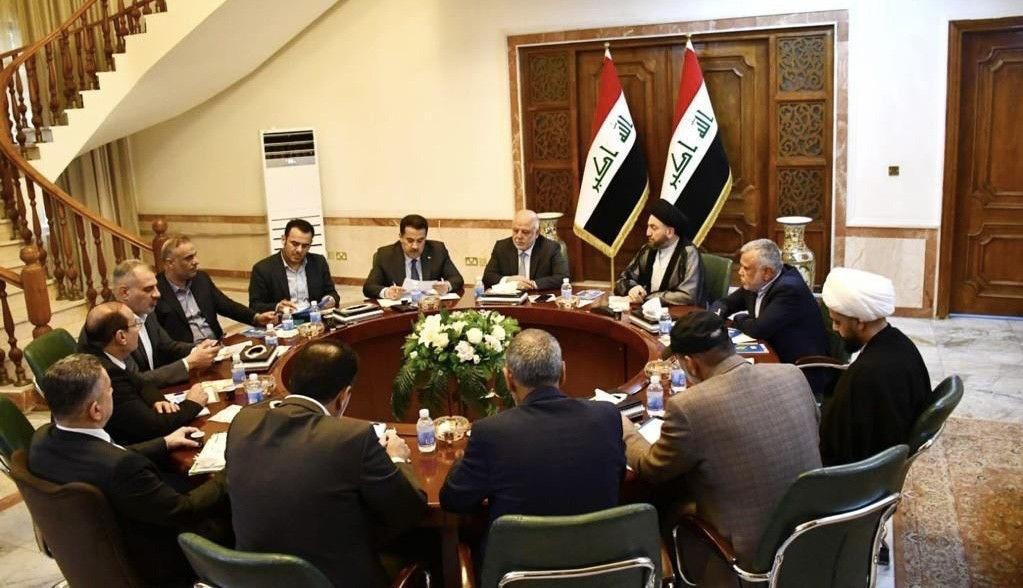
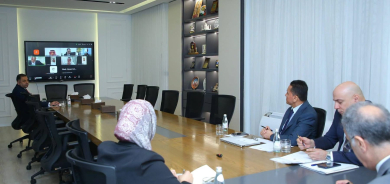
Iraq’s dominant Shiite political alliance, known as the Coordination Framework, is scheduled to convene Monday evening at the residence of senior Shiite politician Humam Hammoudi to address the country’s ongoing political stalemate and reported opposition from the United States to a potential return of former prime minister Nouri al‑Maliki to the premiership, Iraqi media reported.
The meeting comes as political negotiations continue to stall over key government posts following parliamentary elections. The Coordination Framework — a bloc of mainly Shia parties with close ties to Tehran — has been at the heart of efforts to form Iraq’s next government, but internal divisions and external pressures have heightened tensions.
According to Iraqi press reports, discussions will focus on resolving differences within the bloc, especially amid concern over reported opposition from U.S. President Donald Trump toward Maliki’s nomination. Trump has publicly warned that Washington may reconsider its support for Iraq if Maliki — seen by U.S. officials as aligned with Iran — is chosen to lead the government.
Washington has also signaled broader objections to the inclusion of Iran‑aligned armed factions in Iraq’s next cabinet, urging Baghdad to form a government that reflects stability and balanced international relations. The issue underscores growing pressure from Washington over the composition of Iraq’s political leadership and the direction of its foreign alliances.
Inside Iraq, the Coordination Framework has repeatedly defended its nomination of Maliki as a sovereign constitutional decision, rejecting what it describes as external interference in domestic affairs. Shiite parties within the bloc have reiterated that choosing a prime minister is an internal matter and emphasized the need to respect Iraq’s constitutional processes.
However, the controversy has exposed fissures within the alliance, with some reports indicating that leaders are considering alternative candidates to break the political impasse and avoid further escalation with international partners.
Iraq has faced repeated government formation crises in recent years, with protracted negotiations and disputes over key posts delaying the establishment of stable administrations after elections. The Coordination Framework’s Monday gathering highlights the continued influence of external factors on Baghdad’s internal politics as Iraqi factions seek a compromise acceptable to both domestic constituencies and major international stakeholders.