International Conference to Examine 2014 Yezidi Genocide Draws Global Scholars
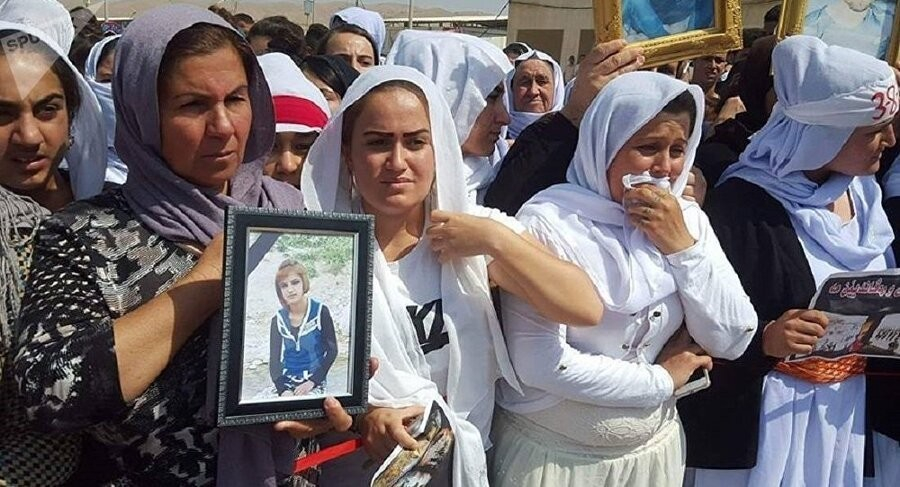
A major international academic conference focusing on the 2014 Yezidi genocide is set to take place in 2026, bringing together more than 150 researchers from around the world to examine one of the gravest atrocities committed by Islamic State.
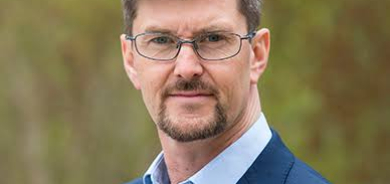
According to Dr. Said Khadida, chairman of the conference, the event—titled “Yezidi Genocide of 2014: Between Memory and Justice”—has already attracted significant global interest. Participants from 12 countries are expected to present over 150 research papers.
The conference will address key themes including the root causes of the genocide, the long-term psychological impact on survivors, and demographic changes in traditional Yezidi areas following the attacks.
Khadida emphasized that the gathering aims to connect academic research with ongoing efforts to achieve justice for victims while preserving the memory of those who were killed or displaced. “This conference is not only about documentation, but also about ensuring accountability and supporting the recovery of the Yezidi community,” he said.
Organizers describe the event as one of the most comprehensive academic examinations of the genocide to date, reflecting sustained international engagement with the issue.
In August 2014, militants from the Islamic State launched a large-scale assault on the Yezidi heartland in Sinjar, killing thousands of men and elderly people and abducting women and children.
The United Nations later recognized the campaign as a genocide, citing systematic killings, forced conversions, and widespread sexual violence.
More than 6,000 Yezidi women and children were taken captive, many subjected to slavery and abuse. While thousands have since been rescued or have escaped, many remain missing.
The attacks displaced hundreds of thousands of Yezidis, many of whom continue to live in camps across the Kurdistan Region. Despite the territorial defeat of ISIS in Iraq in 2017, the legacy of the genocide persists, with ongoing efforts to locate mass graves, identify victims, and bring perpetrators to justice.
Reconstruction in Sinjar has progressed slowly, and many Yezidis have yet to return to their homes due to security concerns and limited access to essential services.