Qatar Calls for Greater Gulf Security Self-Reliance Amid Regional Tensions
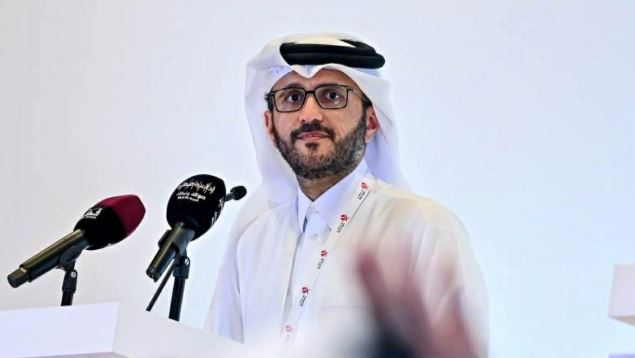
Qatar has called on Gulf states to strengthen their own security capabilities and reduce reliance on the United States and other international partners, in a notable statement from one of Washington’s closest regional allies.
Qatar’s Foreign Ministry spokesman said Monday that while US military cooperation and international alliances remain important, Gulf countries cannot depend solely on foreign powers to guarantee their security.
“We need to realize in the Gulf that having international forces in the region, having a strategic alliance with the United States, is very important, but is not enough,” the spokesman said at the Hili Forum in Abu Dhabi.
“Self-sufficiency when it comes to security is the only way forward,” he added. “Yes, we need our partners. Yes, we need our allies. But we cannot depend on them alone for our security.”
The remarks carry particular significance given Qatar’s close relationship with Washington and its exposure to the ongoing regional conflict. Doha hosts Al Udeid Air Base, the largest US military installation in the Middle East, while also maintaining a diplomatic role between Washington and Tehran.
Qatar has continued its mediation efforts despite coming under Iranian attacks, including strikes targeting its energy infrastructure. Qatari Prime Minister Sheikh Mohammed bin Abdulrahman Al Thani travelled to Tehran last month as part of efforts to ease tensions and explore arrangements aimed at protecting maritime traffic through the Strait of Hormuz.
The conflict has also placed Gulf states under growing economic and security pressure. Iran has disrupted shipping through the strategic waterway, while the United States has maintained pressure on Iranian ports and sought to limit Tehran’s economic connections with regional states.
After months of fighting and diplomatic efforts, no lasting settlement has emerged, leaving Gulf countries exposed to both Iranian military attacks and the economic consequences of instability around the Strait of Hormuz.
Qatar’s call for greater security self-reliance also comes as a new regional defense arrangement takes shape. The Makkah Defense Alliance, involving Saudi Arabia, Türkiye and Pakistan, recently held its first formal Strategic Political and Defense Committee meeting in Istanbul and established a permanent secretariat in Riyadh. The alliance has also indicated that it remains open to additional members.
Qatar is not currently part of the alliance, but Doha’s latest comments suggest that Gulf states are increasingly considering security arrangements that complement, rather than depend entirely upon, existing US military partnerships.