Iraq Faces Deadlock Over Militia Weapons Ahead of U.S. Withdrawal Deadline
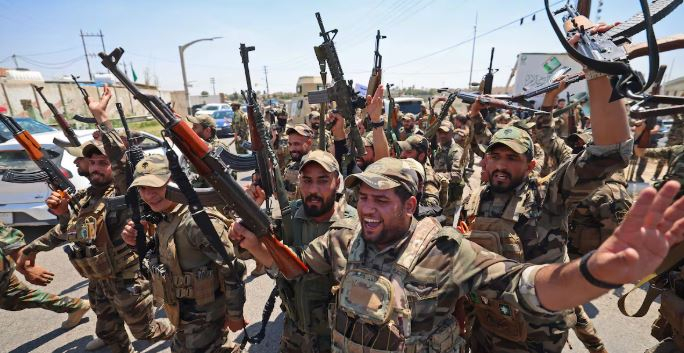
Iraq’s Shia Coordination Framework is facing an apparent deadlock with powerful armed factions over efforts to bring weapons under state control, as Baghdad approaches the Sept. 30 deadline for the withdrawal of US-led coalition forces.
A three-member committee formed by the Coordination Framework has been holding talks with armed groups in an attempt to reach an agreement on the future of weapons held outside state institutions. However, no clear agreement has emerged over a timetable for restricting or surrendering those weapons.
The committee includes former Prime Ministers Mohammed Shia al-Sudani and Nouri al-Maliki, as well as Badr Organization leader Hadi al-Amiri.
The disagreement threatens to complicate the government’s plans to present Sept. 30 as a major milestone in restoring Iraqi sovereignty. Iraqi officials have repeatedly said the date will mark the completion of the coalition’s military mission and a greater reliance on national security institutions.
However, powerful factions, including Kataib Hezbollah and Harakat al-Nujaba, have rejected calls for disarmament. They argue that their weapons are part of the resistance and remain necessary in response to foreign military presence and regional security threats.
Ali al-Asadi, head of Harakat al-Nujaba’s Political Council, recently reiterated the group’s position, stressing the importance of preserving the Popular Mobilization Forces as a national institution and defending what he called the “sanctity” of resistance weapons.
The dispute has also exposed differences within the political establishment over what “state control” should mean. While the government has called for all weapons to be brought under state authority, al-Maliki has spoken of regulating factional weapons rather than necessarily dismantling armed groups. Al-Amiri has similarly indicated that the factions themselves are expected to remain.
As a result, it remains unclear whether Sept. 30 is intended to serve as a firm deadline for the physical surrender of weapons or as the starting point for a longer process aimed at regulating their use under state authority.
Iraqi security officials have sought to prevent the dispute from triggering fears of an internal confrontation.
Sabah al-Numan, spokesperson for the commander-in-chief of the armed forces, said Iraq’s military and security institutions were prepared to deal with the challenges surrounding the transition and warned against attempts to create public fear.
“The next phase requires wisdom, steadfastness and solidarity,” Numan said.
Military and strategic expert Mukhlad Hazem told Asharq Al-Awsat that public statements did not necessarily reflect the positions being discussed privately between political leaders and armed factions. He said the weapons issue was increasingly being influenced by regional and international pressures rather than Iraq’s domestic political calculations alone.
“Everyone agrees that the issue of bringing weapons under state control must be resolved,” Hazem said.
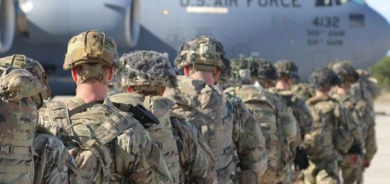
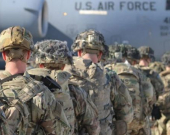
The dispute comes as Baghdad prepares for the conclusion of the US-led coalition’s military mission. Washington has said it expects to complete its withdrawal from Iraq by Sept. 30, while Iraqi officials have portrayed the transition as an important step toward strengthening national sovereignty.
Yet the end of the foreign military mission may not resolve Iraq’s broader security challenge.
If powerful armed factions refuse to accept the government’s timetable, Baghdad could face a situation in which foreign forces have departed while significant weapons remain outside the effective control of state institutions.
The issue therefore extends beyond the question of disarmament. At its core is the question of who has the authority to make decisions over war and peace, whether armed groups can operate independently of the government, and how Iraq can balance international pressure with the political influence of powerful domestic factions.