US to Withdraw Remaining Troops and Defense Systems from Kurdistan Region by September 30
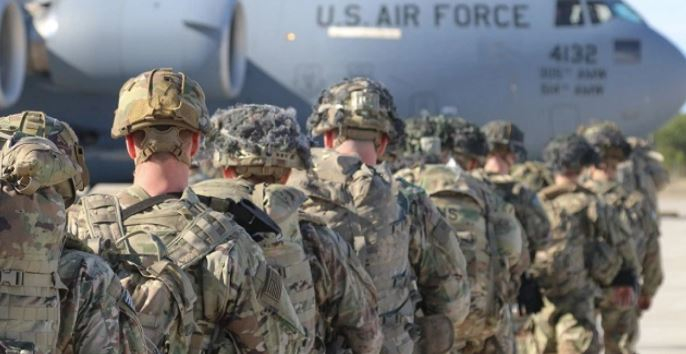
The United States is set to withdraw its remaining troops and air-defense systems from the Kurdistan Region by the end of September as part of an agreement between Baghdad and Washington, a senior Iraqi security official said Sunday.
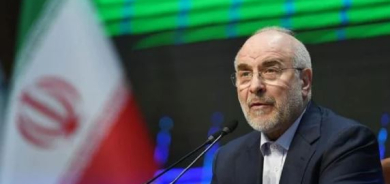
Qasim al-Araji, security adviser to Iraqi Prime Minister Ali al-Zaidi, told Rudaw that the withdrawal would include all remaining U.S. defense systems stationed in the Kurdistan Region, including those deployed around Erbil. He said the phased withdrawal of troops and military equipment had already begun.
“On September 30, coalition forces will completely withdraw from Iraq,” Araji said, describing the move as the implementation of an agreement reached between the previous Iraqi government and the international coalition. He added that Washington had expressed its readiness to complete the withdrawal by the agreed deadline.
The September 30 deadline was established under a 2024 agreement between Baghdad and Washington on the end of the coalition’s military mission in Iraq. The deadline also coincides with Baghdad’s efforts to secure the disarmament of Iran-aligned armed groups, several of which have tied their compliance to the complete withdrawal of U.S. forces.
Araji said negotiations with the armed factions were progressing positively and that Baghdad expected to establish a mechanism under which all weapons would eventually be placed under the control of the Iraqi state and the commander-in-chief of the armed forces.
“Discussions are proceeding very well and there is positive understanding,” he said.
According to Araji, a committee established by the ruling Coordination Framework and operating under the direct supervision of Prime Minister Zaidi is continuing efforts to resolve the dispute over the armed groups and their weapons.
Air defenses already being relocated
The planned withdrawal comes as parts of the U.S.-led coalition's air-defense infrastructure have already been moved out of Iraq. The United States has relocated eight Patriot surface-to-air missile batteries to Jordan, while Britain has transferred its Rapid Sentry system to Cyprus.
The departure of these systems is raising concerns in the Kurdistan Region, particularly in Erbil, where U.S. and British forces have provided protection for the airport and surrounding areas using missile-defense and counter-drone systems.
The security situation has become increasingly sensitive as Iran and Iran-aligned Iraqi groups have continued launching drones and missiles toward the Kurdistan Region amid renewed tensions between Washington and Tehran.
According to official figures cited by Rudaw, the Kurdistan Region has been targeted more than 1,000 times by one-way attack drones and missiles launched by Iran and its Iraqi allies since the U.S.-Israeli aerial campaign against Iran began in late February.
Despite the existing defenses, at least five U.S. soldiers and contractors have reportedly been killed in attacks in recent months.
Disarmament remains unresolved
Araji's comments came days after Baghdad said Prime Minister Zaidi had rejected a proposal to allow some U.S.-led coalition forces to remain in Iraq beyond the September 30 deadline.
Meanwhile, negotiations over the future of Iran-aligned armed groups remain unresolved. In late August, informed sources told Rudaw that Washington had rejected a proposal from Tehran-aligned factions to suspend their military activities for two years rather than surrender their weapons, reportedly describing the proposal as a “trick.”
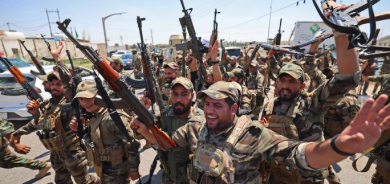
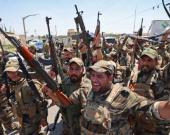
Five armed factions, including Kata’ib Hezbollah, Sayyid al-Shuhada and Harakat al-Nujaba, have reportedly refused to disarm. Some factions have also expanded their demands, calling for the withdrawal of Turkish forces from Iraq and the disbandment of the Kurdistan Region’s Peshmerga forces.