Qalibaf Warns of ‘Heavier’ Iranian Retaliation as U.S.-Iran Tensions Escalate
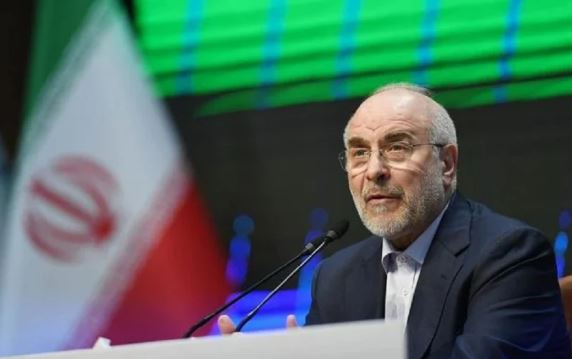
Iranian Parliament Speaker Mohammad Baqer Qalibaf has warned that any future attack on Iran will trigger a response that is “faster, heavier and more painful,” signaling a tougher approach to retaliation as military tensions between Tehran and Washington intensify.
Addressing the Islamic Consultative Assembly on Sunday, Qalibaf said Iran had moved beyond what he described as an era of proportionate retaliation, arguing that the “rules of the game have changed.”
According to Iran’s official IRNA news agency, Qalibaf said recent Iranian strikes against U.S. military positions represented only the beginning of a new deterrence strategy.
“If they have not understood this by now, they must do so before it is too late,” he said, warning Washington against underestimating Iran’s willingness to escalate its response.
Qalibaf’s comments came as the U.S.-Iran confrontation has increasingly expanded into the Gulf of Oman and the Strait of Hormuz, where attacks involving military and commercial vessels have raised concerns about the security of one of the world’s most important energy routes.
The U.S. Central Command said Sunday that the Iranian crude carrier M/T Kylo, which was struck by American forces a day earlier, had sunk in the Gulf of Oman.
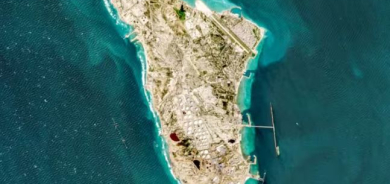
CENTCOM said the vessel was one of three tankers targeted after what Washington described as attempted Iranian attacks against a U.S. aircraft carrier and destroyer. The military said the M/T Downy was disabled near Kharg Island and the M/T Stark 1 was targeted near Jask.
Iran condemned the tanker strikes as illegal and aggressive.
Tehran also claimed that Iranian forces had attacked a U.S. unmanned surface vessel attempting to enter the Strait of Hormuz. Washington had not immediately confirmed the Iranian account.
Qalibaf presented the confrontation as extending well beyond military operations, saying Iran must also strengthen its economy and maintain domestic political cohesion.
He acknowledged that exchange-rate instability, inflation, unemployment and difficulties in managing domestic markets were placing significant pressure on Iranian households.
The parliament speaker called for stronger domestic production, tighter management of imports and greater use of technology to help Iran withstand sanctions and disruptions to supply chains.
He also warned officials against presenting economic difficulties or political disagreements in ways that could create an impression of weakness.
According to Qalibaf, maintaining both internal cohesion and external deterrence is essential to Iran’s ability to withstand pressure from the United States and its allies.
Qalibaf’s hard-line position comes as Iran faces an increasingly visible internal debate over how the conflict should be managed and eventually brought to an end.
Former President Hassan Rouhani has recently faced criticism from conservative political figures and media outlets after calling for greater public consultation over the country’s direction and the eventual conclusion of the war.
Rouhani has also advocated a more measured approach to retaliation and the use of the Strait of Hormuz, positions that his critics argue could weaken Iran’s deterrence.
Qalibaf, by contrast, argued that restraint could encourage further pressure on Tehran.
He described the conflict as an “all-out war” and maintained that Iran should impose progressively greater costs on its adversaries rather than respond only in proportion to attacks.
The Strait of Hormuz remains a crucial source of leverage for Tehran. Before the conflict, roughly one-fifth of global oil supplies passed through the waterway, making any prolonged disruption potentially significant for international energy markets and shipping.
The increasing involvement of commercial tankers means that further escalation could have consequences extending far beyond Iran and the United States, affecting regional economies, global oil prices and international shipping.