PM Advisor: Iraq–US Agreements Signal Greater Economic Openness, but Success Depends on Implementation
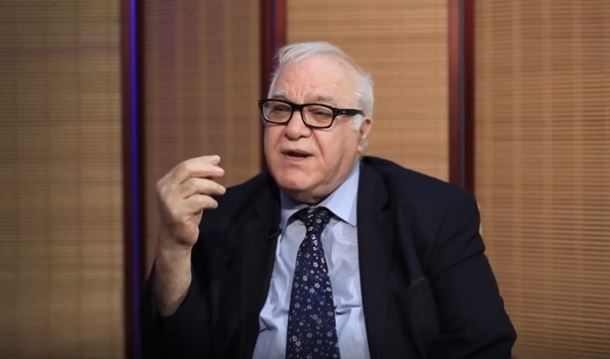
Prime Minister's Advisor for Financial Affairs, Mazhar Muhammad Salih, said on Saturday that the signing of 48 agreements, memoranda of understanding (MoUs), and a declaration of partnership between Iraq and the United States marks a significant step toward strengthening Iraq’s economic openness and attracting foreign investment.
Speaking to the Iraqi News Agency (INA), Salih stressed that while the agreements send a positive signal to international investors, their real value will depend on how effectively they are translated into practical, implementable projects.
He said the memoranda reflect Iraq’s commitment to expanding international economic cooperation and attracting foreign capital, adding that they demonstrate the country’s efforts to create a more stable and open investment environment.
Salih noted that the entry of international companies into Iraq would facilitate the transfer of technology, administrative expertise, and technical knowledge, while improving the efficiency of productive sectors, creating employment opportunities, and supporting economic diversification beyond oil. He highlighted potential investments in key sectors, including energy, industry, infrastructure, telecommunications, and services.
The advisor also described the agreements as an indication of growing international confidence in Iraq’s economic potential. However, he emphasized that this confidence must be reinforced through meaningful reforms, including simplifying administrative procedures, strengthening transparency, protecting investors, and ensuring legislative and security stability.
According to Salih, foreign investors assess not only the number of agreements signed but also the government’s ability to fulfill its commitments and provide a stable business environment capable of generating sustainable returns. He stressed that the success of the agreements will depend on the swift transition from signing to implementation and the removal of longstanding obstacles facing investment projects.
Salih further highlighted the importance of the newly announced public-private partnership framework, describing it as a modern economic model that combines the strengths of both sectors. Under this approach, the public sector provides land, infrastructure, and the legal framework, while the private sector contributes financing, management expertise, innovation, and advanced technologies.
He said the partnership model could accelerate development projects in strategic sectors such as energy, electricity, transport, housing, industry, and public services, while reducing the financial burden on the government and improving project efficiency.
Looking ahead, Salih said these partnerships could expand economic and financial cooperation through direct investment, joint financing, infrastructure development, investment funds, and stronger collaboration between banks and financial institutions to provide financing and investment guarantees.
He concluded that, over the medium and long term, successful implementation of the agreements could increase the private sector’s contribution to Iraq’s gross domestic product, stimulate economic growth, boost non-oil revenues, and enhance the competitiveness of the Iraqi economy. He reiterated that achieving these outcomes will require continued economic reforms, stronger legal frameworks for public-private partnerships, and high standards of transparency and governance to ensure that the signed agreements deliver tangible benefits for Iraq’s development and economic stability.