Iraq Owes Iran $2 Billion for Gas as Imports Remain at Half of Contracted Levels
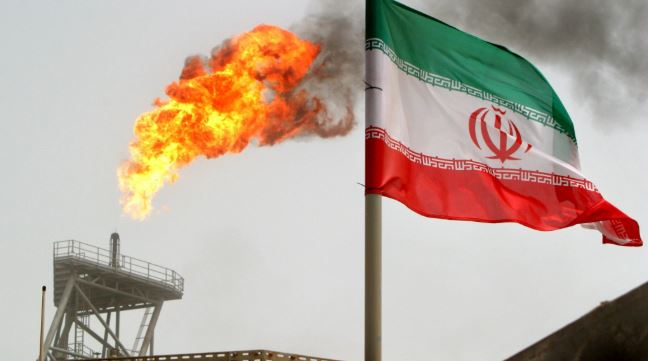
Iraq owes Iran approximately $2 billion for previous natural gas imports but remains unable to repay the debt because of US sanctions, while continuing to receive only half of the gas volumes agreed under a long-term supply contract, an Iraqi energy expert said on Tuesday.
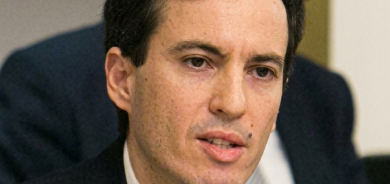
Ahmed Musa al-Abadi, an energy expert and former spokesperson for Iraq's Ministry of Electricity, told Rudaw that Baghdad has accumulated significant unpaid debts to Tehran for imported gas.
"Iraq currently owes Iran two billion dollars for gas purchases, but it cannot repay the debt due to sanctions on Iran," Abadi said.
Despite repeated supply disruptions, Iraq remains heavily dependent on Iranian natural gas to fuel its power plants. Under the bilateral agreement, Iran is expected to supply 50 million cubic meters of gas per day, enough to support around 30 percent of Iraq's electricity generation.
However, Abadi said Iraq is currently receiving only 25 million cubic meters per day, roughly half the contracted volume.
"Currently, only 25 million cubic meters of Iranian gas are arriving, providing fuel for a portion of the power stations. Twenty million cubic meters are designated for central Iraq and the other five million for the south," he said.
The current level represents a modest improvement after Iran recently increased exports by five million cubic meters per day, though supplies remain well below agreed levels.
Iran has repeatedly reduced or suspended gas exports, particularly during winter months, to prioritize domestic demand following damage to its energy infrastructure during the recent US-Israeli military campaign against Iran.
Abadi also noted that Iran's direct electricity exports to Iraq, previously delivered through four transmission lines with a combined capacity of 1,000 to 1,200 megawatts, have been suspended for more than a year because of US sanctions.
Since 2018, Washington has sought to reduce Iraq's dependence on Iranian energy by encouraging Baghdad to diversify its energy sources. Iraq has expanded efforts to capture flared gas for domestic use while pursuing alternative import options from Jordan, Turkey and Turkmenistan.
The comments come as Iraq continues to adapt its energy policy to comply with US sanctions on Iran.
Last month, Oil Ministry spokesperson Salim al-Rukabi said Iraq would comply with US restrictions on Iranian oil exports and instead import fuel through the State Oil Marketing Organization (SOMO) to address gasoline shortages.
"To resolve the outstanding gasoline issue, Iraq will import oil through SOMO," Rukabi said, adding that Baghdad remains committed to complying with the sanctions decision.
Iraq's gasoline shortages have worsened since the recent conflict involving Iran disrupted refinery operations in southern Iraq, leading to the departure of foreign companies and slowing investment in the energy sector.
Officials said the shutdown of the Fluid Catalytic Cracking (FCC) project in Basra reduced production of premium gasoline by 4 to 5 million liters per day, reversing Iraq's earlier claims of fuel self-sufficiency and forcing the government to seek alternative supplies while maintaining subsidized domestic fuel prices.