Iranian Drone Strikes on Bahrain Mark Major Escalation in Gulf Tensions
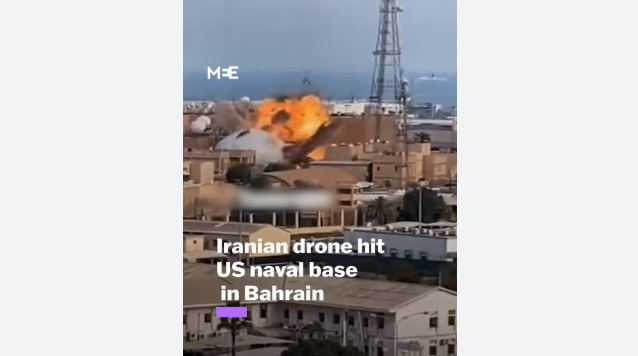
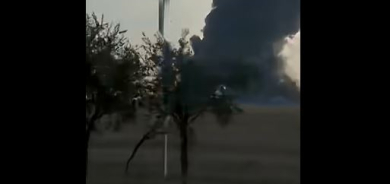
Bahrain has accused Iran of launching a drone attack against its territory, describing the incident as a serious violation of its sovereignty and a dangerous escalation in regional tensions.
In a statement issued on Saturday, Bahrain's Ministry of Foreign Affairs said that "a number of Iranian drones" struck the country at dawn. The ministry condemned the attack "in the strongest possible terms" and reaffirmed Bahrain's legitimate right to self-defense under international law.
The government characterized the strikes as "a flagrant violation of Bahrain's sovereignty, a blatant threat to the safety of citizens and residents, and a clear breach of international norms and charters that prohibit the targeting of civilian objects and the terrorizing of peaceful populations."
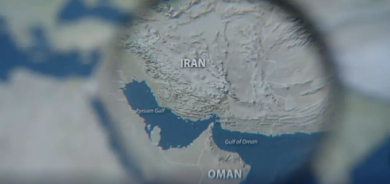
The incident comes amid rapidly escalating hostilities between the United States and Iran. The latest round of conflict began on Thursday after Iranian forces targeted a transit vessel in the Strait of Hormuz. In response, the United States Central Command (CENTCOM) carried out precision strikes on Iranian missile and drone storage facilities, as well as coastal radar installations.
Bahrain blamed Tehran for derailing ongoing diplomatic efforts aimed at reducing regional tensions.
"The sole responsibility for undermining peace efforts lies with Tehran," the ministry said, adding that the attack reflects "a systematic approach aimed at destabilizing security, exporting chaos, and undermining regional stability."
At the same time as the drone strikes, the United Kingdom Maritime Trade Operations (UKMTO) reported that a commercial vessel off the coast of Oman was hit by "an unidentified projectile." Iranian state media later reported that the Islamic Revolutionary Guard Corps (IRGC) had claimed responsibility for regional maritime operations.
CENTCOM condemned Iran's actions, stating that "Iran's dangerous behavior undermines freedom of navigation as commerce flows through this vital international trade corridor."
The IRGC also announced on Saturday that it had launched strikes against U.S. military bases in the region, although it did not specify which installations had been targeted.
The latest violence appears to have effectively collapsed a high-level memorandum of understanding signed on June 18, which had extended a fragile ceasefire by 60 days to allow negotiations on unresolved issues, including Iran's nuclear program and security in the Strait of Hormuz. Both Washington and Tehran have accused each other of violating the agreement over the past two days.
The Strait of Hormuz remains the focal point of the confrontation. The crisis traces back to February 28, when U.S. and Israeli military operations against Iran triggered a conflict that lasted nearly six weeks.
Iran has increasingly sought to tighten its control over the strategic waterway, including proposing transit fees for commercial shipping. On Thursday, the IRGC declared that vessels would only be allowed safe passage through routes designated by Iran, rejecting a newly proposed shipping corridor established by Oman in coordination with the International Maritime Organization (IMO).
The United States has rejected Iran's position. U.S. Secretary of State Marco Rubio reiterated Washington's stance, stating, "It's an international waterway. No country is allowed to charge tolls or fees on an international waterway. That's existing international law."