Kirkuk Council Member Announces Legal Action Over Removal of Kurdish, Turkmen and Syriac from Official Signboard
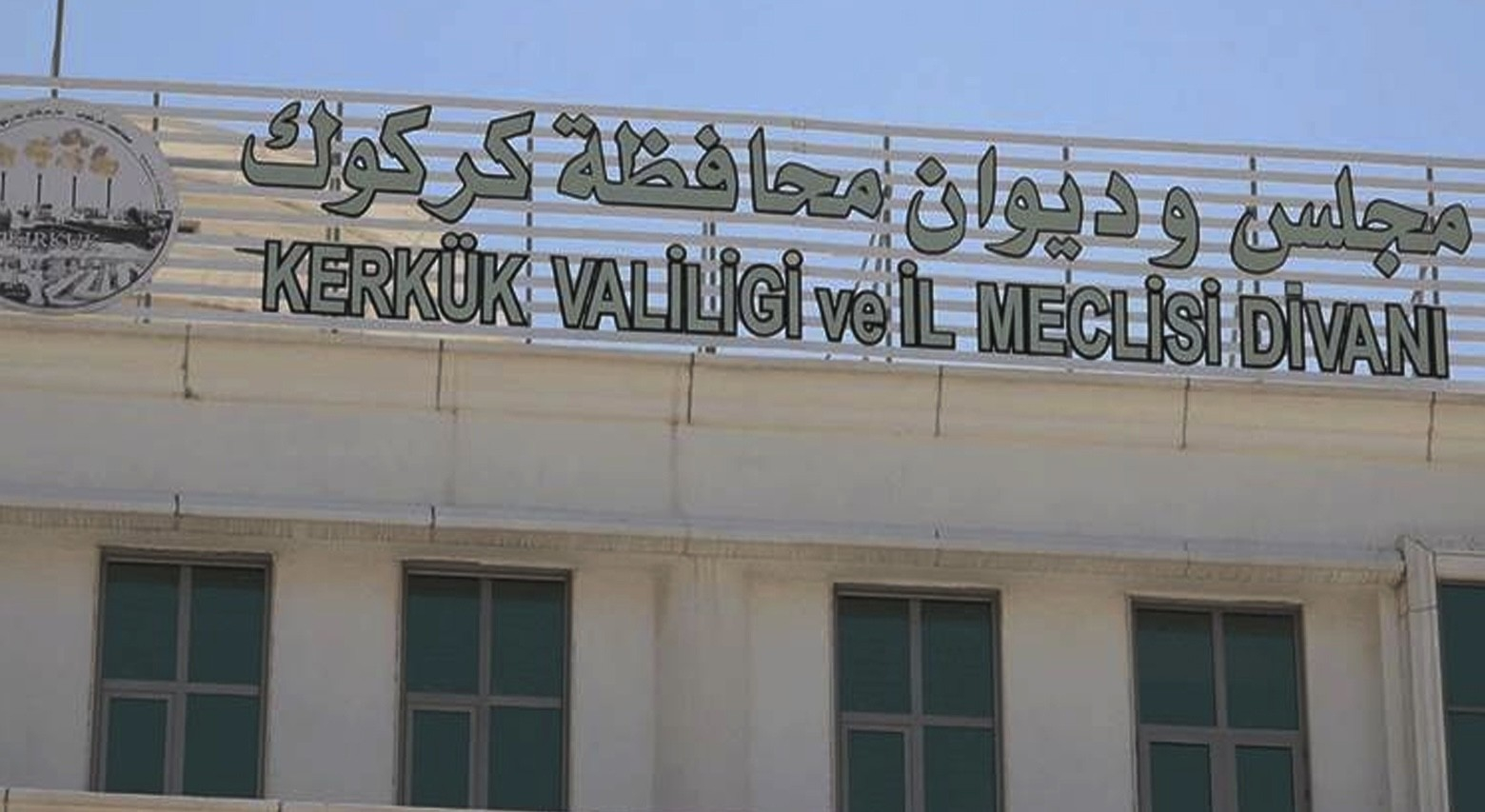
A member of the Kirkuk Provincial Council has announced plans to file a lawsuit in Baghdad after the removal of Kurdish, Turkmen, and Syriac languages from the official signboard of the Integrity Commission’s office in Kirkuk, calling the move a violation of Iraq’s constitution and laws.
Ahmed Kirkuki, a member of the provincial council, said local officials had monitored the replacement of the previous multilingual sign with a new sign displaying only Arabic, despite Kirkuk’s status as a city known for its ethnic and linguistic diversity.
“The use of official languages in government institutions is not a privilege or a favor; it is a constitutional and legal right,” Kirkuki said, stressing that multilingual government signs represent respect for equality and the identity of Kirkuk’s communities.
Kirkuki said he questioned the head of the local Integrity Commission office about the decision and was informed that the order came from Baghdad. He requested an official written directive, warning that without such an order, responsibility would remain with the local office.
The council member confirmed that a lawsuit would be filed in Baghdad, while an official letter had also been sent to the head of the Integrity Commission requesting clarification over the decision and demanding the restoration of the multilingual sign in accordance with Iraqi laws.
“Kirkuk has always been and will remain a city of diversity and multilingualism,” Kirkuki said, adding that local authorities would not accept violations of the linguistic rights of the province’s communities.
According to Iraq’s Official Languages Law of 2014 and a 2008 ruling by the Iraqi Federal Supreme Court, government institution signs in Kirkuk are required to be displayed in the province’s official languages: Arabic, Kurdish, Turkmen, and Syriac.
Iraq’s constitution recognizes Arabic and Kurdish as the country’s official languages, while Turkmen and Syriac are granted official status in administrative areas where their speakers represent a significant part of the population.