US to Scale Back Troop Presence in Europe to Pre-Ukraine War Levels, Pentagon Says
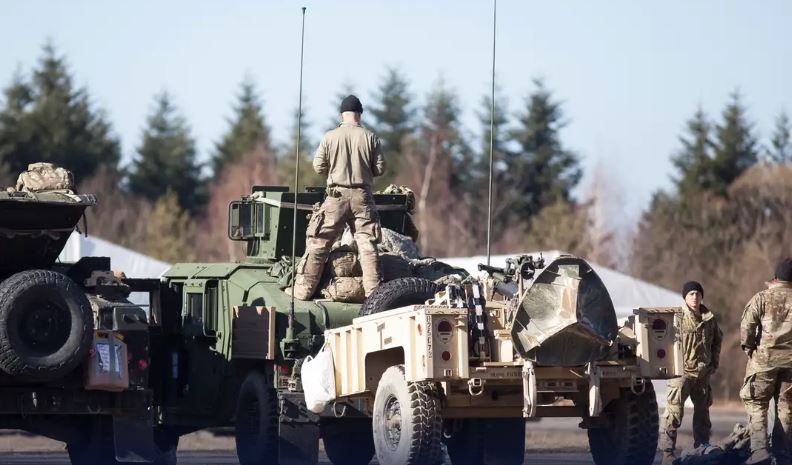
The United States is set to reduce its military presence in Europe, bringing troop levels back to those seen before Russia’s full-scale invasion of Ukraine in 2022, according to a Pentagon announcement on Tuesday. The move reflects what officials described as a shift aligned with President Donald Trump’s “America First” agenda and a broader push for NATO allies to take greater responsibility for Europe’s defense.
Pentagon spokesman Sean Parnell said the decision followed a “comprehensive, multilayered process” reviewing the US military posture in Europe. As part of the adjustment, the number of US Army Brigade Combat Teams (BCTs) in Europe will be reduced, with each BCT typically consisting of around 4,000 to 4,700 personnel.
According to the statement, the reduction would return US troop levels on the continent to 2021 levels, reversing the surge that followed Russia’s invasion of Ukraine in 2022. The Pentagon said the changes are intended to “incentivize and enable” European NATO members to assume primary responsibility for conventional defense.
The announcement comes amid ongoing tensions within the transatlantic alliance. It follows reports of delays in a US troop deployment to Poland, which Vice President JD Vance confirmed had been postponed.
The decision also coincides with earlier Pentagon plans to withdraw 5,000 troops from Germany, a move that has added to concerns among European allies about long-term US security commitments. The top US military commander in Europe noted that many of the forces being adjusted were part of an armored brigade in the process of deploying to Poland rather than units permanently stationed in Germany or Poland.
Officials said the final structure of US forces in Europe will depend on further strategic assessments, as well as the ability of NATO partners to increase their own defense contributions. The alliance itself, NATO, is expected to remain central to European security planning despite the planned reductions.