Qaladize and the University of Sulaymaniyah: The Napalm Atrocity Etched in Kurdistan’s Memory
 Gulan Media
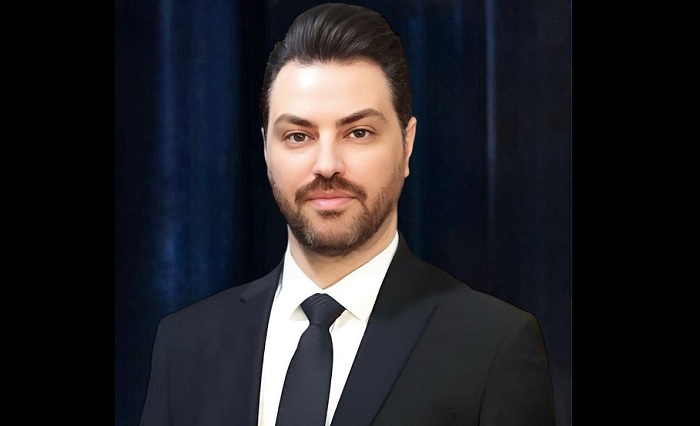
By Kawa Abban•
Today, April 24, 2026, people across Kurdistan once again find themselves grappling with the bitter memory of an appalling crime—one that still echoes through history. Back when the now-vanished Baath regime reigned, it unleashed a brutal assault on both the University of Sulaymaniyah and the resolute city of Qaladize.
This was no ordinary act of war; it was a deliberate effort to shatter a people’s spirit, to snuff out voices yearning for freedom, and to silence centers of knowledge and resistance all at once.
It was 9:45 in the morning, April 24, 1974. Without warning, regime aircraft swooped down and rained devastation. Sixteen bombs packed with napalm (a weapon banned by international law) slammed into their targets. No one was spared—not students or professors, not civilians or fighters. Institutions dedicated to learning were hit alongside bustling neighborhoods; no line was drawn between academia and everyday life.
But why revisit this horror? Because it was not some isolated misfortune; it fit neatly into a blood-soaked pattern aimed at breaking Kurdistan itself.
The strategy was clear: to exterminate Kurdish identity by attacking its pillars—its unity, its Peshmerga defenders, its scholars, and its youth, who stood together as living proof that struggle can walk hand in hand with enlightenment.
The human toll was staggering. One hundred sixty-three people lost their lives, and more than three hundred were wounded. Parts of Qaladize were reduced to rubble overnight, a city scarred so deeply that waves of terrified residents fled en masse.
Generations later, stories of those days are still told—the trauma has not faded like old paint on forgotten walls. And this massacre did not happen in a vacuum. It marked just one bloody chapter in an ongoing saga of oppression under Baathist rule, a regime infamous for trampling Kurdish rights time and again.
Case in point: on April 24, 1982—eight years after napalm scorched Qaladize—the townspeople took to the streets to honor their martyrs and denounce continued injustice. Their reward? Gunfire instead of answers; bullets where there should have been dialogue.
Many demonstrators paid dearly. Some were killed or maimed on the spot, while others vanished into prison cells during yet another crackdown designed to intimidate an unbreakable community.
Sadly, and perhaps predictably, the cruelty did not stop there. Fast forward to 1989: the same regime launched fresh campaigns across Kurdistan, targeting entire areas for forced displacement. Residents from Qaladize, along with villages like Pishdar, were herded into complexes such as Khabat, Daretuu, and Gewergosk (all within Erbil Governorate), as well as Bazian and other locations inside Sulaymaniyah Governorate. They lived under dehumanizing conditions, stripped of dignity and basic comfort—isolated without mercy.
For years afterward, Qaladize remained little more than ruins, a festering wound left open until hope finally flickered back during Kurdistan’s uprising in 1991. Slowly but surely, locals began reclaiming what had been stolen from them, rebuilding homes brick by painstaking brick, even as memories lingered like shadows at dusk.
To honor those sacrifices and ensure they are never forgotten, the Council of Ministers of the Kurdistan Region issued Order No. 2262 on March 4, 2013. From then onward, every April 24 would be observed as “University Martyr Day”—a moment each year when universities pause formal lessons to remember what happened in Qaladize through cultural gatherings and academic events, affirming a simple truth: what these martyrs endured was not just loss, but a spark of lasting awareness about dignity and belonging that refuses to fade.
So what matters today is not simply recalling tragedy for its own sake, but recognizing how these wounds have transformed into guiding lights for future generations across Kurdistan. Those lost lives are not mere statistics; they are symbols—reminding us that tyranny may scorch the earth, but can never truly erase faith or identity rooted deep within a people determined not only to survive, but to stand tall against any storm.
• Ambassador-at-Large at IIMSAM–United Nations