Rojava Artist Alin to Gulan: Artists Have Played a Crucial Role in Preserving Kurdish Language and Identity
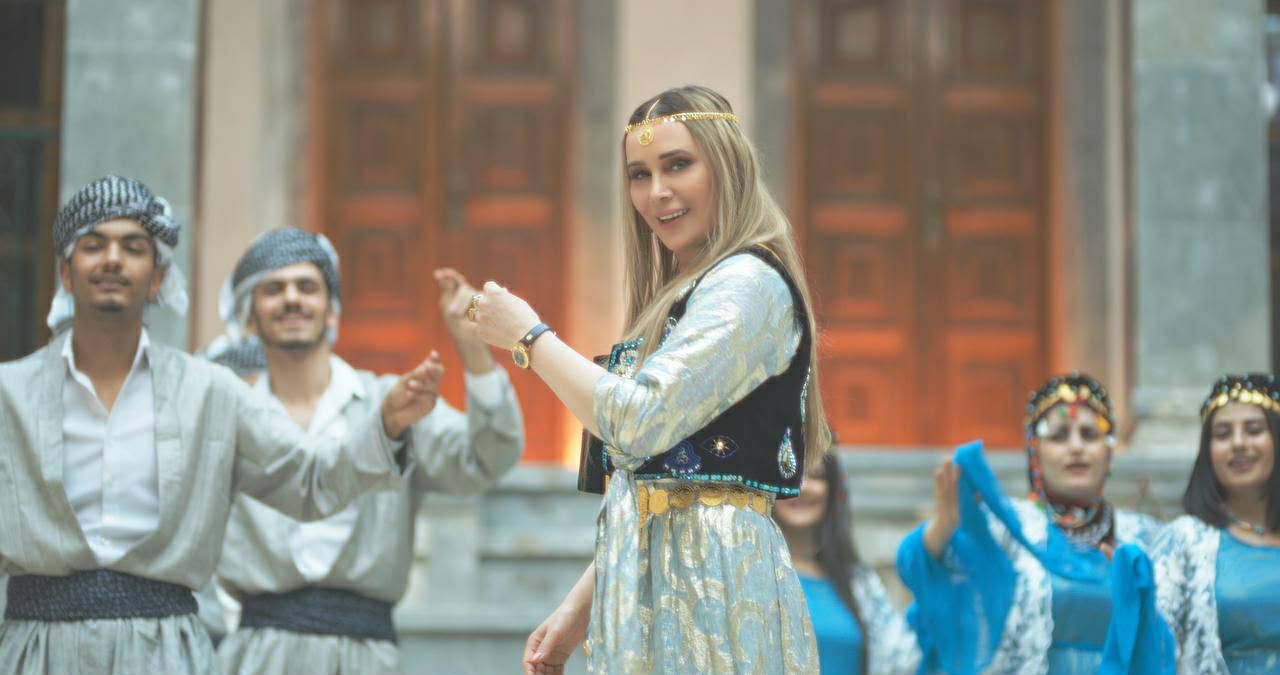
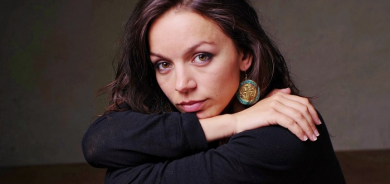
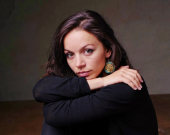
Alin is a Kurdish female artist from Rojava (Western Kurdistan) who has resided in Germany for many years. She places great emphasis on national and cultural aspects, and her music videos are characterized by high quality and a modern style. In an interview, we directed several questions to her regarding the role of artists in preserving national identity through art.
- Why is national unity considered the only guarantee for the survival of the Kurdish people?
For a nation like the Kurds, which lacks an independent state, unity is the sole tool for collective defense. When a people speak with one voice, the cost of occupation by adversaries becomes very high. Fragmentation leads to cultural erosion, but unity protects national identity against external threats.
- How does political and military unity force the international community to recognize Kurdish rights?
The international community and global powers operate based on interests and stability. If the Kurds are united, they become a reliable actor. When parties are fragmented, the world views it as an internal issue; however, when they are united, the world is forced to treat them as a political entity. Unity transforms Kurds from being subordinates into being partners.
- To what extent can a unified stance among Kurdish parties change the balance of power in the region?
Kurdistan is located in the heart of the Middle East. A unified Kurdish position can make the Kurds a key to solving regional problems and prevent Kurdish land from becoming a battlefield.
- What is the role of the media and educational institutions in sowing the seeds of unity?
This is called nation-building through "soft power," which happens in several ways. For example, in educational institutions, a shared history and common goals must be taught. The media must serve as a bridge to bring together the different dialects and cultures of the various parts of Kurdistan.
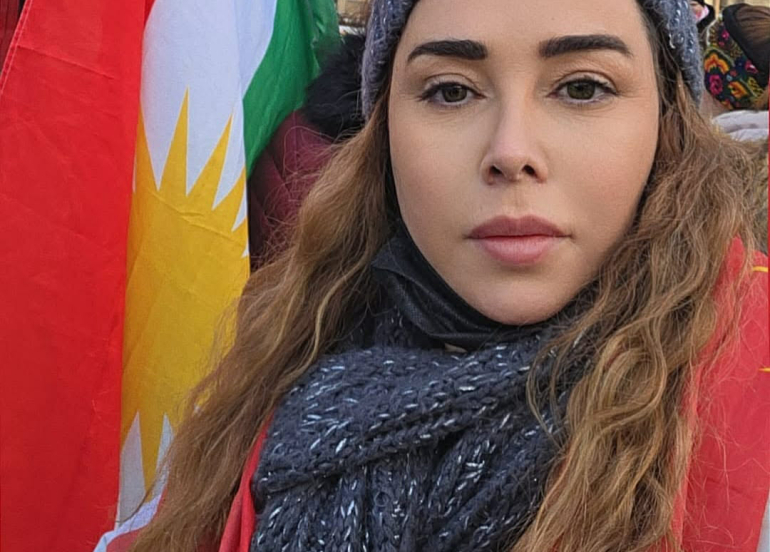
- What is the role of artists and intellectuals in this regard?
Intellectuals are the engineers of awareness, and artists are the guardians of emotion. Art can cross artificial borders and create a shared sense of national belonging. The intellectual must be a rational critic, preventing narrow interests from damaging social relationships.
- Have Kurdish artists been able to fulfill their duty in this regard?
Certainly. Artists have played a prominent and influential role in preserving language and identity. Especially during periods when the Kurdish language was banned, artists, singers, and poets became the guardians of the language. They did not allow Kurdish identity to vanish. Furthermore, art was the only tool capable of crossing borders, which allowed national anthems to serve as a primary catalyst for encouraging people to resist during wars and revolutions.
- What are the strategic goals of enemies in disrupting relations between the different parts of Kurdistan?
To prevent the emergence of a strong Kurdistan that would threaten the territorial integrity of the states among which the Kurds are divided, and to suppress any liberation movement in one part with the help of others, ensuring the Kurdish cause always remains a small internal issue.
- Why do enemies fear unity?
Enemies view Kurdish unity as detrimental to their interests, as it signifies an end to foreign intervention and the creation of a major military and economic power that cannot be easily defeated. They see it as the rise of the Kurdish voice in the world's decision-making centers.
Unity is not just an emotional slogan; it is a logical and scientific necessity for survival. In the global system, only those groups that can face challenges as a unified entity will endure.