Oz Katerji to Gulan: Iran’s Best Chance of Victory Is Simply to Outlast the U.S. and Israel
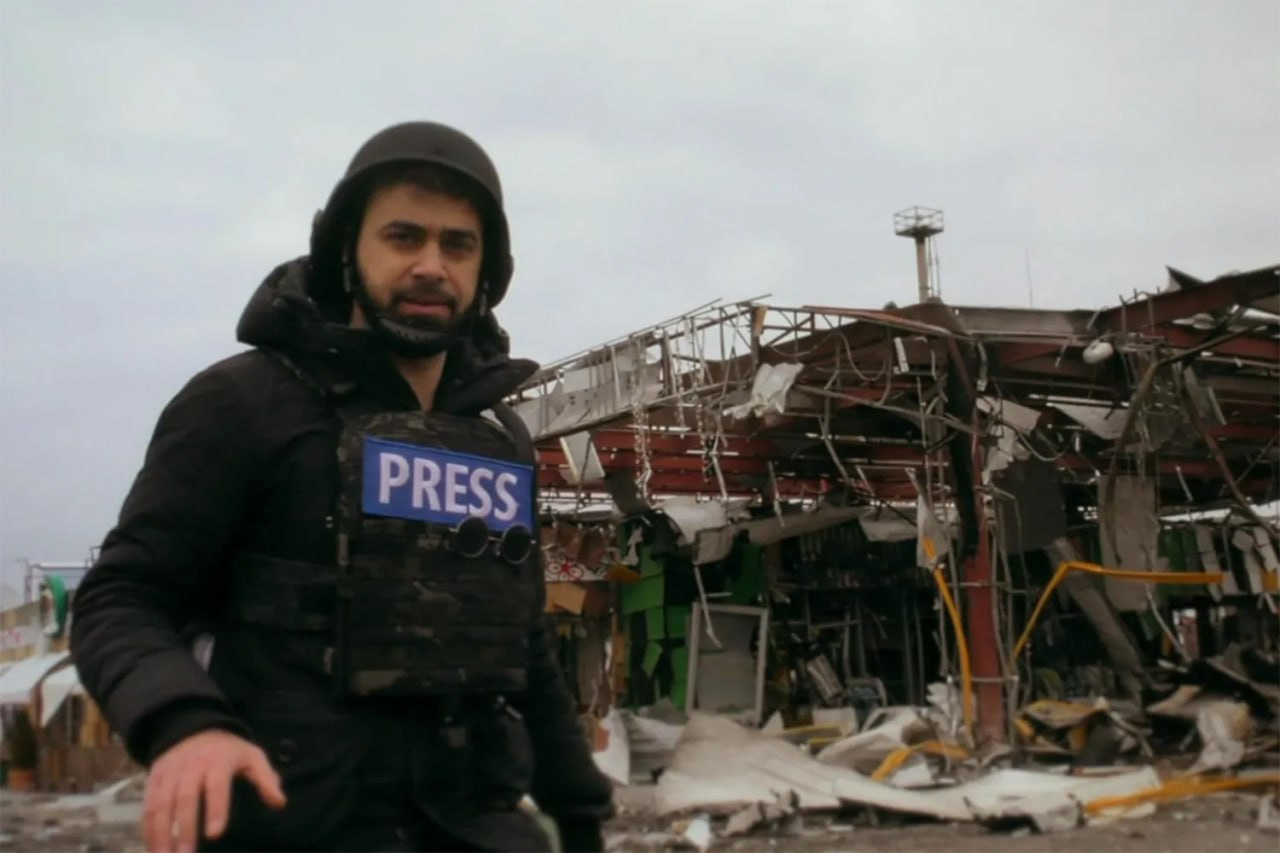
Oz Katerji is a British-Lebanese journalist and conflict analyst who writes on Middle Eastern geopolitics, authoritarian regimes, and modern warfare. His reporting has focused extensively on the Syrian conflict, Iranian regional influence, and international security issues, as well as on Russian invasion of Ukraine. Katerji is known for his sharp commentary on the strategic dynamics shaping conflicts across the Middle East and beyond.
Gulan: Recent developments suggest that the United States and Israel may not fully share the same strategic endgame in their confrontation with Iran, with differences emerging over targets, escalation, and long-term outcomes. Some analysts have even argued that Washington may have been drawn into the conflict under pressure from Israeli actions. From your perspective, do these dynamics reflect merely tactical disagreements, or do they point to a deeper strategic divergence between the two allies that could shape the future trajectory of the conflict?
Oz Katerji: I think the notion that there is a massive split between Israel and Washington over how to conduct the war in Iran is overblown in the press, but I do think there are strategic differences between Netanyahu and Trump, unfortunately it is quite hard to understand from the outside what Trump's motivations are because the US messaging on the conflict is an incoherent mess and trying to interpret policy from that is next to impossible.
Gulan: The current escalation has included direct strikes on Iranian military leadership, nuclear infrastructure, and even energy-related targets. Some argue that such a strategy is intended to weaken the regime or even pave the way for long-term political change. From your perspective, is this approach achieving its intended objectives, or does it risk producing the opposite effect by strengthening regime cohesion and resilience? Additionally, could these types of strikes provoke broader retaliation, particularly against Gulf states and energy infrastructure, thereby expanding the scope of the conflict?
Oz Katerji: I think we are already seeing broader retaliation from Iran in response to this, and while I acknowledge that this war is doing huge damage to the Iranian regime, I do not think it is bringing the downfall of that regime any closer, after more than one month of war there are no signs of any internal revolt taking place and all Iran has to do to declare a pyrrhic victory in this war is for the regime to outlast Israel and the US's military campaign, which they have a strong chance of doing if the US/Israel does not widen its approach beyond aerial bombardment.
Gulan: In your recent writing, you have argued that non-state actors such as Hezbollah may be weaker or more constrained than often perceived, particularly in moments of heightened confrontation. In the context of the current escalation involving Iran and its regional network, do you still see these actors as constrained, or are we witnessing a renewed capacity for escalation?
Oz Katerji: All of Iran's proxy militias are struggling to respond to this war, and their capacity to act as a deterrent against Israel has completely collapsed. Iran's only strategic asset so far has been its ability to close the Strait of Hormuz, which they have done without the need for any of their militias. Hezbollah in Lebanon may be responding to Israel's actions, but they are doing so at a far greater cost to themselves and to Lebanon than they were ever designed to, and the casualty numbers Hezbollah is suffering are unsustainable.
Gulan: Energy markets and global supply chains have already shown signs of strain during the current escalation, with oil prices rising and inflationary pressures re-emerging, particularly given the strategic importance of chokepoints such as the Strait of Hormuz. In this context, how significant is the energy dimension in shaping the trajectory of the conflict? Could the threat of restricting or closing the Strait of Hormuz serve as an effective form of strategic pressure on the United States and its allies, or are we overestimating its ability to alter their decisions?
Oz Katerji: The closure of the Strait of Hormuz, coupled with Iran's strikes on Gulf oil infrastructure, driving up costs for the global economy, represents Iran's theory of victory. Knowing that Iran cannot inflict significant economic or military damage against Israel or the United States, they have gambled on building international pressure against the US by driving up energy costs. While this may have a strong chance of achieving a strategic success, it is not without cost, because the Gulf states in the crossfire that previously had a non-hostile relationship with Iran will likely change their posture towards the regime permanently, raising significant new postbellum regional challenges for it.
Gulan: In your reporting on Ukraine, you have emphasized the importance of morale, logistics, and external support in shaping the course of war. When you look at the current Middle Eastern escalation, do you see similar dynamics at play, or is this fundamentally a different type of conflict?
Oz Katerji: Logistics are less of an issue in this conflict at the moment than Ukraine because much of it is taking place by air and sea, and the US and Israel have the capacity to keep their assets maintained in those theatres. Given the size of Iran, logistical challenges may become a factor if the US/Israel begin a significant ground campaign on Iranian soil.
Gulan: In the context of the current war and escalating tensions between Iran, Israel, and the United States, the Kurdistan Region of Iraq has not only been navigating between competing regional powers, but has also been directly affected by the conflict, including Iranian strikes and proxy attacks targeting areas within the Region, often aimed at U.S. positions. Given this reality, how do you assess the KRI’s diplomatic role in attempting to maintain neutrality and promote de-escalation? Can it still function as a stabilizing actor, or is it becoming increasingly constrained by the very pressures it is trying to balance?
Oz Katerji: I do not think the KRI is in a position to affect much diplomatically during this war, and should there not be a significant military reaction towards Iranian provocations, Iran and its proxies are likely to keep targeting Iraqi Kurdistan for the remainder of this conflict.
Gulan: Periods of heightened Iran–U.S. tension have often played out on Iraqi soil, including in areas close to or within the Kurdistan Region. From your perspective, what are the risks that the KRI could once again become an indirect arena for confrontation, and how might this affect its internal stability, security environment, and relations with Baghdad?
Oz Katerji: I think the KRI is facing a period of significant military threat and instability due to Iran's malign actions in Iraq, which it is unlikely to be able to deal with alone, and may political require coordination with non-Iran aligned factions in Baghdad to maintain the stability of the country during this crisis.
By Kobin Ferhad