Iraq and U.S. Discuss Counter-Terrorism, Syria Stability, and Government Formation in Baghdad Talks
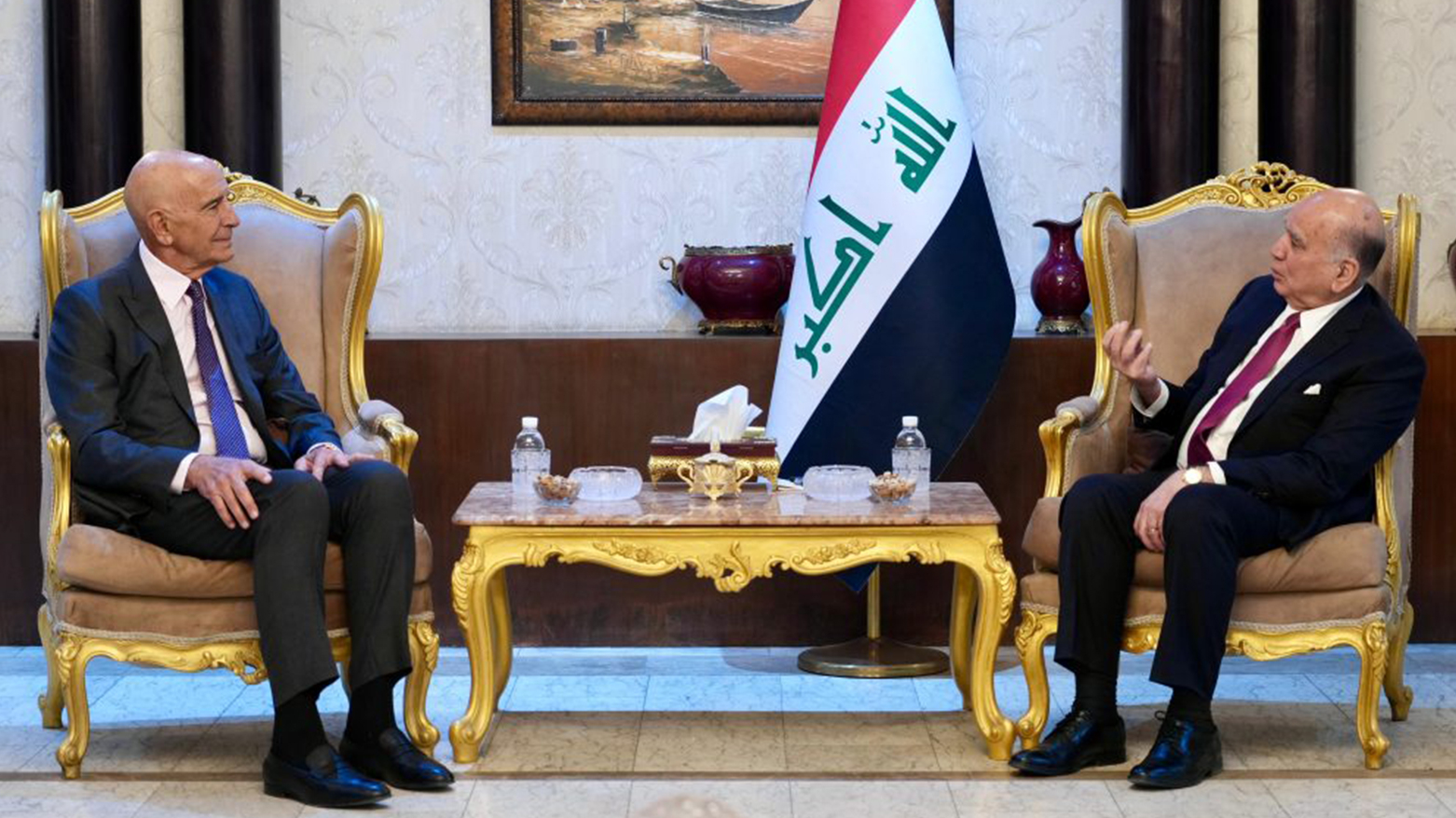
Fuad Hussein, Iraq’s Deputy Prime Minister and Foreign Minister, met Monday in Baghdad with Tom Barrack, the U.S. Special Envoy for Syria, and his delegation to discuss bilateral ties, regional security, and Iraq’s ongoing government formation process, according to an official statement from the Iraqi Foreign Ministry.
The talks focused on strengthening cooperation between Iraq and the United States, particularly in counter-terrorism efforts and intelligence coordination. Both sides emphasized the importance of sustained engagement to address shared security challenges and promote regional stability.
U.S. officials expressed appreciation for Iraq’s recent steps to transfer ISIS detainees from facilities abroad to Iraqi prisons, describing the move as an affirmation of Iraq’s sovereignty and legal responsibilities. Minister Hussein confirmed that Baghdad continues to coordinate with several countries to repatriate their nationals implicated in terrorism cases.
He specifically welcomed the cooperation of Türkiye in agreeing to receive Turkish nationals among the detainees, calling it an important step toward broader international collaboration on counter-terrorism.
Discussions also covered practical mechanisms for prosecuting foreign fighters in accordance with Iraqi law and international obligations, underscoring Iraq’s commitment to due process and border security.
The meeting addressed recent developments in Syria, including the agreement between the Syrian Democratic Forces (SDF) and Syria’s transitional government. Both sides voiced support for the implementation of the agreement, highlighting its importance for stability in northern and eastern Syria and its implications for Iraqi national security.
Officials noted that stability in Syria is closely linked to Iraq’s own efforts to contain cross-border terrorist threats and prevent regional escalation.
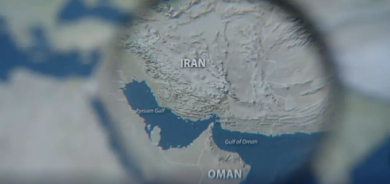
Minister Hussein also addressed ongoing negotiations between the United States and Iran, warning of the potential regional consequences of renewed conflict. He reiterated Iraq’s preference for a peaceful resolution and expressed support for the next round of talks scheduled in Geneva, mediated by Oman, involving representatives from Washington and Tehran.
The discussions extended to Iraq’s domestic political developments, particularly the formation of a new government and nominations for key leadership positions within the Council of Ministers and the presidency.
While Barrack outlined the American perspective, Hussein stressed that government formation remains an internal Iraqi matter. He added, however, that Iraq values the perspectives of its international partners, especially the United States, and seeks to ensure that the forthcoming government maintains constructive relations abroad.
The meeting follows similar high-level engagements. On Sunday, Prime Minister Mohammed Shia al-Sudani met with Barrack to discuss Iraq’s role in promoting dialogue and diplomatic solutions in Syria, as well as broader regional de-escalation efforts.
The talks come amid ongoing political deliberations within Iraq. Nouri al-Maliki, leader of the State of Law Coalition, has presented his vision for a democratic and civil state built on internal reform and strengthened international partnerships. However, his potential candidacy for prime minister remains under discussion due to objections from various domestic, regional, and international actors.
Analysts suggest that internal debates within the Coordination Framework reflect broader attempts by Iraqi political forces to resolve political deadlock, complete constitutional procedures, and form the next government.
Both Iraqi and U.S. officials reaffirmed their commitment to sustained dialogue, intelligence sharing, and joint counter-terrorism operations during what they described as a sensitive phase for Iraq and the wider region.
The Foreign Ministry stated that continued coordination with Washington and other international partners will remain essential to supporting Iraq’s sovereignty, strengthening regional security, and advancing long-term stability.