16 Arrested in Sulaimani as Authorities Seize Banned Furaltadone Shipments from Poultry Farms
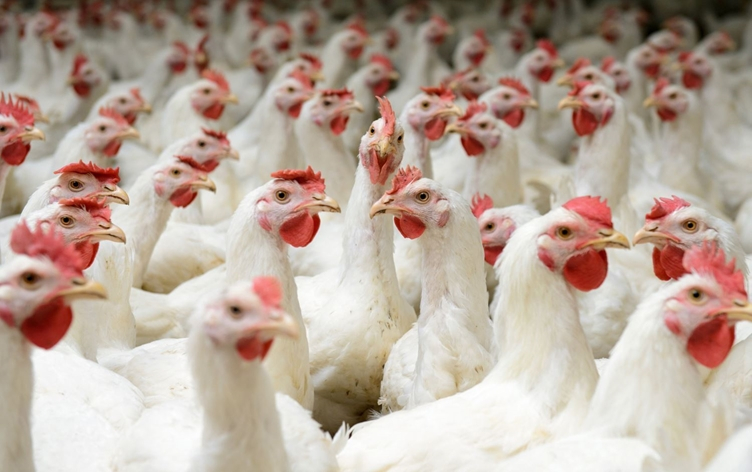
Authorities in the Kurdistan Region have seized shipments of a banned veterinary drug allegedly used in a limited number of poultry farms in Sulaimani province, following an investigation aired on Lagal Ranj, a flagship program on Rudaw Media Network.
During Sunday’s episode, lead anchor Ranj Sangawi reported that the substance, identified as Furaltadone, had been imported in containers labeled “Super Max” and distributed to farms despite being officially prohibited by the Kurdistan Region’s Ministry of Agriculture. The report cited a document obtained by the broadcaster.
Furaltadone is a nitrofuran-class antibiotic banned for use in food-producing animals in the United States and the European Union for decades due to evidence that its residues may be carcinogenic and mutagenic. International food safety standards require zero tolerance for nitrofuran residues in meat and eggs intended for human consumption.
The Sulaimani-based Kurdistan Region Security Agency (Asayish) confiscated the drug before chickens treated with it reached the market.
Karzan Sherko, spokesperson for the Asayish, told the program that the chickens given the drug “were seized before they were put on the market,” adding that 16 suspects had been arrested in connection with the case.
According to the investigation, the drug was concealed in differently labeled containers and passed through quality control procedures at the Kurdistan Region’s border crossings.
A detained veterinarian admitted to using and distributing the drug. In an interview aired on the program, he said he initially did not realize its nature but later became aware of the risks. He stated that pressure from a company owner influenced his actions, adding that he regretted his decision and acknowledged betraying his professional oath.
Another detainee, identified as the owner of a poultry medicine company, told the broadcaster that two shipments had been imported and cleared inspections. He claimed he did not know the drug’s full health risks until his arrest and alleged that the substance was present in multiple cities, districts, and sub-districts, along with other banned drugs.
Medical and food safety experts interviewed during the program warned of serious health consequences. Dara Mohammed, a specialist in food analysis and quality control, said laboratory studies have shown that Furaltadone damages DNA and has mutagenic properties. He noted that in animal testing, it has been linked to cancer because it binds to meat tissue. “The tolerance for this drug must be zero percent,” he said.
Faraidoun Hamad Qadir, director of the animal health department at the Kurdistan Region’s Ministry of Agriculture, confirmed during the program that Furaltadone is officially banned. He commended the Asayish for the arrests and stated that any chickens treated with the drug must be destroyed through scientific and legal procedures.
However, Qadir noted that his department had not yet received formal documentation related to the specific case. He said that if confirmed through official channels, the ministry would ensure the destruction of affected poultry in accordance with the law.
Industry representatives sought to limit the scope of the issue. Zryan Mustafa, deputy head of the Kurdistan Poultry Association, said that out of 2,010 poultry farms operating in the Kurdistan Region, only five or six were reported to have used the banned drug. He emphasized that not all farms should be implicated and noted that only Formalin and Furaltadone have been banned by government decrees.
Some poultry farm owners rejected broader allegations. Muhsin Ahmed, a farm owner who appeared on the program, described the controversy as propaganda driven by competition within the meat market.
Veterinarian Yasa Shwan stated that most farms operate under professional supervision and would not knowingly use such substances. She argued that conscientious practitioners would not endanger public health, as poultry products ultimately reach their own families’ tables.
The Ministry of Agriculture announced further inspections. Qadir said the ministry would send official correspondence to Sulaimani authorities and form commissions to visit clinics, companies, and warehouses to conduct thorough follow-ups.