Iraq Resumes Iranian Gas Imports, Restarts Key Power Plants
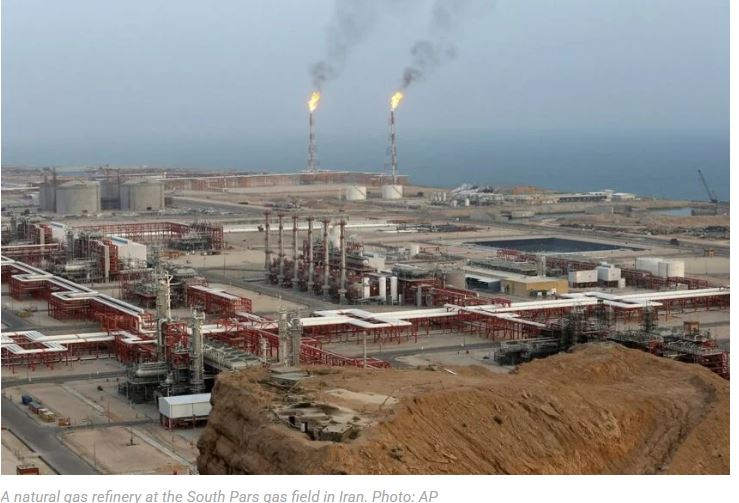
The Iraqi Ministry of Electricity has announced the resumption of natural gas imports from Iran, restoring fuel supplies to several major power plants after a suspension that lasted more than two months and significantly reduced electricity generation across the country.
Ministry spokesperson Ahmed Musa said on Thursday that gas is now flowing at a rate of seven million cubic meters per day. The renewed supply is expected to stabilize the national grid and improve daily electricity provision in multiple provinces.
The restored imports have enabled operations to resume at the Basmaya Power Plant and the Mansouriyah Power Plant in Diyala province. Both facilities had been severely impacted by the disruption in gas supplies. Officials said their return to service has helped recover a substantial portion of the lost generating capacity.
The suspension began on December 23, 2025, when Iranian exports were halted due to what Iraqi authorities described as an “emergency situation.” The stoppage resulted in the loss of between 4,000 and 4,500 megawatts of electricity production, sharply reducing daily supply hours for households and businesses nationwide.
The resumption of imports comes amid a complex legal and diplomatic environment. Iraq’s continued purchase of Iranian gas remains technically in violation of longstanding U.S. sanctions aimed at restricting energy transactions with Tehran. In the past, United States authorities have granted Iraq temporary waivers—short-term exemptions allowing Baghdad to pay for Iranian energy without triggering secondary sanctions.
As of Thursday, Washington had not issued an official statement regarding the renewed gas flows. The absence of an immediate public response has prompted questions among observers about the current status of these waiver arrangements.
Iraq remains heavily dependent on Iranian gas to fuel its power generation infrastructure, particularly during peak demand periods. The recent disruption underscored the country’s structural reliance on external energy supplies, even as Baghdad advances long-term plans to expand domestic gas capture and improve self-sufficiency.
Musa said the ministry is proceeding with scheduled maintenance and expansion projects in preparation for the summer season, when temperatures frequently exceed 45°C and electricity demand surges.
He added that coordination between the Ministry of Electricity and the Ministry of Oil is being strengthened to maximize the use of domestically produced gas. While the restoration of Iranian imports provides short-term relief, energy shortages continue to fuel public frustration, placing pressure on the government to secure a more sustainable and independent energy strategy.