Coordination Framework to Decide on Maliki’s Premiership Bid Amid U.S. Opposition and Internal Divisions
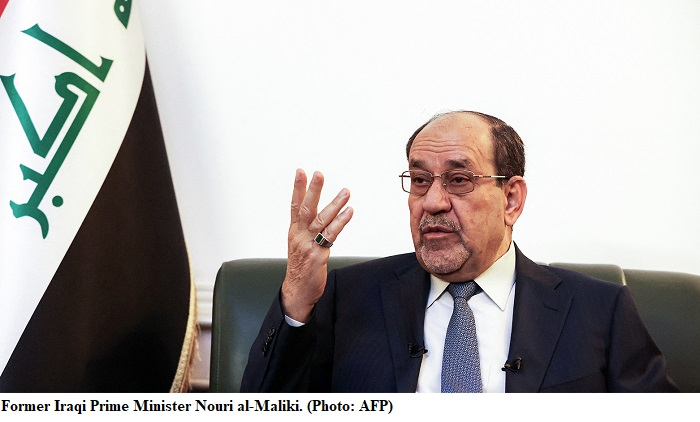
Iraq’s powerful Shiite alliance, the Coordination Framework, is set to convene next week to determine the fate of Nouri al-Maliki’s candidacy for prime minister, amid mounting internal disagreements and escalating external pressure, particularly from the United States.
Ali al-Difai, spokesperson for the Islamic Supreme Council of Iraq, confirmed that the alliance will meet Monday to address both the nomination for prime minister and the ongoing presidential election process. The session is expected to settle whether Maliki will remain the bloc’s official nominee for the post of President of the Council of Ministers.
Maliki currently stands as the sole confirmed candidate from the Coordination Framework, but his nomination has sparked divisions within the alliance. While some leaders continue to back him, others have raised objections, creating a political impasse following Iraq’s November 2025 parliamentary elections.
Aqeel Fatlawi, spokesperson for the State of Law Coalition, stressed that Maliki’s candidacy “remains, up to this moment, the decision of the Coordination Framework and not just the State of Law Coalition alone.” However, dissenting voices have emerged from within the bloc, including Ammar al-Hakim of the Hikma Movement and Qais al-Khazali of the Sadiqoun bloc, both of whom have expressed opposition to Maliki’s return.
Haider Barzanji, head of the Naram Sen Foundation for Dialogue and Community Development, warned that the alliance must maintain flexibility in candidate selection, particularly in light of ongoing U.S.–Iran tensions. “If U.S.–Iran negotiations do not succeed, they cannot remain idle,” he said, suggesting that alternative candidates may need to be considered to avoid political paralysis.
The debate over Maliki’s candidacy has been amplified by firm signals from Washington. A senior White House official reiterated support for Iraq’s stability but rejected the prospect of a Maliki-led government, warning that a cabinet perceived as influenced by Iran would undermine Iraq’s national interests and bilateral partnerships.
Marco Rubio reportedly communicated directly with Prime Minister Mohammed Shia al-Sudani, cautioning that sanctions could target Iraqi individuals and institutions if Maliki’s nomination proceeds. Potential measures under discussion include restrictions on access to U.S. dollar reserves and limitations on Iraqi oil revenues held in New York.
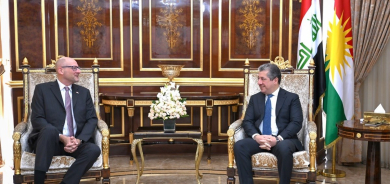
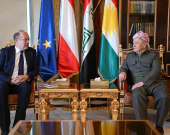
Meanwhile, U.S. Special Envoy Tom Barrack met Iraqi officials to emphasize the need for effective leadership aligned with stabilization policies, warning against any government formed under “external dominance.”
In an interview with Agence France-Presse earlier this week, Maliki reaffirmed that he would not withdraw from the race. He pledged that any government under his leadership would protect diplomatic missions and maintain balanced foreign relations.
“All countries can be assured that we will prevent any violation against their embassies or officially recognized interests in Iraq,” he said, emphasizing his commitment to safeguarding Iraq’s sovereignty and preventing attacks on foreign missions.
Maliki outlined priorities including the consolidation of state military authority, centralized oil management, and a foreign policy grounded in mutual respect with both the United States and Iran.
Within the Coordination Framework, smaller trilateral and quadrilateral consultations are ongoing in an effort to bridge differences. Aqeel al-Rudaini, spokesperson for the Nasr Alliance, acknowledged that no consensus has yet been reached.
Sources indicate that Prime Minister Sudani has privately urged a reassessment of the nomination process, reportedly informing Maliki that he would not support his bid if it continues to divide the alliance.
At the same time, National Security Advisor Qasim al-Araji convened an urgent security meeting to assess potential regional spillover effects, underscoring concerns that political deadlock could intersect with broader security risks.
References to past guidance from Ali al-Sistani have also resurfaced during internal discussions, though officials clarified that no new position has been issued regarding the current nomination.
The upcoming meeting of the Coordination Framework is expected to determine whether Maliki remains its nominee or whether an alternative candidate will be designated in an effort to break the deadlock.
The decision is widely seen as pivotal for Iraq’s political trajectory, as leaders navigate internal divisions, regional dynamics, and international pressure in the formation of the country’s next government.