Regional Meeting on Strait of Hormuz Postponed at Saudi Arabia’s Request
A planned regional meeting on the future security and navigation of the Strait of Hormuz has been postponed following a request from Saudi Arabia, Iranian officials said Sunday.
The meeting, scheduled to take place Monday in Salalah, Oman, was expected to bring together Iran, Iraq, Oman and several Gulf Arab states to discuss maritime security and regional cooperation amid escalating tensions surrounding the strategic waterway.
Omani Foreign Minister Badr Albusaidi confirmed the postponement, saying the decision was intended to create conditions more conducive to constructive dialogue. Oman remains committed to promoting regional stability and sustained cooperation, he said.
Iranian Foreign Ministry spokesperson Esmaeil Baghaei said the postponement had been requested by several regional countries and agreed upon by Tehran and Muscat. Mohammad Ali Bek, Iran’s director general for Gulf affairs, said the two countries were coordinating to determine a new date.
Saudi Arabia has not publicly confirmed that it requested the postponement.
The meeting was originally expected to include Iran, Oman, Iraq and the five remaining members of the Gulf Cooperation Council — Saudi Arabia, the United Arab Emirates, Kuwait, Qatar and Bahrain. Bahrain had already said it would not attend following Iranian attacks on its territory.
Iraqi Foreign Minister Fuad Hussein reaffirmed Baghdad’s support for the talks on Saturday, saying an Iraqi delegation would take part in the meeting.
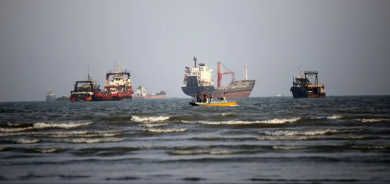
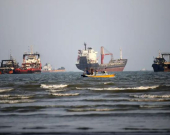
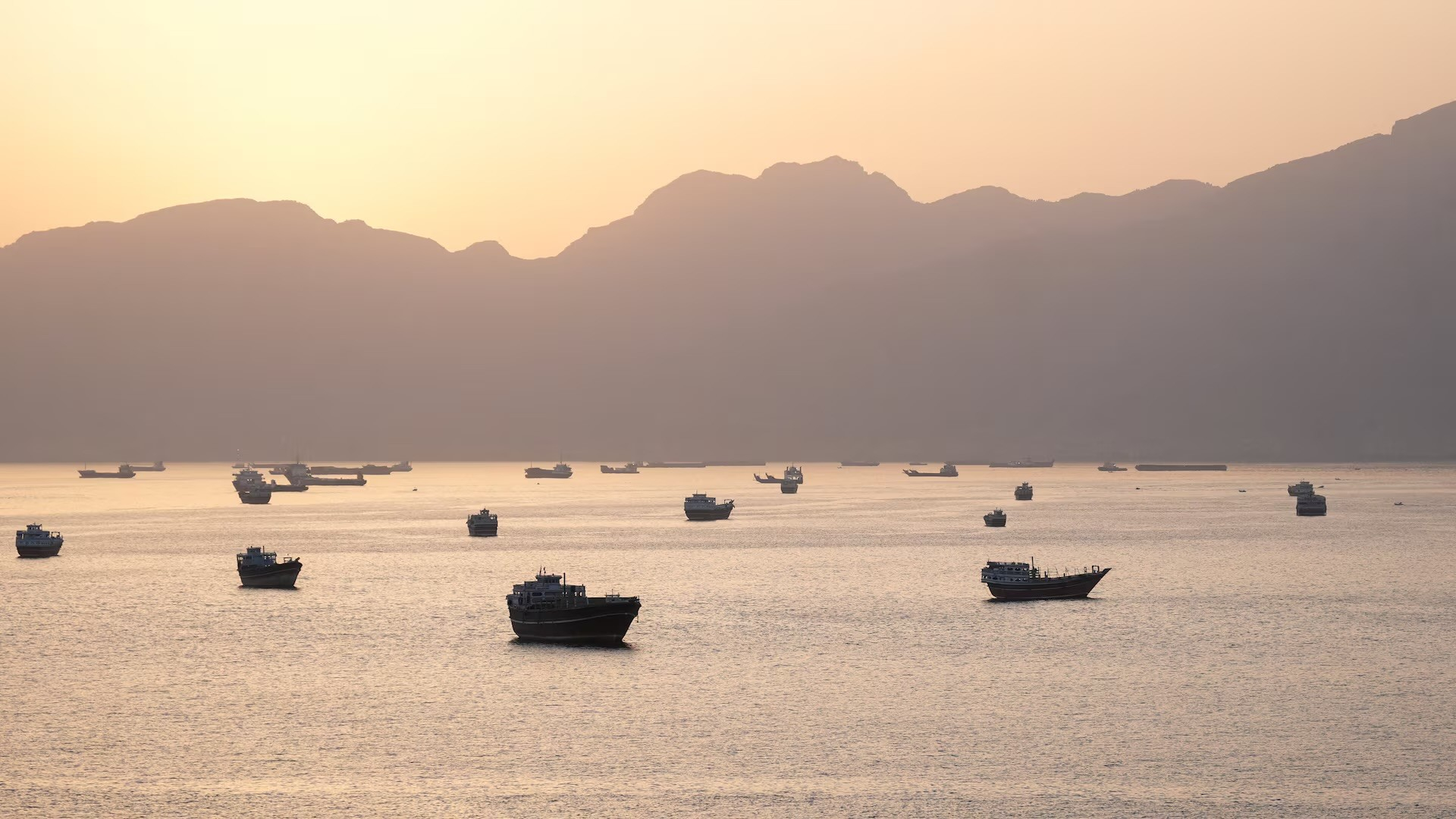
The proposed dialogue comes as tensions around the Strait of Hormuz remain high. The strategic waterway is a major route for global oil and liquefied natural gas shipments, and maritime traffic has been severely disrupted since the escalation of military hostilities between the United States and Iran on February 28.
Iranian Foreign Minister Abbas Araqchi said Sunday that an understanding reached between Tehran and Muscat regarding a new maritime route through the strait should not be interpreted as a reopening of the waterway to normal maritime traffic.
Meanwhile, CNN, citing a source familiar with the proposal, reported that Oman had suggested voluntary payments in return for maritime and environmental security measures in the strait. The proposal reportedly followed Iran’s earlier demand for mandatory fees, which was rejected.
Iranian state news agency IRNA had described the planned meeting as a possible first step toward establishing a regional framework for security cooperation in the Gulf. Baghaei said the talks could lay the groundwork for greater regional stability and security.