Kobane Declares Day of Mourning After Deadly Prison Fire and Rising Tensions
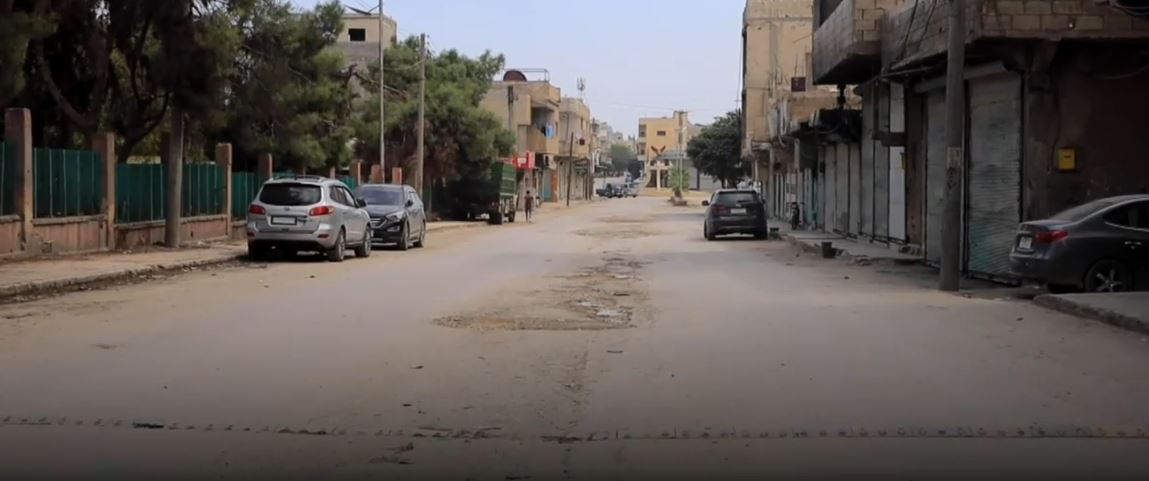
The Kurdish city of Kobane in northern Syria observed its first day of general mourning on Sunday, as shops remained largely closed and residents expressed grief and anger following days of protests and a deadly fire at the city’s main prison.
The mourning was declared after the killing of Sipan Hizni, a Kurdish member of a Syrian army brigade, near Hasaka and the subsequent detention of several protesters. Tensions intensified when the detainees were transferred to Kobane’s main prison and were informed that they would be moved to government-controlled areas in Aleppo.
Hizni was reportedly killed by armed men believed to be affiliated with a prominent Arab clan. Anger spread after authorities identified the main suspect but failed to arrest him, fueling demonstrations and demands for accountability.
Residents described an increasingly tense atmosphere in Kobane, warning that continued unrest could further destabilize the city.
The situation deteriorated when a fire broke out inside the prison as detainees resisted plans to transfer them to Aleppo. At least nine prisoners were killed and 17 others injured, according to medical officials. Several of the wounded remain in critical condition.
Relatives of the victims said prisoners had strongly resisted the transfer, insisting that they would rather remain in Kobane than be moved elsewhere. Families have also called for a full investigation into the circumstances surrounding the fire and for those responsible to be held accountable.
Hospitals across Kobane have been treating victims of the blaze, with some patients requiring intensive care and mechanical ventilation. Medical officials said some critically injured prisoners were transferred to Aleppo for further treatment.
The unrest comes amid a wider security and political transition in northeastern Syria following the dissolution of the Kurdish-led Syrian Democratic Forces (SDF) in August and the reorganization of its personnel into brigades affiliated with the Syrian military.
Under a political agreement, Kurdish representatives have been granted advisory and parliamentary roles within the interim administration led by President Ahmed al-Sharaa. However, tensions among Kurdish communities, state security forces and Arab tribal groups continue to pose a significant challenge to stability in northeastern Syria.