Iran Executed 89 Prisoners and Arrested 117 People in August, Rights Group Says
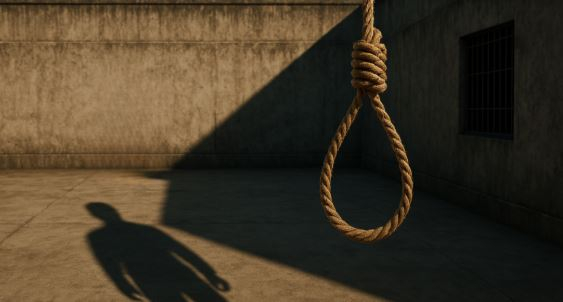
Iran executed at least 89 prisoners and arrested 117 people in August 2026, according to the Hengaw Organization for Human Rights, as rights groups warn of intensified repression against political opponents, activists and protesters.
Hengaw said six of those executed were political prisoners or prisoners of conscience, while 13 of the 88 prisoners whose identities were verified were Kurds. The organization said the August figure represented a 33 percent increase from July, when at least 67 executions were recorded.
The rights group said it has documented 531 verifiable executions across Iran during the first eight months of 2026. It also reported that Iran carried out at least 1,858 executions in 2025, involving charges ranging from criminal offenses to allegations of political activity and opposition to the state.
Hengaw separately reported that Iranian security forces arrested 117 people in August, including 75 Kurds, meaning Kurds accounted for about 64 percent of the documented arrests.
Those detained included civil and environmental activists, former political prisoners, women, artists and family members of political activists. Hengaw also recorded the arrests of 20 women activists, two minors, one writer and two artists.
The organization documented 45 arrests involving people from West Azerbaijan province, 20 from Sanandaj and eight from Ilam province, all identified as Kurdish cases.
According to Hengaw, several political prisoners were executed in August on charges including espionage and “waging war against God.” Rights groups say the use of death sentences has increased amid heightened tensions and the authorities' broader crackdown on dissent.
The United Nations and Amnesty International have previously criticized Iran's extensive use of the death penalty and what they describe as increasingly severe repression of dissent, including arbitrary arrests, accelerated judicial proceedings and lengthy prison sentences.
The crackdown has also extended to protesters. In late August, Iranian authorities reportedly carried out floggings against two female Kurdish activists before transferring them to prison in connection with their alleged participation in January's anti-government protests.
The arrests and executions came as Iran faced continuing political and economic pressure. The country experienced rising fuel prices in August and faced additional US sanctions targeting Iranian revenue sources and military capabilities.
Iran also underwent a major leadership reshuffle, with senior military figures taking prominent positions. Judiciary chief Gholam-Hossein Mohseni Ejei warned that authorities would respond more forcefully to activities deemed a threat to national security.
US President Donald Trump has also claimed that Iranian authorities are suppressing further protests through deadly force, arguing that protesters have been deterred by the prospect of being killed.