Europe Reconsiders Landmine Ban Amid Russia-Ukraine War
The use of anti-personnel landmines is once again becoming a major security and humanitarian concern in Europe as the Russia-Ukraine war prompts several countries to reconsider their commitments to the international treaty banning the weapons.
More than 5,000 people, mostly civilians, were killed or injured by landmines and unexploded ordnance in 2025, according to a preliminary analysis by the Landmine and Cluster Munition Monitor. Children were among those particularly affected, with 90% of landmine victims in South Sudan last year reportedly being children.
The dangers of landmines can remain for decades after conflicts end. In Pakistan, 12-year-old Raheela Bibi lost both hands after a landmine exploded while she was playing with her siblings in August 2020. Her sister suffered a serious leg injury, while her brother was injured in the eye.
The international community made significant progress in banning anti-personnel mines in the 1990s. In 1997, more than 120 countries signed the Ottawa Treaty, which became legally binding in 1999. A total of 166 countries have since ratified the treaty, although major powers including Russia, the United States, China and India have not.
However, the war in Ukraine has weakened the agreement in Europe. Poland, Finland, Latvia, Lithuania and Estonia have withdrawn from the treaty, citing growing security concerns over Russia. Ukraine has also announced its withdrawal, although its departure is not expected to take legal effect until the war ends.
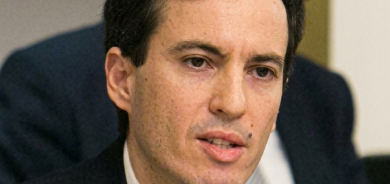
The decision has raised concerns among arms-control experts. Simone Wisotzki of the Leibniz Peace Research Institute said the withdrawals could set a dangerous precedent and encourage other countries to abandon the treaty during times of conflict.
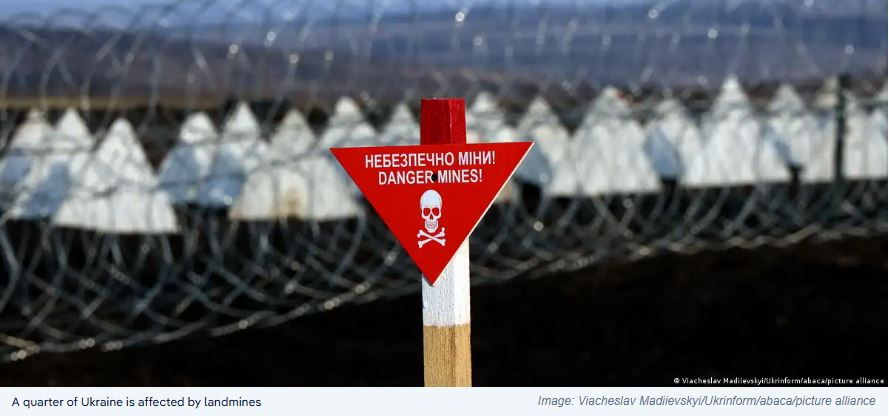
Ukraine says its decision was driven by Russia's use of landmines, arguing that it cannot remain restricted by the treaty while facing an opponent that is not bound by it. The United Nations Mine Action Service estimates that about 25% of Ukraine was affected by landmines and explosive ordnance by mid-2025. More than 1,150 civilians have reportedly been killed or injured by mines and explosive remnants of war since February 2022.
The humanitarian cost of clearing the mines is also enormous. The UN estimates that completely demining Ukraine could cost nearly $35 billion over a period of 10 years.
European countries withdrawing from the treaty say landmines could be necessary to protect their borders. Poland has indicated that it wants the ability to rapidly mine its eastern border if required, while Lithuania has announced plans to resume the production and purchase of landmines.
Experts, however, warn that modern mines can be increasingly difficult to locate and remove because some contain sensors and other advanced technologies. Even when accurately mapped, mines can remain a threat to civilians long after fighting has ended.
The renewed debate over landmines comes amid a broader decline in international arms-control agreements. Several major US-Russian arms-control treaties have expired or been terminated in recent years, including the Intermediate-Range Nuclear Forces Treaty, New START and the Open Skies Treaty. Russia's withdrawal from the Conventional Armed Forces in Europe Treaty has also weakened conventional arms control on the continent.
Wisotzki warned that humanitarian arms control, once considered one of the few areas where international cooperation was still functioning, is now also under growing pressure.