Israeli and Syrian Officials Hold Talks to Ease Rising Tensions
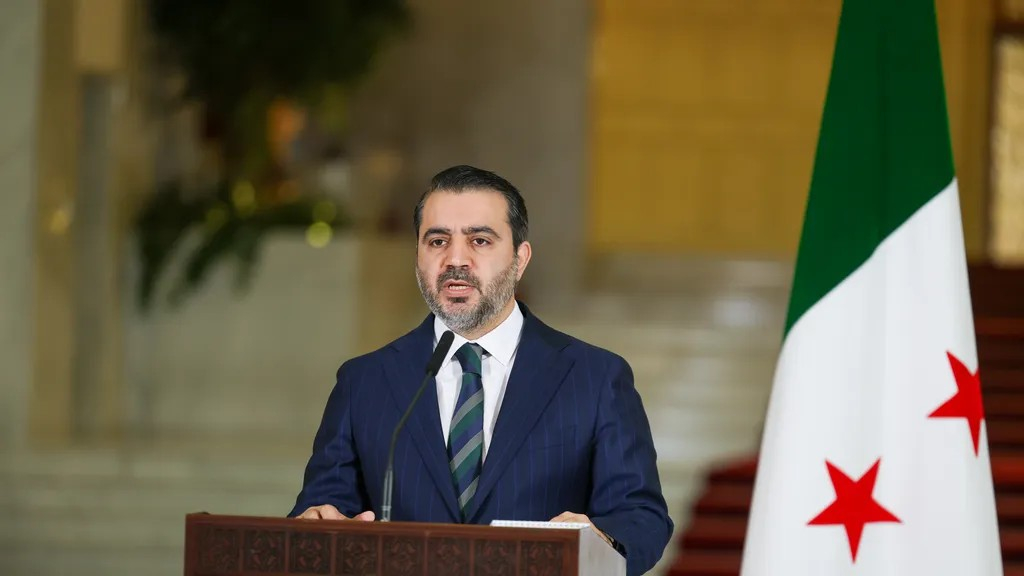
Senior Israeli and Syrian officials met Sunday in an effort to ease tensions following an Israeli airstrike on a Syrian military airbase, according to Axios.
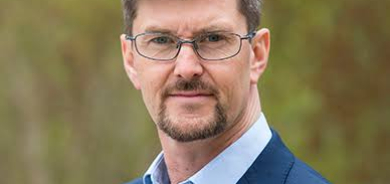
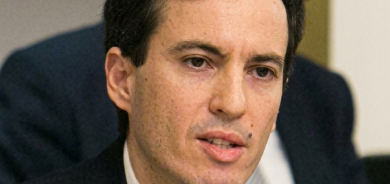
Syrian Foreign Minister Asaad al-Shaibani met with Roman Gofman, director of Israel’s Mossad intelligence agency, several days after Israel carried out an airstrike on the Abu al-Duhur airbase in northern Syria. The attack has sharply increased tensions between Damascus and Tel Aviv.
The meeting took place amid U.S.-led diplomatic efforts to prevent further escalation and revive direct negotiations between Syria and Israel.
Israel launched the strike on Tuesday, hitting runways and hangars at the airbase, which is located about 45 miles (72 kilometers) from the Turkish border. Israeli officials said the operation was aimed at preventing what they described as a planned Turkish military buildup at the facility.
According to Israeli authorities, intelligence indicated that Turkey was preparing to deploy drones and a radar system at the base. Israel had reportedly warned that it would take military action if the preparations continued.
Syrian officials, however, denied that Damascus intended to allow Turkey to establish a military base or maintain a permanent military presence at Abu al-Duhur. Al-Shaibani said Turkish military officers had visited the facility as part of existing military cooperation, including training and the exchange of expertise.
The Syrian foreign minister said Damascus had communicated its position to Israel before the strike but failed to persuade the Israeli government to halt the operation.
The attack has added to the security challenges facing Syria, where Turkey maintains close military and political ties with the new Syrian government, while Israel continues to seek to prevent potential military threats near its borders.
U.S. officials have been working to contain the dispute. U.S. envoy Tom Barrack and other senior Trump administration officials have urged Israel, Turkey and Syria to return to negotiations and resolve their differences through diplomatic dialogue.
Al-Shaibani said Syria remained ready to negotiate with Israel on de-escalation and a new security arrangement, but stressed that responsibility for reducing tensions should not rest solely with Damascus.
“Israel must also reassess its policy towards Syria,” al-Shaibani said, warning that continued Israeli military operations could increase instability rather than provide long-term security.