Iran Condemns US Sanctions Threats, Warns of Growing Regional Tensions
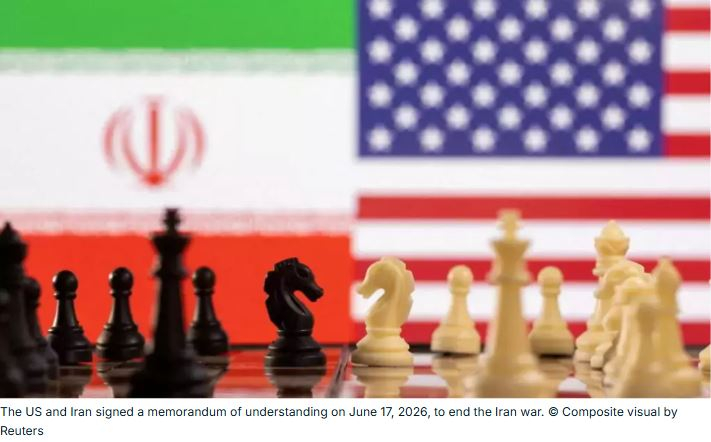
Iran has condemned the latest threats of US economic sanctions, accusing Washington of attempting to impose its will on independent states and warning that continued economic pressure, combined with maritime measures, could further undermine international stability.
Iranian Foreign Ministry spokesperson Esmail Baghaei said on Saturday that no government had the right to force foreign banks, companies or airports to abandon what he described as lawful trade with another country.
“No government has the right to force foreign banks, companies or airports to stop lawful trade with another country,” Baghaei said in a post on X.
He argued that such institutions operate under the jurisdiction and sovereignty of their respective countries and said US secondary sanctions had no basis in international law.
Baghaei accused Washington of violating the principle of sovereign equality enshrined in Article 2 of the United Nations Charter and of using economic coercion to pressure an independent government into changing what Tehran considers legitimate political decisions.
“When these sanctions are combined with a naval blockade, the sovereignty of other countries is reduced to a temporary and conditional status at the will of an external power,” he said.
The Iranian spokesperson warned that yielding to such pressure would not necessarily protect countries from future coercion and could instead contribute to what he described as a dangerous erosion of national sovereignty.
The comments came a day after US President Donald Trump threatened to impose what he called “severe economic measures” against Iran, promising an unprecedented campaign of economic warfare and isolation. Trump did not provide details about the measures under consideration.
US Treasury Secretary Scott Bessent also said that Iran could face what he described as the “largest organized economic isolation in the history of the world.” He warned that Washington could impose secondary sanctions on countries and companies that continue to conduct business with Iran.
Although Bessent did not name specific countries, China and India are among Iran’s major oil customers and could face increased scrutiny if Washington expands its secondary sanctions.
Meanwhile, Iranian military spokesman Amir Mohammad Akrami-Nia said a recent agreement involving Saudi Arabia, Turkey and Pakistan demonstrated what he described as a declining US influence in the region.
Speaking to Iran’s official IRNA news agency, Akrami-Nia said the development of independent security and defence mechanisms among the three countries without US participation reflected Washington’s diminishing regional role.
“We are witnessing the retreat of the United States,” he said, according to IRNA.
Akrami-Nia also described recent conflicts as an important test for Iran’s armed forces, saying the government had provided extensive financial and logistical support to the military during the fighting.
He said one of the major consequences of the conflict had been increased national unity around Iran’s leadership and the Islamic Republic.
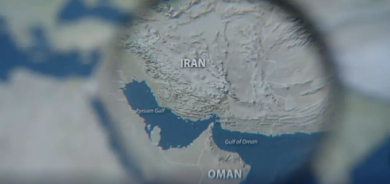
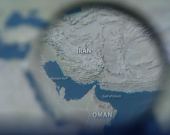
The spokesman further highlighted the strategic importance of the Strait of Hormuz, describing the vital waterway as an important source of pressure and a potential instrument for advancing Iran’s foreign-policy objectives.
He said Iran’s armed forces had gained significant collective experience during the latest conflict and the previous 12-day war, which he said would contribute to strengthening the country’s military and national capabilities.
Akrami-Nia also claimed that the conflicts had exposed what Tehran considers the aggressive nature of US and Israeli policies and had increased international awareness of Iran’s position.
According to the Iranian military spokesman, Iran’s military strategy has undergone a significant shift during recent conflicts, moving from a primarily defensive posture towards a more offensive approach.
However, he stressed that this did not necessarily mean Iran intended to launch pre-emptive attacks. Instead, he said, any future attack against Iran would trigger an immediate, forceful and significantly broader response.