Ebola Outbreak in DR Congo Expands at Record Speed
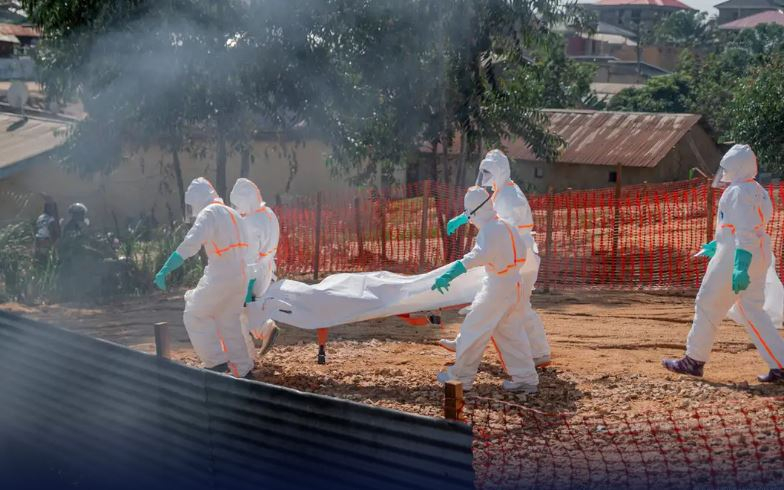
The Ebola outbreak in the Democratic Republic of Congo is spreading at an unprecedented rate, covering an area larger than France and raising fears that the deadly virus could reach more neighboring countries, a senior United Nations official has warned.
Julien Harneis, the UN's senior Ebola coordinator, said the epidemic is “growing exponentially” and that the spread of the virus is currently outpacing international efforts to contain it. More than 5,000 infections and 2,500 deaths have been reported, making it the deadliest Ebola outbreak in the country's history.
Harneis said that around half of the reported deaths occurred within just 20 days, highlighting the rapid acceleration of the outbreak. He called for an urgent increase in funding, medical supplies and assistance to remote communities, particularly in areas where armed groups are active and health infrastructure remains weak.
The outbreak was first detected in northeastern Ituri province earlier this year before spreading to five other provinces and neighboring Uganda. Congolese authorities officially declared the outbreak on May 15, although health experts believe the virus may have been circulating before then.
The current outbreak is caused by the Bundibugyo strain of Ebola, for which there is currently no approved vaccine or treatment. Ebola is transmitted through direct contact with infected bodily fluids and can cause fever, fatigue, muscle pain, vomiting, diarrhea and, in severe cases, internal or external bleeding.
In an effort to slow the outbreak, the World Health Organization said it would immediately provide 70,000 doses of Merck's Ervebo vaccine to the Democratic Republic of Congo. Although the vaccine is approved for the Zaire strain of Ebola, early animal studies suggest it could offer some protection against the Bundibugyo strain.
Of the 70,000 doses, 20,000 will be used in a Phase 3 clinical trial to assess the vaccine's effectiveness against the current strain, while 50,000 doses will be given to frontline and healthcare workers.