Ghalibaf in Baghdad as Iran Warns Gulf States of Wider Regional Escalation
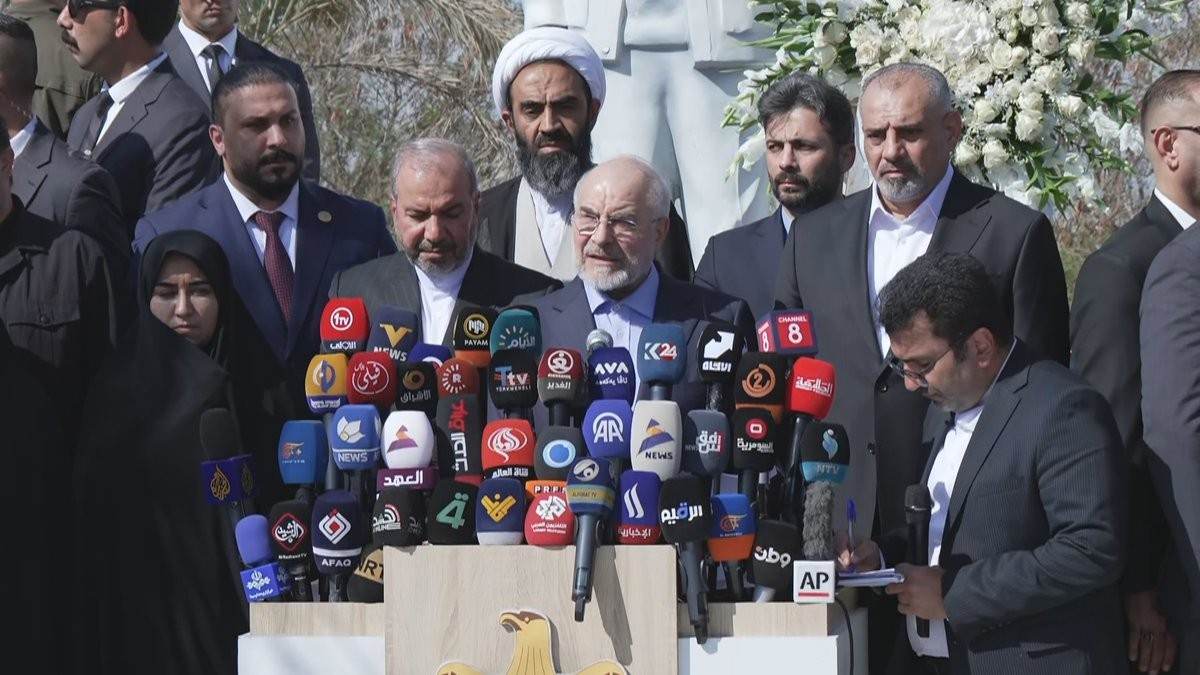
Iranian Parliament Speaker Mohammad Bagher Ghalibaf arrived in Baghdad on Wednesday, beginning his visit to Iraq with a press conference at the memorial site where Iranian Quds Force commander Qassem Soleimani and Iraqi militia commander Abu Mahdi al-Muhandis were killed in a US strike in January 2020.
Speaking at the symbolic location, Ghalibaf emphasized Iran’s continued regional influence and praised Soleimani and al-Muhandis for their role in the fight against the Islamic State. He questioned whether their deaths had weakened Iran-backed groups across the region.
“Did the killing of these two men stop the resistance front?” Ghalibaf asked, arguing that Iran remains a major source of power in the region and that its adversaries would not achieve their objectives.
Ghalibaf said his visit would focus on strengthening cooperation between Tehran and Baghdad, as well as promoting greater coordination among countries across the region. He said he would meet senior Iraqi officials to discuss bilateral relations and regional developments.
His remarks came amid heightened tensions between Iran and the United States. Iranian Armed Forces Chief of Staff Ali Abdollahi separately warned Gulf countries against providing assistance or allowing US forces to use regional facilities for military operations against Iran.
Abdollahi said Tehran would consider such assistance participation in US military operations. His warning comes as Gulf states seek to avoid being drawn directly into the confrontation while continuing to host US troops and military facilities.
Meanwhile, Iran is reportedly considering expanding the potential scope of any future retaliation against the United States. The Financial Times, citing Iranian insiders, reported that Tehran has discussed possible attacks against US military assets in Europe, including facilities in Bulgaria and Cyprus.
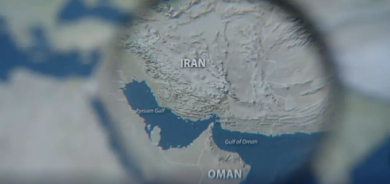
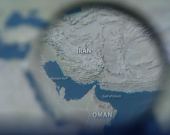
Iran has also reportedly considered targeting critical infrastructure, including undersea fiber-optic cables in the Strait of Hormuz. Such attacks could have significant consequences for regional telecommunications and international data connectivity.
Iranian officials have repeatedly warned that any renewed major US military campaign against Tehran could trigger retaliation against American interests and facilities beyond the Middle East. The reported discussions suggest that Tehran could seek to broaden the geographic scope of any response if fighting resumes.
The developments have created a complicated security dilemma for Gulf countries, which host significant US military assets but have strong incentives to prevent their territories from being used in attacks against Iran.