Qalibaf to Visit Baghdad as Iraq Faces Crucial Deadline on Armed Groups
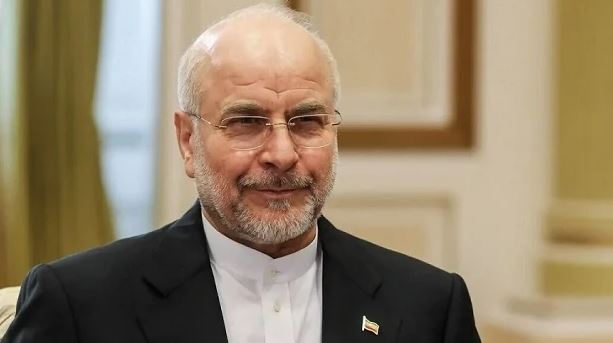
Iranian Parliament Speaker Mohammad Baqer Qalibaf is scheduled to arrive in Baghdad on Wednesday, leading a senior parliamentary delegation for talks expected to focus on regional developments, security cooperation and bilateral relations at a particularly sensitive moment for Iraq.
According to Iranian media reports, Qalibaf's visit on Aug. 19 comes as Baghdad intensifies efforts to bring all weapons under the exclusive authority of the state while navigating mounting regional tensions and the influence of Iran-aligned armed factions.
Qalibaf is expected to meet senior Iraqi officials and political leaders to discuss strengthening cooperation between Tehran and Baghdad. Iranian reports said the agenda will include regional security and stability, border security, counterterrorism, economic relations and the implementation of existing agreements between the two countries.
The visit is expected to draw particular attention because of Iraq's approaching Sept. 30 deadline for placing all weapons under state control. The policy has become one of the country's most difficult political and security challenges, with several powerful armed factions expressing resistance or attaching conditions to any disarmament process.
The issue gained further prominence following the recent visit to Baghdad by Esmail Qaani, commander of Iran's Islamic Revolutionary Guard Corps Quds Force. Qaani reportedly held meetings with leaders of the Coordination Framework and commanders of several armed groups, including Badr Organization leader Hadi al-Amiri.
According to information previously obtained by Kurdistan24, the discussions included the future of weapons held by armed factions outside the conventional state security structure, as well as broader regional and economic issues.
Baghdad has repeatedly stressed that no organization should possess weapons outside the authority of the state. Iraqi government spokesperson Haider al-Aboudi recently said that bringing armed groups under state control requires a "deep and comprehensive dialogue."
However, factions including Kata'ib Hezbollah, Harakat al-Nujaba and Kata'ib Sayyid al-Shuhada have either rejected disarmament or linked the issue to conditions, particularly the complete withdrawal of foreign forces from Iraq.
Against this backdrop, Qalibaf's visit could provide an important opportunity to clarify Tehran's position on Baghdad's efforts to consolidate control over weapons, although Iranian media reports have not indicated whether the issue of militia disarmament will be directly discussed.
The talks also come as Iraqi officials seek to prevent the country from becoming a battleground for wider regional conflicts. Baghdad has recently increased security and diplomatic engagement with neighboring countries amid concerns over attacks involving armed groups operating inside Iraq.
Economic cooperation is also expected to feature prominently in Qalibaf's meetings. Iraq and Iran maintain extensive trade and economic ties, but regional instability continues to affect transportation routes, energy cooperation and commercial activity.
Qalibaf last made an official visit to Baghdad in 2024. His return now comes under significantly different circumstances, with Iraq preparing for the planned completion of the US-led International Coalition's military mission by the end of September while simultaneously confronting the unresolved question of powerful armed factions operating alongside the country's official security institutions.
The convergence of these issues has placed Baghdad in a delicate position. The Iraqi government is seeking to strengthen state institutions and assert national sovereignty without triggering a confrontation with politically influential armed groups, many of which maintain close ties with Tehran.
As the Sept. 30 deadline approaches, Qalibaf's meetings in Baghdad will be closely watched for signs of how Iran views Iraq's efforts to reshape its security landscape.
The outcome of the discussions could carry implications not only for the future of Iraq's armed factions but also for the broader balance between Iraqi sovereignty, Iranian influence and the changing role of US forces in the country.