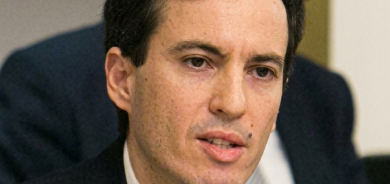
Four US States Take Meta to Court Over Alleged Harm to Children

A landmark trial seeking to hold Meta accountable for the alleged harm caused by its social media platforms to children began in California on Tuesday, with four US states accusing the technology giant of deliberately designing Facebook and Instagram to be addictive for young users.
California, Colorado, Kentucky and New Jersey are seeking approximately $200 billion in damages, along with major changes to Meta's platforms. The states argue that the company misled the public about the safety of its products and knowingly incorporated features designed to keep minors engaged for longer periods.
The lawsuit is part of a broader coalition of 29 US states that filed legal action against Meta in 2023, accusing the company of prioritizing profits over the safety and well-being of young users.
Lawyers representing the states also allege that Meta violated children's privacy laws by collecting personal data from users under the age of 13 without obtaining parental consent.
The trial is being held in a federal court in Oakland, California. Meta founder and chief executive Mark Zuckerberg is among the high-profile witnesses expected to testify. Former Meta employee Arturo Bejar, who has become a prominent critic of the company's approach to child safety, is also expected to appear despite Meta's attempts to prevent his testimony.
According to court documents, state lawyers plan to question Bejar for several hours about Meta's internal safety practices and whether the company publicly misrepresented what it knew about the potential risks its platforms posed to young people.
An eight-member advisory jury will hear the case, although the final ruling will be made by Judge Yvonne Gonzalez Rogers.
Kentucky Attorney General Russell Coleman described the case as one of the most significant consumer protection lawsuits in US history.
The states argue that Meta was aware of evidence suggesting that its products could negatively affect young users but failed to adequately address the risks.
Meta has strongly rejected the allegations, saying it has invested heavily in developing protections for teenagers and children on its platforms.
The company said it was prepared to present evidence in court demonstrating its efforts to improve online safety and protect younger users.
The trial is expected to last between six and eight weeks, with a verdict anticipated by October. The outcome could have far-reaching consequences for Meta and the wider technology industry, potentially reshaping how social media companies design and regulate platforms used by children and teenagers.