Iraq Plans New Oil Export Routes as August Shipments Average 2 Million Barrels Per Day
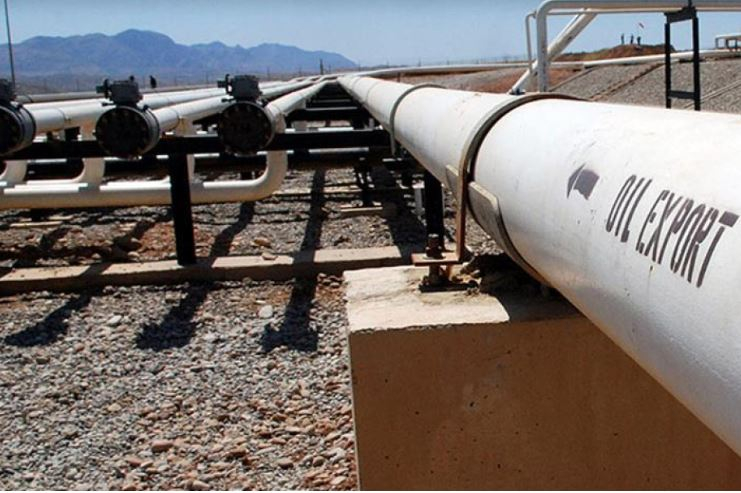
Iraq is moving to expand and diversify its oil export network, with average crude exports reaching approximately 2 million barrels per day since the beginning of August, according to Oil Minister Bassem Mohammed Khudair.
Speaking at a joint press conference on Friday with Basra Governor Asaad al-Eidani, Khudair said the government is pursuing new pipeline projects designed to reduce Iraq's dependence on a limited number of export routes and strengthen access to international markets.
Among the proposed projects is a pipeline linking Basra with Fishkhabur and eventually the Turkish Mediterranean port of Ceyhan. According to the Ministry of Oil, a consortium comprising US energy company Chevron and Qatar's UCC is expected to implement the project.
A second proposed pipeline would link Haditha in western Iraq with the Syrian Mediterranean port of Baniyas, creating another potential export corridor.
The ministry did not announce a timetable for the construction or completion of either project, meaning both remain planned infrastructure projects rather than operational export systems.
Khudair said Iraq exported an average of around 2 million barrels of crude per day during the first half of August, while total exports in July reached nearly 49 million barrels. Four tankers are currently involved in transporting Iraqi crude, according to the ministry.
Oil remains the backbone of Iraq's economy, with Khudair stating that more than 85 percent of the country's general budget depends on revenues generated from crude exports.
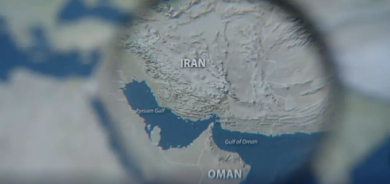
The government's strategy is to develop multiple export outlets, allowing pipelines through Ceyhan and Baniyas to operate alongside Iraq's existing maritime export routes through the Gulf.
The minister also highlighted continuing investment in the country's oil and gas sector. At the Al-Fayhaa oil field, a central gas-processing facility with a capacity of 130 million cubic feet per day has recently begun operations, while the field is producing approximately 100,000 barrels of oil per day.
United Energy Group is investing in the Al-Fayhaa and Siba oil fields as well as the Fao exploration block, where preliminary indicators have confirmed the presence of oil and gas, according to the Ministry of Oil.
Khudair added that the government's oil investment policy is intended to go beyond production and exports. Under government directives, energy projects are also expected to support infrastructure development and create employment opportunities, particularly for young people in oil-producing communities.