Kurdistan Region President Nechirvan Barzani Warns Iraq Faces Isolation Unless Weapons Come Under State Control
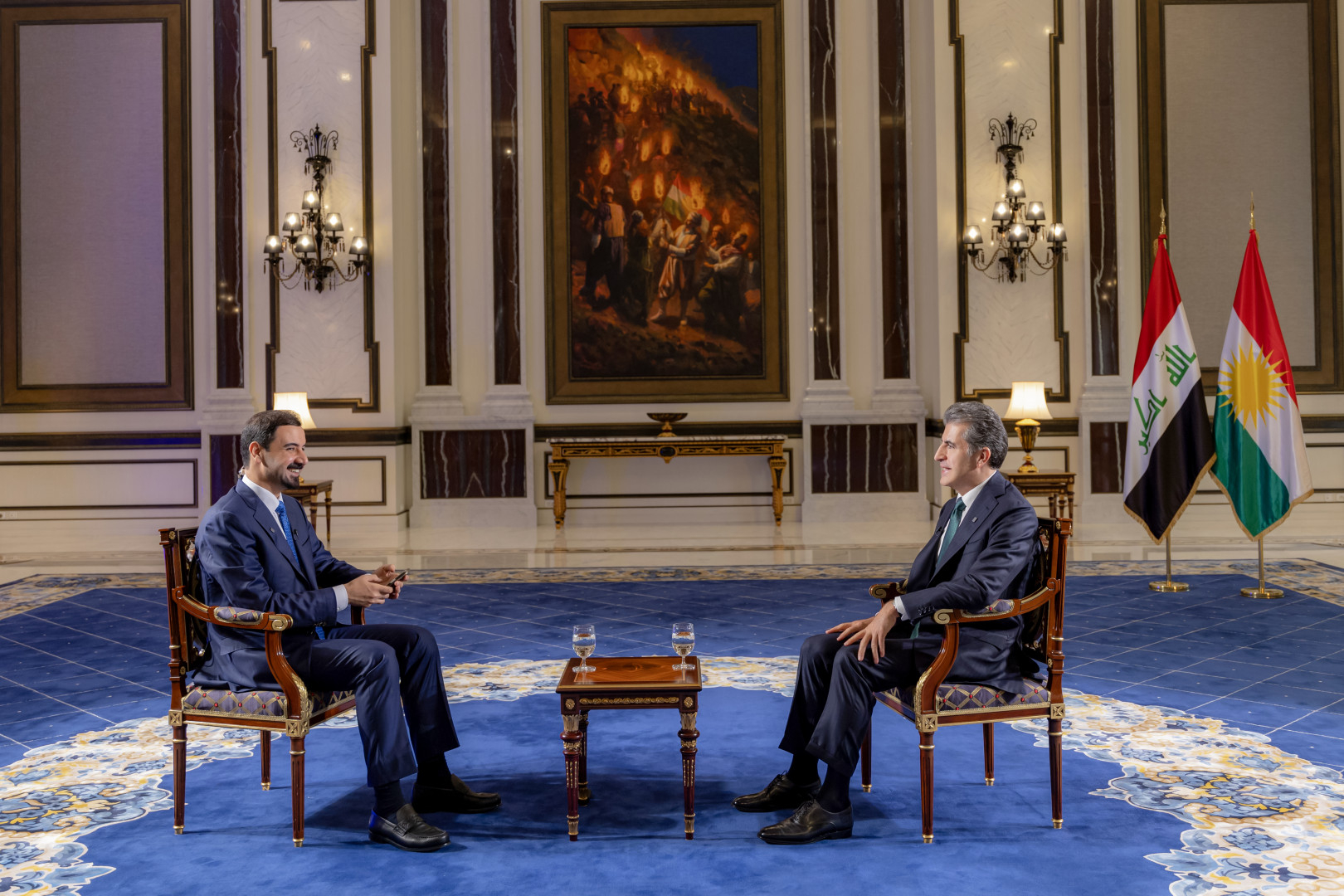
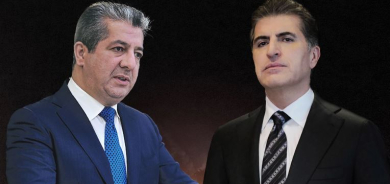
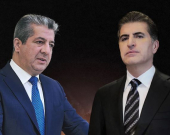
Kurdistan Region President Nechirvan Barzani has warned that Iraq could face regional and international isolation unless armed groups place their weapons under the authority of the state, arguing that the issue is a fundamental Iraqi national interest rather than merely a demand from the United States.
In a wide-ranging interview with Al-Sharqiya TV’s Muwajaha program, Barzani said Iraq must resolve the issue of armed factions and ensure that all weapons are controlled by the federal government and the commander-in-chief of the armed forces.
“The sooner we can resolve the issue of the factions, the better it will be for all,” Barzani said, stressing that Iraq’s political forces should support the integration of armed groups into the country’s official security framework.
Barzani warned that failure to address the issue could discourage foreign investment and damage Iraq’s relations with neighboring and Arab countries.
“Iraq will face both international and regional isolation” if it fails to resolve the issue, he said, adding that Gulf countries, including the United Arab Emirates, Saudi Arabia and Qatar, are interested in investing in Iraq but require greater security and stability.
The Kurdistan Region president also said he had discussed the matter with Iranian officials during a recent visit to Tehran and claimed they had expressed readiness to cooperate with the Iraqi government on the issue of bringing weapons under state control.
Addressing the possibility of confrontation with groups that refuse to surrender their weapons, Barzani said dialogue should come first but confirmed that Iraq’s political forces had expressed support for Prime Minister Ali Al-Zaidi in addressing the issue.
“No one wishes for confrontation,” he said, calling instead for serious dialogue based on Iraq’s national interests.
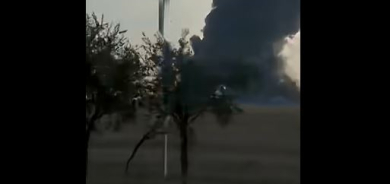
Barzani also addressed repeated drone and missile attacks on the Kurdistan Region, saying the perpetrators were known and that most attacks had originated from areas inside Iraq, including Mosul, Diyala, Salahaddin, Kirkuk and Tal Afar.
He argued that such attacks had brought no benefit to Iraq and had instead damaged the Kurdistan Region’s economy and infrastructure.
“The question should be asked of the resistance themselves so we can know who they truly serve,” Barzani said. “What is crucial to me is whether these actions benefit Iraq. The answer is no.”
Beyond the issue of armed factions, Barzani discussed relations between Erbil and Baghdad, arguing that Iraq must resolve a long-standing contradiction over whether the country genuinely operates as a federal state or remains highly centralized.
He said the Kurdistan Region’s principal demand was the implementation of Iraq’s Constitution and called for serious dialogue to resolve outstanding disputes between Erbil and Baghdad.
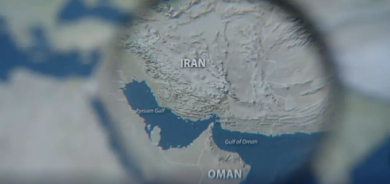
Barzani also warned that Iraq’s economic situation had become increasingly dangerous, particularly because of the country’s dependence on oil exports and the closure of the Strait of Hormuz. He said Iraq requires billions of dollars monthly to cover public-sector salaries and called on all political forces to support the government in navigating the crisis.
On regional affairs, Barzani reiterated support for a stable and unified Syria, saying the Kurdistan Region was prepared to play a constructive role in encouraging dialogue between Damascus and Syrian Kurdish forces. He also stressed that the rights of Kurds and other communities should be protected within Syria’s constitutional framework.
Concluding his remarks on Iraq’s future, Barzani called on all political forces to support the government and work together, emphasizing that the Kurdistan Region and the rest of Iraq share the same destiny.
“If a misfortune happens to this boat, it does not mean that the Kurdistan Region will be saved while Baghdad sinks, or vice versa,” he said. “Our destiny is shared.”