Syrian Court Sentences Bashar Assad to Death in Absentia Over War Crimes
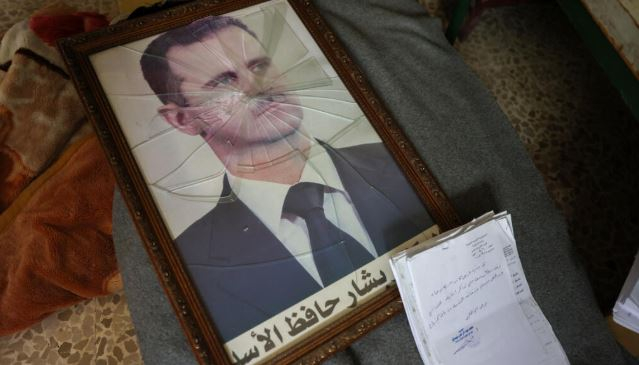
A Syrian court has sentenced former President Bashar Assad to death in absentia, more than a year and a half after his government was overthrown and he fled the country for Russia.
The ruling, delivered Tuesday by Damascus' Fourth Criminal Court and broadcast on Syrian state television, marks one of the most significant judicial actions against the former Syrian leadership since the fall of the Assad dynasty in December 2024.
Assad was convicted of multiple crimes, including premeditated and intentional murder, the killing of children, torture, arbitrary detention and crimes against humanity.
The presiding judge said Assad bore ultimate responsibility for the alleged crimes because of his role in directing state institutions and making decisions that enabled their commission.
“The contribution of the criminal Bashar Assad to the crimes was that of the person ultimately responsible for decision-making, mobilizing state institutions to commit them,” the judge said.
Assad was overthrown in December 2024 after Islamist rebel forces captured Damascus, bringing an end to more than five decades of rule by the Assad family.
The former president, along with members of his family, subsequently fled to Russia, where Moscow granted him asylum. Syria's new authorities have since launched legal proceedings against senior figures of the former government over alleged abuses and crimes committed during the country's long civil war.
The Syrian government has repeatedly called on Moscow to extradite Assad so that he can face trial in Syria.
Assad's brother, Maher Assad, along with several other senior figures from the former government, was also sentenced to death in absentia. They were convicted of premeditated murder and torture resulting in death.
Bashar Assad, born in 1965, became president in 2000 following the death of his father, Hafez Assad, who had ruled Syria for nearly three decades. Bashar subsequently maintained the family's authoritarian system, preserving the political dominance of the Alawite minority in predominantly Sunni Syria and the country's strategic alliance with Iran.