Iran Keeps Door Open to Peace Talks as U.S. Dialogue Remains Frozen
Iran says diplomatic efforts to revive talks with the United States are continuing through intermediaries, but formal negotiations remain suspended as Tehran demands that Washington address what it describes as violations of previous commitments.
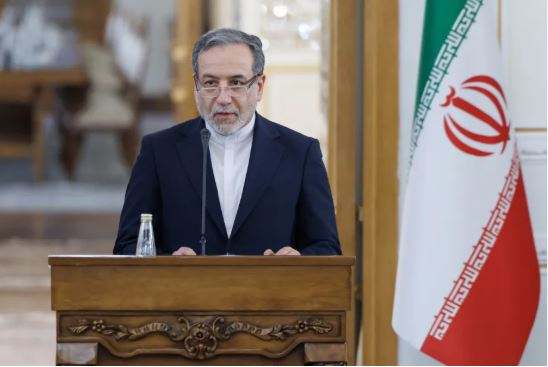
Iranian Foreign Minister Abbas Araghchi said Sunday that Tehran and Washington are not currently engaged in direct negotiations, while emphasizing that messages are still being exchanged through several intermediary countries seeking to create conditions for renewed dialogue.
“At this moment, we are not engaged in any negotiations with the United States,” Araghchi said, according to Iran's state-run IRNA news agency. He stressed that indirect exchanges should not be described as formal negotiations.
The comments nevertheless suggest that Iran has not closed the door to a diplomatic solution. Tehran's position is that direct talks can resume if the United States addresses what Iran considers breaches of the Islamabad Memorandum of Understanding and provides compensation for those violations.
Araghchi's remarks indicate that the current process is best understood as a preliminary effort to rebuild the conditions for diplomacy, rather than a complete breakdown in relations.
Several countries are reportedly working as intermediaries to facilitate communication between Tehran and Washington. Although Araghchi did not identify them, he said their efforts were aimed at creating the necessary conditions for a possible return to direct negotiations.
Iran's insistence on resolving outstanding commitments before returning to formal talks reflects Tehran's effort to establish guarantees that future agreements will be respected. At the same time, its acceptance of intermediary contacts leaves room for diplomacy and a potential political settlement.
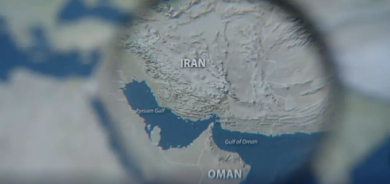
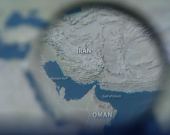
The diplomatic efforts are taking place alongside discussions between Iran and Oman over maritime routes through the Strait of Hormuz.
Araghchi said technical work on alternative routes was nearing completion following positive discussions with Oman. However, he cautioned that completing the technical arrangements would not automatically lead to the reopening of the strategic waterway.
Iran has also conveyed additional conditions to the United States through intermediaries, he said, linking any broader decision on the Strait to unresolved political issues.
The parallel discussions underscore the importance of diplomacy in preventing further escalation. While the technical talks with Oman focus on maritime arrangements, the wider diplomatic channel with Washington remains centered on political conditions for de-escalation and a possible return to negotiations.
Araghchi's statements point to a fragile but still active diplomatic process. Iran is rejecting the description of current contacts as negotiations, yet it is continuing to communicate through intermediaries and has not ruled out renewed direct talks.
The immediate challenge for mediators will be to narrow the gap between Tehran's demand for acknowledgment and compensation for alleged violations and Washington's position on the conditions for renewed engagement.
For now, the peace process remains at an early and uncertain stage. But the continuation of indirect communication suggests that diplomatic channels have not been abandoned and that a return to formal negotiations remains possible if the outstanding disputes can be addressed.