Iraq Completes Rehabilitation of Basra–Kurdistan Oil Pipeline as Baghdad Seeks Alternative Export Routes
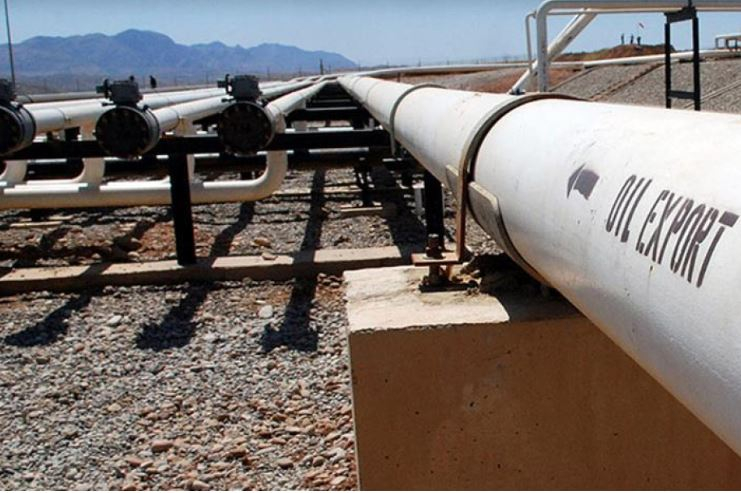
Iraq has completed rehabilitation and technical inspection work on a key oil pipeline linking the country’s southern fields in Basra with the Peshkhabur pipeline in the Kurdistan Region, paving the way for the resumption of crude shipments through Iraq’s northern export system, Oil Minister Basim Mohammed Khudair said on Sunday.
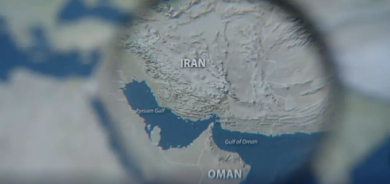
The development comes as Baghdad seeks to diversify its oil export routes and reduce the impact of disruptions affecting maritime shipments through the Strait of Hormuz.
Khudair told the state-owned Al-Sabah newspaper that the Strategic Pipeline extending from Basra through Haditha in Anbar province to the Kurdistan Region is expected to resume operations soon.
He said the move is part of a broader package of measures aimed at restoring the northern export system, expanding export capacity and increasing the flow of Iraqi crude toward Turkey’s Ceyhan port.
Both the rehabilitated pipeline network and the Kurdistan Region’s pipeline system connect with the major Iraq-Turkey Pipeline (ITP), providing Baghdad with an alternative route for transporting crude to international markets.
Khudair said an agreement between Iraq and Turkey has brought together Turkey’s state-owned BOTAS and the Iraqi Oil Ministry’s Oil Projects Company to carry out technical inspections and rehabilitation work on the northern export infrastructure.
The work is expected to enable the system to transport between 500,000 and 750,000 barrels per day (bpd) toward Ceyhan once sufficient volumes of crude become available.
Baghdad and Ankara earlier this month signed an interim agreement renewing their 1973 oil export framework after the previous agreement expired in late July.
Khudair previously said Iraq had developed an ambitious plan to transport part of Basra’s crude through the northern pipeline system, with the longer-term objective of raising exports through the route to more than 700,000 bpd.
The Iraqi government has also turned to trucking as a temporary measure to accelerate the movement of crude toward Ceyhan.
Khudair said the government has signed contracts with Erbil-based KAR Group to transport 200,000 bpd, along with another contract covering an additional 100,000 bpd.
He described the arrangements as rapid solutions designed to increase the flow of crude toward Ceyhan while the northern pipeline infrastructure is being restored.
However, the minister cautioned that actual export volumes will depend on the availability of sufficient crude supplies.
He pointed in particular to declining oil production in the Kurdistan Region amid the wider regional conflict, as well as the stability of navigation through the Strait of Hormuz.
The Kurdistan Region has been affected by the regional conflict that intensified in late February, with repeated attacks attributed to Iran and Iran-aligned armed groups in Iraq.
Kurdistan Region Prime Minister Masrour Barzani said in an interview with Al Jazeera on Saturday that the Region had been attacked around 1,000 times.
According to tracking by Rudaw, the attacks have killed 32 people and injured around 150 others.
Several strikes have also targeted international oil companies operating in the Kurdistan Region, forcing some producers to reduce or suspend operations.
The disruption has further complicated Baghdad’s efforts to secure sufficient crude volumes for its northern export system.
Khudair said Iraq’s return to national crude production of around 4 million bpd will depend on the restoration of stable navigation through the Strait of Hormuz and the availability of adequate storage capacity.
The disruption in the strategic waterway has severely affected Iraq’s oil industry, given the country’s heavy dependence on southern exports transported through the Gulf.
Before the crisis, Iraqi crude production stood at approximately 4.14 million bpd, but it fell to around 1.49 million bpd at the height of the blockade.
The situation has highlighted Iraq’s vulnerability to disruptions along its traditional southern export routes and increased the strategic importance of alternative pipelines leading north toward Turkey.
The rehabilitation of the Basra–Haditha–Kurdistan pipeline system represents a significant step in Iraq’s efforts to strengthen its northern oil export infrastructure.
If sufficient production is restored, the system could allow Baghdad to move hundreds of thousands of barrels of crude per day through the Kurdistan Region and onward to Ceyhan, providing Iraq with an additional outlet to international markets.
For Baghdad, expanding northern export capacity is increasingly viewed as a strategic necessity as regional instability continues to threaten traditional maritime routes and the country seeks greater flexibility in managing its oil exports.