Kurdistan Region’s Strategic Role Crucial to Iraq’s Development Road, Expert Says
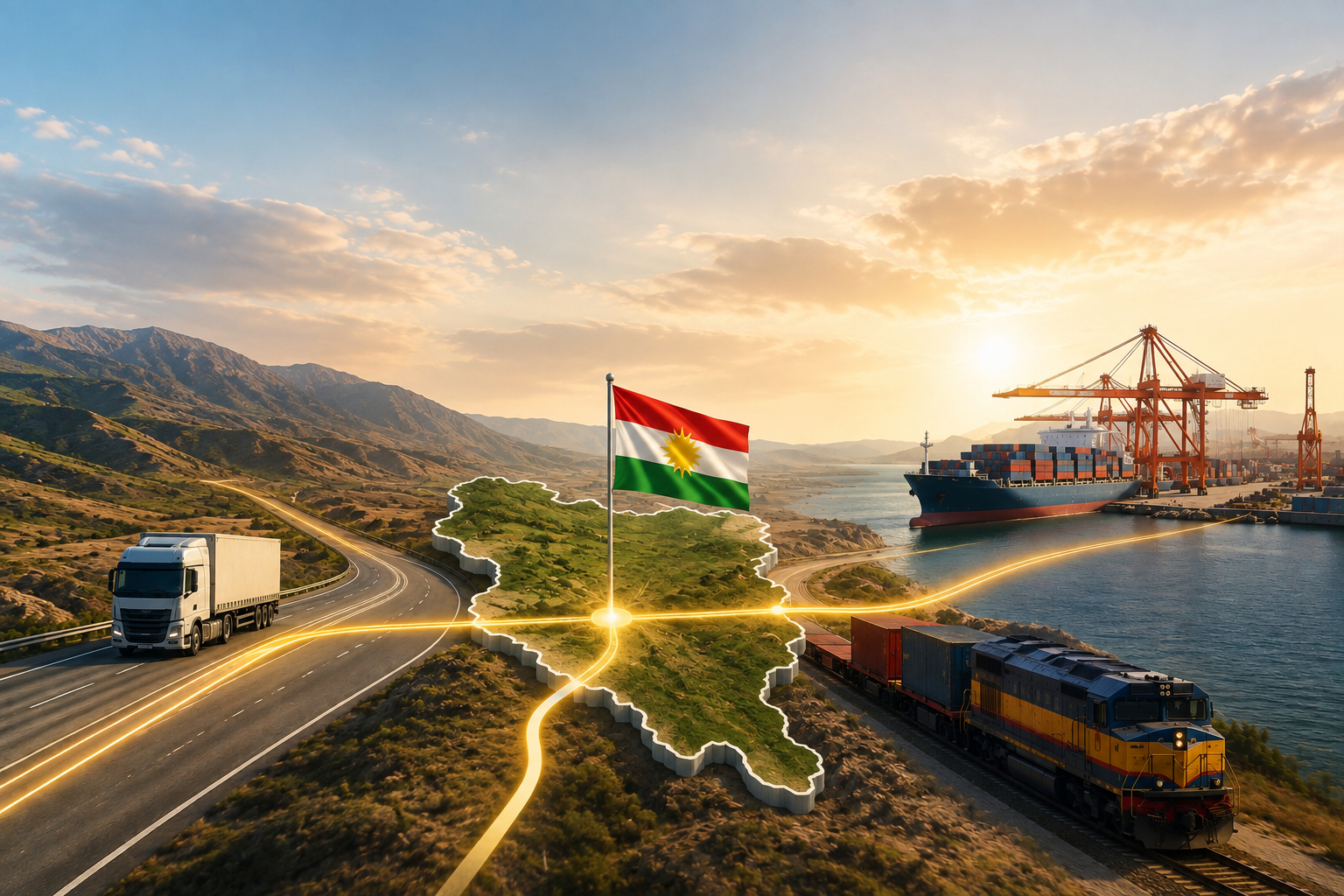
The Kurdistan Region’s strategic geographic position could play a crucial role in the success of Iraq’s ambitious Development Road project, which aims to transform the country into a major trade and transit hub connecting Asia with Turkey and European markets, according to oil and economic expert Dr. Govand Sherwani.
Sherwani told BasNews that the Kurdistan Region serves as a strategic bridge between East and West and provides Iraq with an important gateway to Turkey and Europe. He argued that major economic and trade projects in Iraq cannot fully achieve their potential without taking advantage of the Region’s geographic position and relative stability.
The Development Road, estimated to cost around $17 billion, is designed to establish a major transport and trade corridor linking Iraq’s Grand Faw Port in the south with the Iraqi-Turkish border through a network of roads, railways and related infrastructure.
According to Sherwani, the project, together with potential oil transportation routes linking Iraq with Syria, Turkey and Jordan, could generate billions of dollars in annual revenues if successfully implemented.
“The Iraqi government must assume its responsibility by creating an appropriate environment for implementing these projects and ensuring a secure environment for the companies and investors responsible for carrying them out,” Sherwani said.
Security concerns could threaten major projects
Sherwani warned that the position of Iraq’s armed groups toward major strategic infrastructure projects remains uncertain, pointing out that some groups have previously opposed projects that could serve Iraq’s broader economic interests.
“If these armed groups stand against these strategic projects, Iraq will suffer significant losses and will be deprived of billions of dollars in potential revenues,” he said.
He called on Baghdad to take serious measures to address the issue of unauthorized weapons and ensure that all armed groups operate under state authority.
Sherwani also urged Iraq to seek greater Western and international support while engaging with countries that have influence over or support armed groups, particularly groups linked to Iran.
Beyond security concerns, Sherwani questioned whether the current design of the Development Road would distribute its economic benefits fairly across Iraq.
The proposed route is expected to pass through areas along the Euphrates before reaching Baghdad and then continue north along the Tigris toward the Iraqi-Turkish border at Fishkhabur.
Sherwani said greater consultation with Iraq’s provinces and their provincial councils should have taken place during the project’s design process, which was carried out by an Italian company under the supervision of the federal government.
He argued that provincial councils possess engineering and technical expertise that could have contributed valuable recommendations to the project.
He also said proposals previously submitted by the Kurdistan Regional Government and Iraq’s Ministry of Reconstruction and Housing should have been given greater consideration.
Kirkuk and Duhok could expand economic and tourism benefits
Sherwani suggested that modifying the route to include provinces such as Kirkuk and Duhok could significantly increase the project’s economic and tourism benefits.
“If the route passed through provinces such as Kirkuk and Duhok, it would have major tourism benefits,” he said, giving the example of visitors from Basra being able to travel more easily to Duhok.
Improved connectivity, he argued, could help transform the Kurdistan Region into a major tourism and commercial destination for Iraqis as well as visitors from Gulf countries and other parts of the world.
Sherwani said the Development Road’s significance extends beyond Iraq’s domestic economy, arguing that it could eventually become a major land bridge between Asia and Europe.
Under the proposed system, goods arriving from major Asian markets such as China and India could reach Iraq through the Grand Faw Port and then travel north along the Development Road to Fishkhabur before continuing through Turkey toward European markets.
“This would turn Iraq into a major transit hub between Asia and Europe,” Sherwani said.
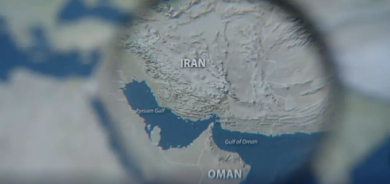
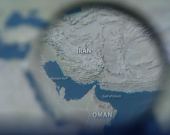
He added that such a corridor could reduce the relative importance of some existing maritime trade routes, including routes through the Strait of Hormuz and the Red Sea, by offering an alternative overland connection between Asian and European markets.
Sherwani warned that delays could allow competing regional initiatives to gain a strategic advantage.
He urged the Iraqi government to finalize its plans and address the political, security and technical concerns surrounding the project as quickly as possible.
“The urgency comes from the existence of competing projects in the region, particularly the project being planned by Saudi Arabia,” he said.
“Iraq needs to move quickly so that other regional projects do not dominate,” Sherwani added.
He expressed hope that the Development Road would ultimately generate economic opportunities for communities across Iraq, including the Kurdistan Region, while strengthening Iraq’s position as a regional center for trade, transportation, tourism and investment.