Kurdistan’s Oil Production Plunges After Security Crisis, But Higher Global Prices Cushion Economic Impact
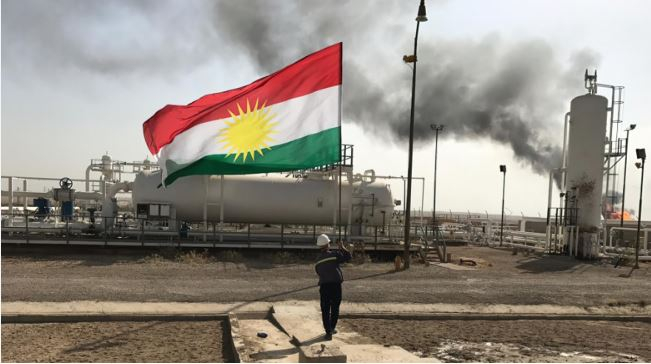
Kurdistan Region's oil sector experienced one of its sharpest production declines in recent years during the second quarter of 2026, as prolonged security disruptions linked to the Iran war forced major oil fields in Duhok province to scale back operations.
According to the latest quarterly report by Canadian oil producer ShaMaran Petroleum, production at the Atrush and Sarsang oil fields collapsed after precautionary shutdowns remained in place from early March until the end of June. Average combined production fell to just 1,900 barrels per day (bpd) during the quarter, compared with 35,900 bpd in the previous quarter and 63,800 bpd during the same period in 2025.
The Atrush field produced an average of 1,200 bpd, while the Sarsang field averaged 700 bpd, representing dramatic declines from their pre-conflict production levels. Overall crude sales from the two fields totaled only 153,000 barrels during the quarter, a fraction of the 3.2 million barrels sold in the first quarter.
Despite the severe production losses, Kurdistan's oil sector received some financial relief from rising international crude prices. Regional instability and disruptions to global energy supplies pushed oil prices above $82 per barrel, enabling ShaMaran to achieve an average selling price of $84.23 per barrel—more than double the price recorded at the end of 2025.
The stronger oil prices helped offset part of the production losses. Although the company's second-quarter revenue declined to $17.76 million, gross profit from oil sales increased slightly due to higher market prices and lower operating costs during the shutdown period.
Meanwhile, oil exports from the Kurdistan Region continue through temporary arrangements involving the Kurdistan Regional Government (KRG), Iraq's federal government, and international oil companies. Under the current mechanism, Iraq's State Organization for Marketing of Oil (SOMO) markets the crude, with payments reportedly continuing without delays since exports resumed in September 2025.
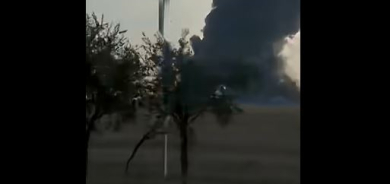
Production briefly resumed at the end of June, with the Atrush field exceeding 40,000 bpd in early July. However, operations were suspended again on July 20 following renewed security concerns. Field operators continue to monitor the situation while assessing damage caused by earlier drone attacks on the Sarsang field.
The interim export arrangements have been extended until September 30, while Baghdad, Erbil, and international consultants work toward finalizing production-sharing contract reconciliations. Separately, Iraq and Turkey have extended their main pipeline agreement for another year, ensuring continued access to export infrastructure through July 2027.