Iraq Boosts Power Imports from Kurdistan Region as Electricity Demand Continues to Outpace Supply
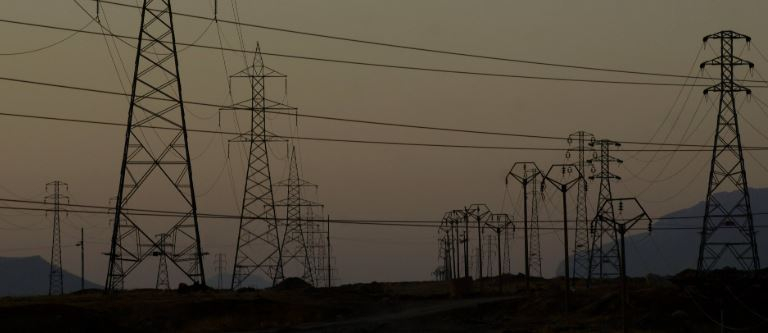
Iraq is currently importing up to 1,400 megawatts of electricity per day from the Kurdistan Region as part of broader efforts to address the country's persistent electricity shortages, according to the Iraqi Ministry of Electricity.
Ministry spokesperson Ahmed Turki said the federal government is purchasing around 1,200 megawatts from the Kurdistan Region on a regular basis, with imports rising to 1,400 megawatts during periods of higher demand.
In a significant development, Iraq has also begun receiving 100 million standard cubic feet (scf) of natural gas per day from the Kurdistan Region's Khor Mor gas field, operated by UAE-based Dana Gas and Crescent Petroleum. The gas is being supplied to the Taza thermal power plant in Kirkuk to support electricity generation and strengthen the national grid.
The announcement follows confirmation from Dana Gas and Crescent Petroleum that natural gas deliveries to Iraq's Ministry of Electricity have officially commenced, marking a new phase of energy cooperation between Baghdad and Erbil.
Despite improvements, Iraq continues to face a substantial electricity deficit. Turki said current electricity production has reached approximately 24,600 megawatts, while the country requires between 55,000 and 60,000 megawatts to provide uninterrupted 24-hour electricity nationwide.
One of the ministry's major challenges remains widespread electricity theft. According to Turki, 55 to 60 percent of electricity consumers use illegal connections that bypass official meters, resulting in the loss of more than 10,000 megawatts of electricity. Authorities have launched a nationwide campaign to eliminate illegal connections and expand the installation of smart electricity meters.
In addition to supplies from the Kurdistan Region, Iraq is importing 600 megawatts of electricity from Turkey and 100 megawatts from Jordan. The government also expects to begin receiving an additional 500 megawatts from Kuwait once the Iraqi section of the Gulf electricity interconnection project is completed in September.
On the fuel side, Iraq is importing 25 million cubic meters of natural gas, including 20 million cubic meters for the central region and 5 million cubic meters for the southern provinces, helping increase electricity generation and extend daily power availability to approximately 10 to 12 hours.