IRGC Claims It Struck Two Oil Tankers in Strait of Hormuz Amid Escalating Maritime Tensions
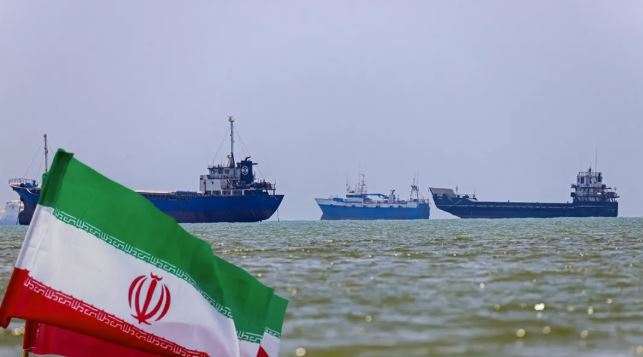
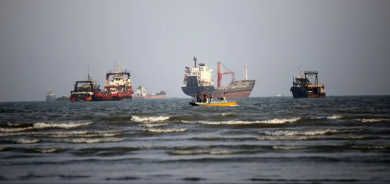
Iran's Islamic Revolutionary Guard Corps (IRGC) announced on Friday that it had struck two oil tankers attempting to transit the strategic Strait of Hormuz under what it described as the "air escort" of the United States military, marking the latest escalation in tensions across one of the world's most critical maritime chokepoints.
In an official statement, the IRGC said the two "non-compliant oil tankers" were targeted and forced to halt their transit. It further claimed that four additional tankers reversed course and returned to their previous positions after the incident.
According to the IRGC, the vessels attempted to pass through the Strait using what it called an "undeclared route," referring to a U.S.-supported alternative shipping corridor rather than the navigation channel designated by Iranian authorities along the country's coastline.
The Iranian military did not identify the vessels involved, disclose their national flags, or provide details regarding casualties or the extent of any damage. Neither the United States nor the operators of the reported vessels issued immediate comments.
The announcement follows a similar claim made by the IRGC on Thursday, when it said two oil tankers attempting to transit the Strait had turned back after one of them reportedly caught fire.
The Strait of Hormuz, connecting the Persian Gulf with the Gulf of Oman and the Arabian Sea, is among the world's most strategically significant waterways. A substantial proportion of global crude oil and liquefied natural gas exports pass through the narrow passage each day, making any disruption a matter of international concern.
According to the IRGC, since the outbreak of the Iran conflict on February 28, Tehran has exercised effective control over navigation through the Strait, requiring commercial vessels to obtain authorization and pay transit fees before entering the waterway. Iranian authorities have also opposed the use of a U.S.-backed alternative shipping route outside the maritime corridor designated by Tehran.
The latest confrontation highlights the continuing security risks facing commercial shipping in the Strait of Hormuz, where military operations, competing navigation claims, and restrictions on maritime traffic have repeatedly disrupted international trade since the conflict began.
The claims made by the IRGC could not be independently verified, and no confirmation had been issued by U.S. officials or independent maritime authorities at the time of reporting.