Baghdad Reaffirms Commitment to Kurdistan Oil Exports as Key to Salary Payments
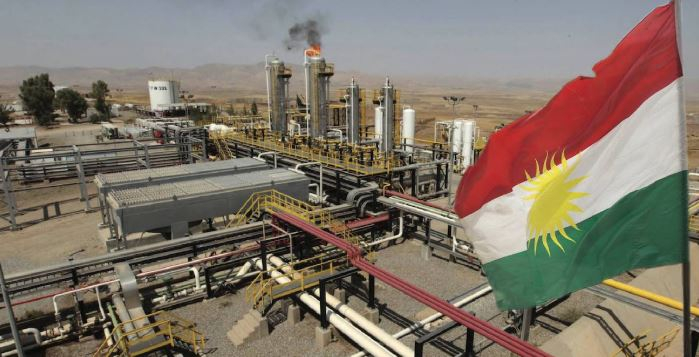
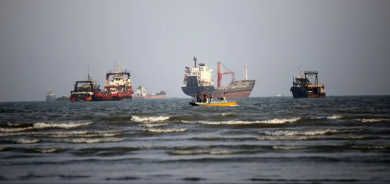
Iraq's federal government on Wednesday reaffirmed its commitment to ensuring the continued export of oil from the Kurdistan Region, describing uninterrupted crude exports as essential to guaranteeing the payment of salaries for the Region's public sector employees.
Speaking at a weekly press conference, government spokesperson Haider al-Aboudi said the federal government remains committed to maintaining oil exports from the Kurdistan Region, emphasizing that the issue is directly linked to the continued disbursement of public employee salaries.
Responding to a question from Kurdistan24 correspondent Shivan Jabari, al-Aboudi stressed that Baghdad considers the continuation of Kurdish oil exports a priority and reiterated that the federal government bears constitutional responsibility for protecting oil fields across Iraq, including those in the Kurdistan Region.
The spokesperson also announced that Prime Minister Ali Falih al-Zaidi will travel to Tehran on Thursday at the official invitation of the Iranian president, leading a high-level ministerial delegation. According to al-Aboudi, the visit will focus on strengthening bilateral cooperation, with natural gas expected to be among the key topics of discussion.
He said Iraq continues to pursue a balanced foreign policy based on its national and economic interests while honoring its international commitments.
On energy policy, al-Aboudi revealed that agreements reached during Prime Minister al-Zaidi's recent visit to Washington included plans to establish alternative oil export corridors. However, he noted that the projects will require additional agreements, contractual arrangements, and could take up to a year before becoming operational.
Looking ahead, al-Aboudi said water security will be a central issue during the Iraqi prime minister's planned visit to Turkey later this month.
Addressing domestic affairs, the spokesperson reaffirmed the government's commitment to combating corruption without exception, regardless of political affiliation or influence. He also said that payments owed to Iraqi farmers remain a government priority, despite delays caused by recent regional developments.
On security matters, al-Aboudi reiterated that restricting weapons to state control is a sovereign Iraqi issue that "will not be discussed in any capital outside Baghdad."
He further announced the imminent launch of Iraq's Development Fund, which will include significant participation from the Central Bank of Iraq, adding that several countries have already expressed interest in contributing to the initiative.
Commenting on regional developments, al-Aboudi said Iraq continues to advocate diplomatic solutions to regional tensions while expanding international economic partnerships. He highlighted agreements signed during al-Zaidi's visit to Washington covering energy, development, and economic cooperation as evidence of Iraq's growing international engagement.
He added that Iraq has regained its regional standing, remains outside competing regional blocs, and continues to strengthen its foreign relations based on economic cooperation and mutual respect for sovereignty.
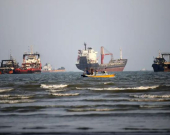
Regarding energy security, al-Aboudi acknowledged that uncertainty surrounding the Strait of Hormuz remains a concern. He said Iraq has been working with American companies to develop alternative oil export routes aimed at reducing the risk of disruptions to the country's energy exports.