Middle East Tensions Escalate as Iran Closes Strait of Hormuz Following U.S. Strikes
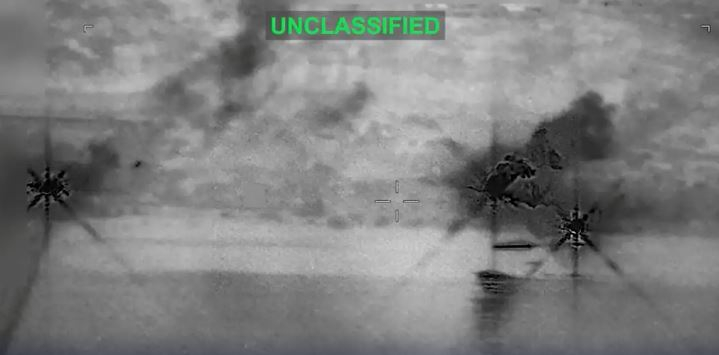
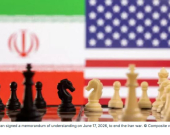
Tensions across the Middle East have intensified dramatically after Iran announced the closure of the Strait of Hormuz following a confrontation with a commercial vessel, while the United States launched a third round of military strikes against Iranian targets this week.
According to the Iranian navy, warning shots were fired at a vessel attempting to transit the Strait of Hormuz via what Tehran described as an "unapproved route." Iranian officials stated that the ship was subsequently struck, prompting the navy to declare the strategic waterway closed until further notice.
Meanwhile, the United Kingdom reported that the crew of a tanker that caught fire off the coast of Oman had abandoned the vessel. Rescue operations are underway, but one crew member, identified as an Indian national, remains missing.
In response to Iran's actions, the United States carried out a fresh wave of airstrikes against Iranian military targets, marking the third round of U.S. attacks this week. Washington said the strikes were intended to deter further threats to regional security and international shipping.
Iran has also expanded its military response, launching missiles and drones at U.S. military sites in Jordan and several Gulf countries. Regional defense systems were activated as authorities assessed the extent of the attacks and potential damage.
The Strait of Hormuz, through which a significant share of the world's oil and liquefied natural gas exports passes, remains one of the world's most strategically important maritime chokepoints. The latest developments have raised concerns over regional stability, global energy supplies, and the possibility of a broader military confrontation.